
Kelley Sullivan
LCSWColorado · 19 yrs exp
Licensed Clinical Social Worker - Relationships and Blended Family Issues
Stress, Anxiety · Relationship · Trauma and abuse · Grief · +12 more
Read profileTherapist listings are provided by BetterHelp. We will earn a commission at no additional cost to you if you use our links to purchase.
This page groups profiles of therapists who list intimacy issues along with blended family and stepfamily work. Use listed focus areas, approaches, credentials, languages and listed location to compare profiles and browse individual therapists who offer online therapy.
Colorado · 19 yrs exp
Licensed Clinical Social Worker - Relationships and Blended Family Issues
Stress, Anxiety · Relationship · Trauma and abuse · Grief · +12 more
Read profile
Alabama · 22 yrs exp
Licensed Professional Counselor - blended household concerns
Stress, Anxiety · Trauma and abuse · Anger · Self esteem · +16 more
Read profile
South Carolina · 16 yrs exp
LMFT for relationships and blended family issues
Stress, Anxiety · Relationship · Family · Parenting · +14 more
Read profile
Florida · 20 yrs exp
Florida LMHC - Addiction and Family Concerns
Stress, Anxiety · Addictions · Relationship · Self esteem · +16 more
Read profile
Florida · 23 yrs exp
Licensed clinical social worker - LGBT and intimacy issues
LGBT · Intimacy-related issues
Read profile
New York · 24 yrs exp
LCSW - Stress and Relationship Concerns
Stress, Anxiety · Relationship · Anger · Self esteem · +12 more
Read profile
Mississippi · 16 yrs exp
LPC - Relationships and Family
Stress, Anxiety · Relationship · Family · Parenting · +6 more
Read profile
Kansas · 12 yrs exp
LCMFT - Relationships and Family Concerns
Stress, Anxiety · Relationship · Intimacy-related issues · Depression · +13 more
Read profile
Kentucky · 18 yrs exp
Licensed therapist - Relationship and family concerns
LGBT · Relationship · Family · Self esteem · +14 more
Read profile
Michigan · 5 yrs exp
Licensed Professional Counselor - Family and Stress
Stress, Anxiety · Relationship · Family · Self esteem · +12 more
Read profile
Arizona · 6 yrs exp
Licensed Professional Counselor - Relationship and Family concerns
Stress, Anxiety · Relationship · Family · Self esteem · +11 more
Read profile
Hawaii · 7 yrs exp
Licensed Marriage and Family Therapist - Family and Blended households
Stress, Anxiety · Addictions · Relationship · Family · +11 more
Read profile
Illinois · 20 yrs exp
Licensed Clinical Professional Counselor - Depression and Anxiety
Stress, Anxiety · LGBT · Anger · Self esteem · +12 more
Read profile
Florida · 26 yrs exp
LMHC - Mood and relationship concerns
Relationship · Grief · Self esteem · Depression · +13 more
Read profile
Florida · 17 yrs exp
LMHC - Relationships and Addictions
Stress, Anxiety · Addictions · Relationship · Family · +14 more
Read profile
Florida · 14 yrs exp
Licensed Mental Health Counselor - Relationships and Mood
Stress, Anxiety · Trauma and abuse · Bipolar · Depression · +16 more
Read profile
Texas · 13 yrs exp
LPC and LMFT - Relationships and Family Concerns
Stress, Anxiety · LGBT · Relationship · Trauma and abuse · +12 more
Read profile
Minnesota · 23 yrs exp
Licensed marriage and family therapist - Relationship and life transitions
Stress, Anxiety · Relationship · Trauma and abuse · Self esteem · +13 more
Read profile
Pennsylvania · 16 yrs exp
Licensed Professional Counselor - Relationships and Family
Stress, Anxiety · Relationship · Family · Trauma and abuse · +11 more
Read profile
Louisiana · 16 yrs exp
LCSW - Relationships and Mood concerns
Stress, Anxiety · Relationship · Trauma and abuse · Bipolar · +16 more
Read profile
Colorado · 11 yrs exp
Licensed Professional Counselor - Stress and Relationship concerns
Stress, Anxiety · LGBT · Trauma and abuse · Anger · +15 more
Read profile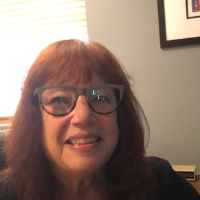
New York · 30 yrs exp
Licensed Clinical Social Worker - Relationships and Life Change
Stress, Anxiety · Relationship · Parenting · Self esteem · +11 more
Read profile
Michigan · 21 yrs exp
LMSW - Relationship and family concerns
Stress, Anxiety · Relationship · Family · Bipolar · +14 more
Read profile
Texas · 21 yrs exp
Licensed Clinical Social Worker - Anxiety and Relationships
Stress, Anxiety · Relationship · Trauma and abuse · Intimacy-related issues · +15 more
Read profile
Florida · 30 yrs exp
Dr. Jo Ann Lee - Psychologist, Blended household concerns
Stress, Anxiety · Grief · Anger · Depression · +15 more
Read profile
Wisconsin · 11 yrs exp
Licensed Professional Counselor - Blended family and relationship concerns
Stress, Anxiety · Family · Trauma and abuse · Depression · +12 more
Read profile
Florida · 10 yrs exp
Licensed Mental Health Counselor - Family concerns
Stress, Anxiety · Family · Parenting · Self esteem · +10 more
Read profile
Texas · 23 yrs exp
Licensed Professional Counselor - Relationships and Family
Stress, Anxiety · Relationship · Self esteem · Career · +11 more
Read profile
Pennsylvania · 6 yrs exp
Licensed Professional Counselor - Relationships and Stress
Stress, Anxiety · LGBT · Relationship · Self esteem · +15 more
Read profile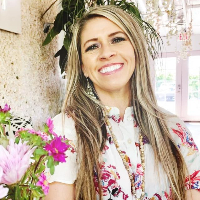
Arizona · 22 yrs exp
Licensed Professional Counselor - Anxiety and Relationship issues
Stress, Anxiety · Relationship · Family · Grief · +16 more
Read profileWhen you bring two households, histories and expectations together, intimacy can change in ways you did not expect. You may find that physical closeness feels complicated when a new partner's children are nearby, or that emotional vulnerability is harder because you worry about loyalty conflicts or being judged by ex-partners. For many people in stepfamilies the challenge is less about a single event and more about a series of small shifts - routines that do not match, differences in parenting values that affect how you relate to your partner, or unresolved grief about the family you once had. These dynamics can alter desire, closeness, and communication in ways that feel confusing or painful.
Intimacy concerns can also intersect with individual histories. If you have past relationship trauma, attachment worries, or stress from co-parenting negotiations, those experiences can influence how safe you feel letting someone new in. You might notice patterns in how you respond to conflict, needs for space versus connection, or avoidance of certain topics. Understanding these patterns does not require assigning blame. It can be useful to notice what feels different now compared with prior relationships and which practical household realities - such as schedules, sleeping arrangements, or childcare responsibilities - are getting in the way of closeness.
If you or another adult is in imminent danger, contact emergency services right away. Intimacy work in stepfamilies often requires careful attention to personal safety and boundaries, and urgent situations should be handled by local emergency responders.
The profiles on this page have been grouped because those therapists list both intimacy issues and blended family concerns among their focus areas. That linkage in a profile highlights an interest in the intersection of relationship and stepfamily dynamics, but it does not establish cause and effect. Intimacy changes may arise from many different factors - life stage, health, stress, relationship history - and blended family structure is one context where those challenges frequently come up for people.
When you look at profiles, you will see that therapists note a range of related topics. Some will name communication and sexual concerns, others will list transition and role clarity, and some will describe experience with loyalty conflicts or co-parenting stress. Treat the profile entries as signposts showing where each clinician directs attention rather than as proof of specific certificates or outcomes. If you want to understand how a therapist connects blended family issues to intimacy work, plan to ask them directly about typical goals and the kinds of conversations they have with individual clients.
When you read profiles you can prepare concrete questions that help you assess fit. Ask about the therapist's experience with the scenarios that matter to you - for example, supporting someone who is becoming a stepparent and navigating new boundaries, working through jealousy tied to an ex-partner, or addressing loss and longing after a blended transition. Inquire whether they see individuals online and how they structure an initial conversation about intimacy concerns in a stepfamily context.
It is useful to distinguish academic degrees from permission to practice. You can ask whether a therapist holds a degree such as a PhD, PsyD, MD, MA or MSW and then follow up by asking about their regulatory status. In the United States that typically means a professional license; in the United Kingdom and Australia it may mean registration or membership with relevant professional bodies. A degree alone does not confirm current permission to practice. You might also ask about therapeutic approaches by naming terms you have read in profiles - for example, therapists who list EMDR among their approaches, or those who reference cognitive-behavioral or psychodynamic work - and request an explanation of how those approaches are used with individual clients addressing intimacy in stepfamilies. Frame these questions to learn how they tailor work to your priorities rather than to verify credentials alone.
Before you begin online sessions, make sure you and the therapist have discussed practical and safety matters that affect care. Clarify whether they provide individual online therapy for people in your country or time zone, and ask about jurisdictional limits if you or the therapist are in different regions. Talk about how they handle emergency situations and what steps they recommend if someone is at immediate risk. Remember that online talk therapy is not legal or custody advice, so if you need guidance on parenting orders or court processes you should consult a solicitor or legal adviser in your jurisdiction.
Discuss session structure and how you will set goals. You can ask about typical session length, how progress is reviewed, and what kind of homework or between-session work they might suggest. It is also reasonable to request information on privacy protections, data handling and the platforms they use for video sessions, since technology choices affect how you connect. If you have specific cultural, faith or language needs, raise those up front so you can learn whether a therapist's approach aligns with your expectations. If you or another adult or child is unsafe at any time, contact emergency services immediately.
Comparing profiles is most useful when you make the comparison concrete. Look at focus areas to see whether a therapist mentions the specific intimacy-related concerns that matter to you - for instance, navigating physical intimacy after a transition, addressing sexual desire differences, or rebuilding trust after betrayal. Check languages spoken and consider whether you prefer therapy in a particular language. Use the listed location to understand the therapist's geographic context and how that may affect regulatory status or time zone coordination.
Examine the way profiles describe credentials. Academic degrees indicate training pathways but do not alone confirm current authorization to practice. Profiles that list a US license should show the licensing body, while those noting UK registration or Australian membership indicate different types of professional recognition. In your comparison questions, ask each therapist to explain what their degree and regulatory status mean in practice for you. Also consider stylistic cues in profiles - whether the clinician emphasizes short-term goals, reflective exploration, practical skills, or cultural sensitivity - and ask for examples of the kinds of conversations they have with individuals about intimacy in blended family life.
Finally, treat profile entries as starting points for dialogue. A listed topic does not establish that the therapist treats children, couples, or families. If you are seeking support for a particular situation, describe it succinctly and ask whether the therapist focuses on that kind of work with individuals online. Use initial inquiries to assess rapport and clarity about boundaries, goals and logistics. By comparing focus areas, approaches, languages and credentials, you can narrow your options and begin conversations that clarify fit for your unique stepfamily situation.
When urgent risk is present call local emergency services. For non-urgent exploration, browsing profiles and preparing a short list of questions will help you find someone whose experience and style match the intimacy concerns you want to address within your blended household.
Alabama
56 therapists
Alaska
9 therapists
Arizona
40 therapists
Arkansas
32 therapists
Australia
93 therapists
California
236 therapists
Colorado
75 therapists
Connecticut
33 therapists
Delaware
9 therapists
District of Columbia
12 therapists
Florida
405 therapists
Georgia
125 therapists
Hawaii
11 therapists
Idaho
28 therapists
Illinois
142 therapists
Indiana
56 therapists
Iowa
18 therapists
Kansas
34 therapists
Kentucky
53 therapists
Louisiana
84 therapists
Maine
11 therapists
Maryland
59 therapists
Massachusetts
42 therapists
Michigan
141 therapists
Minnesota
48 therapists
Mississippi
36 therapists
Missouri
99 therapists
Montana
27 therapists
Nebraska
22 therapists
Nevada
23 therapists
New Hampshire
11 therapists
New Jersey
69 therapists
New Mexico
19 therapists
New York
162 therapists
North Carolina
179 therapists
North Dakota
2 therapists
Ohio
101 therapists
Oklahoma
74 therapists
Oregon
25 therapists
Pennsylvania
113 therapists
Rhode Island
9 therapists
South Carolina
75 therapists
South Dakota
5 therapists
Tennessee
56 therapists
Texas
402 therapists
United Kingdom
718 therapists
Utah
26 therapists
Vermont
7 therapists
Virginia
76 therapists
Washington
46 therapists
West Virginia
14 therapists
Wisconsin
69 therapists
Wyoming
12 therapists