
Kory Wilson
LCMHCUtah · 11 yrs exp
LCMHC in Utah - Family and Mood concerns
Stress, Anxiety · Family · Self esteem · Depression · +5 more
Read profileTherapist listings are provided by BetterHelp. We will earn a commission at no additional cost to you if you use our links to purchase.
Browse profiles for therapists who list blended family and stepfamily concerns under the Utah listed location. These therapists see individuals online; review each profile and confirm a therapist's permission to work with you where you live before you begin.
Utah · 11 yrs exp
LCMHC in Utah - Family and Mood concerns
Stress, Anxiety · Family · Self esteem · Depression · +5 more
Read profile
Utah · 11 yrs exp
LCSW - Blended family and trauma-focused
Stress, Anxiety · Addictions · Relationship · Trauma and abuse · +16 more
Read profile
Utah · 11 yrs exp
LCSW - Anxiety and Family Concerns
Stress, Anxiety · Self esteem · Coping with life changes · Addictions · +4 more
Read profile
Utah · 18 yrs exp
LCSW - Anxiety and Depression
Stress, Anxiety · Self esteem · Depression
Read profile
Utah · 6 yrs exp
Licensed Clinical Social Worker - Blended family issues
Stress, Anxiety · Addictions · Relationship · Trauma and abuse · +12 more
Read profile
Utah · 35 yrs exp
LMHC LCMHC - Relationships and Family
Relationship · Family · Trauma and abuse · Intimacy-related issues · +16 more
Read profile
Utah · 11 yrs exp
LCSW - Trauma and Relationship Concerns
Stress, Anxiety · Relationship · Trauma and abuse · Self esteem · +13 more
Read profile
Utah · 20 yrs exp
LCSW - Relationships and blended family issues
Stress, Anxiety · Relationship · Grief · Depression · +12 more
Read profile
Utah · 23 yrs exp
Licensed clinical social worker - family and stress concerns
Stress, Anxiety · Trauma and abuse · Self esteem · Depression · +12 more
Read profile
Utah · 22 yrs exp
Licensed counselor - relationships and addictions
Addictions · Relationship · Trauma and abuse · Stress, Anxiety · +11 more
Read profile
Utah · 8 yrs exp
Licensed Clinical Mental Health Counselor - Relationships and life changes
Stress, Anxiety · Relationship · Trauma and abuse · Self esteem · +14 more
Read profile
Utah · 25 yrs exp
LCMHC - Blended family issues and addictions
Stress, Anxiety · Addictions · Relationship · Family · +10 more
Read profile
Utah · 13 yrs exp
LMHC counselor - Blended family issues, addictions
Stress, Anxiety · Addictions · Relationship · Family · +7 more
Read profile
Utah · 11 yrs exp
LPC and LCPC - Family and trauma concerns
Family · Trauma and abuse · Anger · Self esteem · +10 more
Read profile
Utah · 25 yrs exp
LMFT - Relationships and Family
Relationship · Family · Parenting · Anger · +14 more
Read profile
Utah · 5 yrs exp
LCSW - Stress and Blended family issues
Stress, Anxiety · Trauma and abuse · Parenting · Self esteem · +7 more
Read profile
Utah · 14 yrs exp
UT Psychologist - Blended family issues, Addiction
Stress, Anxiety · Addictions · Family · Depression · +10 more
Read profile
Utah · 21 yrs exp
Licensed counselor - blended family and trauma
Stress, Anxiety · Trauma and abuse · Parenting · Depression · +13 more
Read profile
Utah · 19 yrs exp
Dr. Matthew Reiser - Psychologist, Family and Relationship concerns
Stress, Anxiety · Relationship · Trauma and abuse · Self esteem · +14 more
Read profile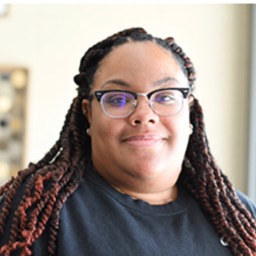
Utah · 5 yrs exp
Licensed Clinical Social Worker - mood and family concerns
Stress, Anxiety · Anger · Self esteem · Depression · +11 more
Read profile
Utah · 12 yrs exp
Licensed Clinical Social Worker - grief and life changes
Grief · Self esteem · Coping with life changes · Compassion fatigue · +14 more
Read profile
Utah · 21 yrs exp
LMFT - Relationships and Family Concerns
Stress, Anxiety · Relationship · Family · Trauma and abuse · +14 more
Read profile
Utah · 14 yrs exp
Licensed Clinical Mental Health Counselor - Stress and Addictions
Stress, Anxiety · Addictions · Trauma and abuse · Anger · +1 more
Read profile
Utah · 34 yrs exp
LMFT in Utah - Relationships and Trauma
Stress, Anxiety · Relationship · Trauma and abuse · Grief · +1 more
Read profile
Utah · 3 yrs exp
Licensed Clinical Social Worker - relationship and trauma support
Stress, Anxiety · Relationship · Trauma and abuse · Self esteem · +1 more
Read profile
Utah · 10 yrs exp
LMFT focused on family and trauma
Family · Trauma and abuse · Grief · Anger · +1 more
Read profileWhen you join or build a blended household you may be managing many intertwined challenges - becoming a stepparent, merging routines and rules, negotiating discipline, and navigating loyalty conflicts between your partner and their children. You might be dealing with grief over a lost family structure, frustration when household expectations do not match, or anxiety about your role and limits. You may also be co-parenting with an ex and trying to protect children from conflict while staying respectful of boundaries. Therapy can be a place to unpack emotions, explore practical strategies, and rehearse conversations, but it is important to remember that profiles here indicate therapists who list blended family issues among their focus areas. That listing is not proof of particular certification or a guarantee of a specific outcome.
Because the directory groups professionals by listed location, you will often find practitioners from different regulatory systems and educational backgrounds. These profiles are meant to help you compare what clinicians describe about their focus, approaches, languages, credentials, and experience so you can decide which clinicians to contact to learn more. If anyone in the home is at immediate risk of harm, call local emergency services right away.
Profiles under the Utah listed location group clinicians who have associated Utah with their profile. That grouping does not automatically mean an office is nearby or that the clinician holds a current license to practice in Utah. You should check an individual profile for explicit statements about jurisdiction and then ask the clinician directly to confirm they have permission to work with you where you live. Education titles such as PhD, PsyD, MD, MA, or MSW describe academic degrees. A degree is not the same as a professional license or registration and does not by itself indicate current permission to practice.
Licensing and registration systems vary by country. In the United States you will commonly see state-issued licenses such as LCSW, LMFT, LPC, or clinical psychology licensure; those abbreviations refer to permission to practice that is granted by a state board. In the United Kingdom clinicians may list registration or professional membership with national bodies rather than a state license. In Australia clinicians often reference national registration or membership organizations. Profiles can mention degrees, membership, or registration, but you should ask the clinician to clarify what those credentials mean where you live and whether they are authorized to provide online individual care to residents of Utah.
When you contact a clinician, coming prepared with specific questions helps you compare profiles beyond surface descriptions. Ask how they typically work with adults dealing with stepfamily transitions - for example, whether they focus on emotional processing, skill-building for parenting and communication, or practical problem solving. If a profile lists particular approaches, you can say "I saw you list EMDR, CBT, or narrative therapy among your approaches" and ask how those approaches might be used with stepfamily stress. Use language that ties to your needs: "What experience do you have helping someone become a stepparent?" "How do you help people manage loyalty conflicts between a partner and their children?" and "How have you worked with adults who are navigating co-parenting with an ex?"
It is also reasonable to ask about typical session structure, what kind of goals they help set, and how they measure progress in therapy. Keep in mind that a profile listing does not necessarily indicate that a clinician treats couples, families, or children; ask clearly whether they focus on individual therapy or other formats, and what to expect if you want help about family dynamics. These are comparison questions that help you match style and experience to the concerns you brought.
Before beginning online sessions, talk through practical details that matter to your comfort and safety. Confirm that the clinician is permitted to provide individual online care to residents of Utah and describe what will happen if an emergency arises during a session. Ask where the clinician is licensed or registered and how that affects their ability to work with you across state or national lines. Discuss how they handle privacy and data - for example, how session notes are stored, whether sessions may be recorded with your consent, and how communications outside sessions are managed. These topics are not legal guidance; online talk therapy is not a substitute for legal or custody advice, so raise any legal questions with an attorney if needed.
Also describe your technology set-up and ask about the clinician's expectations: what platform they use, what to do if a call drops, and whether there is an agreed plan for emergency contacts. If you or someone else is in danger, call local emergency services immediately. Asking these questions ahead of time helps you decide which clinicians' working methods feel workable and respectful of boundaries before you commit to a short conversation or an initial appointment.
When you compare profiles, focus on concrete signals that align with your priorities. Look for clinicians who explicitly mention stepfamily dynamics, co-parenting stress, or stepparent adjustment if those are central to your concerns, and note whether they describe the populations they see - many in this directory list that they work with individual adults online. Language capability matters if you prefer therapy in a language other than English; profiles that list languages let you match communication needs. For credentials, distinguish degrees from licenses or registrations and ask clinicians to explain what those credentials mean in terms of permission to practice with Utah residents.
Therapeutic style can be a deciding factor. Some clinicians describe themselves as more directive and skills-focused, helping you practice new ways to set boundaries or structure household routines. Others emphasize meaning-making and emotional processing, helping you explore grief and identity shifts as roles change. When contacting a clinician, you can ask, "Do you tend to use structured exercises, or do you take an exploratory approach?" and "How do you support someone navigating loyalty conflicts between adults and children?" These comparison conversations are the best way to determine whether a clinician's experience and approach match your needs. Finally, always confirm on the profile or in your initial contact that the clinician has permission to work with you where you live and that they provide individual online care for adults in stepfamilies.
Addictions
2076 therapists
ADHD
2102 therapists
Anger
2668 therapists
Control Issues
2510 therapists
Depression
3730 therapists
Grief
3110 therapists
Guilt and Shame
3288 therapists
Intimacy Issues
2215 therapists
Isolation / Loneliness
3180 therapists
Midlife Crisis
2475 therapists
Mood Disorders
2514 therapists
Panic Disorder and Panic Attacks
2344 therapists
Post-Traumatic Stress
2785 therapists
Self Esteem
3660 therapists
Stress & Anxiety
4085 therapists
Trauma and Abuse
3362 therapists
Abandonment
2527 therapists
Adoption
1552 therapists
Attachment Issues
2629 therapists
Caregiver Issues and Stress
2843 therapists
Codependency
1954 therapists
Commitment Issues
2334 therapists
Communication Problems
3685 therapists
Coping with Life Changes
3506 therapists
Divorce
3178 therapists
Family
3328 therapists
Family of Origin Issues
2222 therapists
Fatherhood Issues
1593 therapists
Forgiveness
3167 therapists
Foster Care
1552 therapists
Infidelity
2237 therapists
Jealousy
2061 therapists
Life Purpose
3380 therapists
Money and Financial Issues
1673 therapists
Parenting
2957 therapists
Relationship
3678 therapists
Self-Love
3311 therapists
Separation
3178 therapists
Workplace Issues
2922 therapists