
Mariellen Anderson
LICSWWashington · 20 yrs exp
Licensed clinical social worker - blended family issues
Stress, Anxiety · Addictions · LGBT · Trauma and abuse · +4 more
Read profileTherapist listings are provided by BetterHelp. We will earn a commission at no additional cost to you if you use our links to purchase.
Browse profiles of professionals listed in Washington who include blended family and stepfamily work among their focus areas. Compare focus areas, approaches, credentials, languages and therapy style to identify profiles you may wish to contact.
Washington · 20 yrs exp
Licensed clinical social worker - blended family issues
Stress, Anxiety · Addictions · LGBT · Trauma and abuse · +4 more
Read profile
Washington · 25 yrs exp
LMFT - Relationships and Family Concerns
Stress, Anxiety · Relationship · Family · Trauma and abuse · +16 more
Read profile
Washington · 9 yrs exp
Licensed Mental Health Counselor - Relationships and Trauma
LGBT · Relationship · Trauma and abuse · Intimacy-related issues · +8 more
Read profile
Washington · 25 yrs exp
Licensed Clinical Social Worker - Family and stress concerns
Stress, Anxiety · Addictions · Relationship · Family · +15 more
Read profile
Washington · 32 yrs exp
Licensed Mental Health Counselor - relationships and stress
Stress, Anxiety · Relationship · Trauma and abuse · Grief · +10 more
Read profile
Washington · 30 yrs exp
Dr. Robert Egbert, LMHC - Relationships and Family Issues
Stress, Anxiety · Relationship · Family · Intimacy-related issues · +14 more
Read profile
Washington · 9 yrs exp
LICSW - Stress and Relationship Concerns
Stress, Anxiety · LGBT · Trauma and abuse · Bipolar · +11 more
Read profile
Washington · 12 yrs exp
LMHC - Stress and Blended family issues
Stress, Anxiety · Addictions · LGBT · Trauma and abuse · +12 more
Read profile
Washington · 10 yrs exp
Licensed Clinical Social Worker - Relationship and Life Changes
Stress, Anxiety · LGBT · Relationship · Coping with life changes · +13 more
Read profile
Washington · 9 yrs exp
Licensed Mental Health Counselor - Blended family issues and mood
Stress, Anxiety · Self esteem · Bipolar · Depression · +16 more
Read profile
Washington · 17 yrs exp
LICSW - Stress and life changes
Stress, Anxiety · LGBT · Grief · Coping with life changes · +1 more
Read profile
Washington · 9 yrs exp
LMHC - Stress and relationship concerns
Stress, Anxiety · Addictions · Trauma and abuse · Self esteem · +11 more
Read profile
Washington · 9 yrs exp
LMHC - Stress and Relationship concerns
Stress, Anxiety · Addictions · Trauma and abuse · Anger · +11 more
Read profile
Washington · 8 yrs exp
Licensed Mental Health Counselor - relationship and family issues
Stress, Anxiety · Addictions · Trauma and abuse · Bipolar · +14 more
Read profile
Washington · 40 yrs exp
LICSW - Relationships and Family Concerns
Stress, Anxiety · Relationship · Family · Depression · +9 more
Read profile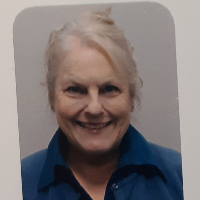
Washington · 27 yrs exp
Licensed Mental Health Counselor - Relationships and Family
Stress, Anxiety · Relationship · Family · Self esteem · +7 more
Read profile
Washington · 3 yrs exp
LMHC - Relationships and Blended family concerns
Stress, Anxiety · Relationship · Self esteem · Depression · +14 more
Read profile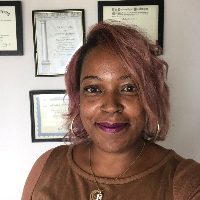
Washington · 20 yrs exp
LMFT - Relationships and Family Concerns
Stress, Anxiety · Relationship · Trauma and abuse · Self esteem · +13 more
Read profile
Washington · 15 yrs exp
LICSW - Relationships and Family Concerns
Stress, Anxiety · Relationship · Family · Grief · +10 more
Read profile
Washington · 18 yrs exp
LMHC - Stress and relationship concerns
Stress, Anxiety · Relationship · Trauma and abuse · Self esteem · +1 more
Read profile
Washington · 5 yrs exp
Licensed Marriage and Family Therapist - Family and Stress
Stress, Anxiety · Family · Parenting · Self esteem · +10 more
Read profile
Washington · 13 yrs exp
LPC LMHC - Anxiety and Relationship concerns
Stress, Anxiety · LGBT · Relationship · Parenting · +12 more
Read profile
Washington · 13 yrs exp
LICSW - Stress and Blended Family Concerns
Stress, Anxiety · Addictions · Family · Parenting · +9 more
Read profile
Washington · 14 yrs exp
LICSW - Family and Trauma focused
Stress, Anxiety · Family · Trauma and abuse · Self esteem · +8 more
Read profile
Washington · 17 yrs exp
Washington LMHC - Stress and Trauma
Stress, Anxiety · Trauma and abuse · Self esteem · Depression · +1 more
Read profile
Washington · 20 yrs exp
Licensed Mental Health Counselor - Addictions and Mood concerns
Addictions · Bipolar · Depression · Compassion fatigue · +15 more
Read profile
Washington · 40 yrs exp
LICSW - Relationship and family concerns
Relationship · Family · Trauma and abuse · Depression · +16 more
Read profile
Washington · 15 yrs exp
Licensed mental health counselor - Relationships and trauma
Stress, Anxiety · Addictions · Relationship · Trauma and abuse · +1 more
Read profile
Washington · 19 yrs exp
Licensed Marriage and Family Therapist - Relationships and Family
Relationship · Family · Trauma and abuse · Parenting · +11 more
Read profile
Washington · 15 yrs exp
LMHC - Stress and Blended family issues
Stress, Anxiety · Trauma and abuse · Parenting · Self esteem · +12 more
Read profileWhen you join a stepfamily or try to blend households, everyday routines and deeper loyalties can collide. You might be managing the practical work of merging schedules and house rules at the same time as navigating emotional issues such as loyalty conflicts, grief for lost roles, or tension with an ex. Children and adults often express confusion about boundaries, discipline, and who makes which decisions. These are the kinds of themes that frequently appear in profiles where professionals list blended family and stepfamily work among their focus areas.
It can help to separate pragmatic concerns from emotional ones when you are thinking about what to discuss with a professional. Pragmatic concerns include how chores and finances are handled, how parenting responsibilities are divided, and how transitions between homes are organized. Emotional concerns can include feeling excluded, fearing rejection from a partner or stepchild, or struggling with resentment toward an ex. When you read a profile, look for language that reflects an understanding of both kinds of concerns so you can decide whether a particular professional’s emphasis matches what you hope to work on.
If anyone in the household is at immediate risk of harm, including thoughts of hurting themselves or others, call local emergency services or your country’s crisis hotline right away. Profiles on this site are informational; they do not replace emergency support or immediate help from trained crisis personnel.
This page groups profiles under the listed location Washington, but a listed location is not proof of an office address, current licence, or an ability to offer services everywhere in that state. Some professionals in the directory are based in the United States, others are in the United Kingdom or Australia. In the US, look for explicit references to state licensure such as licensed clinical social worker or licensed psychologist, because licensing determines legal permission to practice in a given state. In the UK and Australia, profiles may reference professional registration, membership, or national regulation frameworks rather than US-style licences. A degree such as PhD, PsyD, MD, MA or MSW indicates formal education but does not by itself prove current permission to practice in any jurisdiction.
Before you decide to contact someone, check the individual profile for details and confirm directly with the professional whether they are allowed to provide care where you live. If a profile states that a professional offers individual online sessions, that indicates the format they list, but it does not mean they can legally practice with every person in every location. Profiles are a starting point for conversation; you should ask questions about geographic permission to practice and professional credentials when you reach out.
When you explore profiles, prepare specific questions that reveal a professional’s approach and relevant experience. Ask whether the therapist has worked with adults in stepfamily roles and what kinds of issues they typically address with those clients. A useful question is: Can you describe how you typically help an adult who is struggling with loyalty conflicts between a new partner and an ex? You can also ask: What do you focus on first when someone wants support with co-parenting transitions?
Profiles may list therapeutic approaches or names of interventions. Phrase questions so they invite explanation rather than assumption, for example: I see you list narrative therapy or EMDR among your approaches - how do you decide when to use those approaches with someone managing stepfamily stress? This phrasing acknowledges that a profile shows what a professional lists while requesting clarity about real-world application. You might also ask how long they have worked with people in similar situations and what kinds of outcomes clients have described anecdotally, remembering that profiles do not prove particular outcomes or specialties.
If a profile indicates the professional offers online individual talk therapy, there are practical and logistical topics to cover before beginning. Discuss how sessions will be scheduled and what technology platform will be used. Ask about expectations for session length, cancellation policies, and the methods for contacting the professional between sessions if that is something you want to arrange. Confirm whether they can provide services to people who live in your jurisdiction, and request clarification about the initial assessment process so you know how early sessions are likely to be structured.
It is important to understand boundaries around what online talk therapy can and cannot provide. Online individual therapy is not a substitute for legal advice about custody or for medical treatment decisions. If you need legal guidance, consult an attorney; if you have urgent medical questions, seek care from a medical professional. If you are unsure whether online care is appropriate for your needs, ask the professional how they typically determine fit and whether they will help identify additional resources or referrals. If someone is in immediate danger or poses a danger to others, contact emergency services or a crisis line in your area rather than relying on an online session to resolve the situation.
Comparing profiles effectively means looking for concrete signals that match your priorities. Read how each profile describes focus areas - therapists who list blended family topics may emphasize communication skills, boundary-setting, grief and role transition, or parenting coordination. Think about questions that matter to you and raise them when you reach out - for example: Do you often work with people in step-parent roles or with clients navigating co-parenting arrangements with an ex? Which of these areas do you prioritize first?
Language and cultural fit can affect comfort and rapport. If speaking your primary language or working with someone who understands your cultural background is important, look for that information in the profile and ask about experience with similar cultural contexts. When reviewing credentials, distinguish academic degrees from evidence of current permission to practise - a degree indicates training, while licences, registration, or membership indicate professional authorization that varies by country. Finally, use style descriptions and any writing in the profile to gauge whether a professional’s approach feels directive, exploratory, pragmatic, or reflective - and ask for examples of what a typical initial session might cover so you can envision how they work.
Profiles on this site are a tool to help you compare options in Washington. They are not endorsements or proof of specific outcomes. Use the information you find to form clear questions and to confirm directly with the professional whether their experience, location permissions, and online individual services match your needs. If you decide to make contact, a brief initial conversation can answer many practical questions and help you determine whether to proceed. If safety is a concern at any point, seek immediate local help through emergency services or crisis resources.
Addictions
2076 therapists
ADHD
2102 therapists
Anger
2668 therapists
Control Issues
2510 therapists
Depression
3730 therapists
Grief
3110 therapists
Guilt and Shame
3288 therapists
Intimacy Issues
2215 therapists
Isolation / Loneliness
3180 therapists
Midlife Crisis
2475 therapists
Mood Disorders
2514 therapists
Panic Disorder and Panic Attacks
2344 therapists
Post-Traumatic Stress
2785 therapists
Self Esteem
3660 therapists
Stress & Anxiety
4085 therapists
Trauma and Abuse
3362 therapists
Abandonment
2527 therapists
Adoption
1552 therapists
Attachment Issues
2629 therapists
Caregiver Issues and Stress
2843 therapists
Codependency
1954 therapists
Commitment Issues
2334 therapists
Communication Problems
3685 therapists
Coping with Life Changes
3506 therapists
Divorce
3178 therapists
Family
3328 therapists
Family of Origin Issues
2222 therapists
Fatherhood Issues
1593 therapists
Forgiveness
3167 therapists
Foster Care
1552 therapists
Infidelity
2237 therapists
Jealousy
2061 therapists
Life Purpose
3380 therapists
Money and Financial Issues
1673 therapists
Parenting
2957 therapists
Relationship
3678 therapists
Self-Love
3311 therapists
Separation
3178 therapists
Workplace Issues
2922 therapists