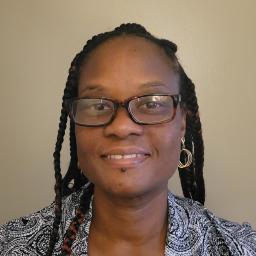
Shashana Carter
LCSW-C, LICSWMaryland · 6 yrs exp
Licensed social worker - Family and relationships
Stress, Anxiety · Addictions · Relationship · Family · +16 more
Read profileTherapist listings are provided by BetterHelp. We will earn a commission at no additional cost to you if you use our links to purchase.
Browse profiles for therapists listed in Maryland who note blended family and stepfamily concerns so you can compare focus areas, therapeutic approaches, credentials and languages. These clinicians offer individual online sessions; check each profile and confirm they are permitted to work with you where you live before reaching out.
Maryland · 6 yrs exp
Licensed social worker - Family and relationships
Stress, Anxiety · Addictions · Relationship · Family · +16 more
Read profile
Maryland · 25 yrs exp
LSCSW - Relationship and family issues
Relationship · Intimacy-related issues · Career · Coping with life changes · +7 more
Read profile
Maryland · 46 yrs exp
LCSW-C clinician - stress and family concerns
Stress, Anxiety · Grief · Depression · Coping with life changes · +15 more
Read profile
Maryland · 16 yrs exp
LCSW therapist - stress and relationships
Stress, Anxiety · Relationship · Trauma and abuse · Career · +2 more
Read profile
Maryland · 8 yrs exp
Licensed Clinical Professional Counselor - Anxiety and Grief
Stress, Anxiety · Trauma and abuse · Grief · Depression · +1 more
Read profile
Maryland · 11 yrs exp
Psychologist - Blended family issues and anxiety
Stress, Anxiety · Parenting · Self esteem · Depression · +7 more
Read profile
Maryland · 6 yrs exp
Licensed Clinical Professional Counselor - Relationship and Family
Stress, Anxiety · Trauma and abuse · Self esteem · Coping with life changes · +10 more
Read profile
Maryland · 6 yrs exp
LCSW-C - Relationships and Family
Relationship · Family · Grief · Coping with life changes · +6 more
Read profile
Maryland · 19 yrs exp
Licensed counselor - blended family and relationships
Stress, Anxiety · Self esteem · Depression · Coping with life changes · +13 more
Read profile
Maryland · 15 yrs exp
LCSW-C in Maryland - Relationships and Family
Stress, Anxiety · Relationship · Family · Parenting · +10 more
Read profile
Maryland · 13 yrs exp
LCPC in Maryland - Stress and Addictions
Stress, Anxiety · Addictions · Trauma and abuse · Self esteem · +1 more
Read profile
Maryland · 10 yrs exp
Licensed clinical social worker - Blended household concerns
Stress, Anxiety · LGBT · Relationship · Family · +13 more
Read profile
Maryland · 13 yrs exp
Licensed social worker - Relationships and trauma
Stress, Anxiety · Relationship · Trauma and abuse · Grief · +1 more
Read profile
Maryland · 10 yrs exp
Licensed Clinical Professional Counselor - Relationships and Family
Stress, Anxiety · Relationship · Family · Parenting · +10 more
Read profile
Maryland · 30 yrs exp
Dr. Bernadette Boozer-Madison, LMFT - Relationships and Family
Stress, Anxiety · Addictions · Relationship · Family · +12 more
Read profile
Maryland · 40 yrs exp
Licensed Therapist - Relationship and Family Concerns
Stress, Anxiety · Relationship · Family · Trauma and abuse · +8 more
Read profile
Maryland · 15 yrs exp
LCSW-C in Maryland - Family and stress concerns
Stress, Anxiety · Addictions · Trauma and abuse · Grief · +10 more
Read profile
Maryland · 8 yrs exp
Licensed counselor - Family and relationship concerns
Stress, Anxiety · Addictions · LGBT · Family · +14 more
Read profile
Maryland · 20 yrs exp
Licensed counselor - Blended family concerns
Stress, Anxiety · Addictions · Anger · Bipolar · +13 more
Read profile
Maryland · 21 yrs exp
Licensed Clinical Professional Counselor - Family and relationship concerns
Stress, Anxiety · Addictions · Trauma and abuse · Grief · +10 more
Read profile
Maryland · 22 yrs exp
Licensed Certified Social Worker - Family and Life Changes
Stress, Anxiety · Addictions · Trauma and abuse · Grief · +10 more
Read profile
Maryland · 27 yrs exp
Licensed Clinical Social Worker - Relationship and Family concerns
Stress, Anxiety · Relationship · Family · Anger · +5 more
Read profile
Maryland · 20 yrs exp
Licensed Clinical Social Worker - Relationships and Family
Stress, Anxiety · Trauma and abuse · Self esteem · Depression · +13 more
Read profile
Maryland · 12 yrs exp
LCPC counselor - Relationships and life changes
Stress, Anxiety · Relationship · Self esteem · Depression · +8 more
Read profile
Maryland · 13 yrs exp
Licensed social worker - Family and life issues
Family · Self esteem · Career · Depression · +8 more
Read profile
Maryland · 11 yrs exp
LCPC in Maryland - Relationships and Stress
Stress, Anxiety · Relationship · Trauma and abuse · Self esteem · +9 more
Read profile
Maryland · 10 yrs exp
Licensed Clinical Professional Counselor - trauma and life changes
Addictions · Trauma and abuse · Grief · Self esteem · +3 more
Read profile
Maryland · 6 yrs exp
Licensed social worker - Family and trauma
LGBT · Family · Trauma and abuse · Parenting · +1 more
Read profile
Maryland · 11 yrs exp
LCSW-C in Maryland - relationship and mood concerns
Stress, Anxiety · Relationship · Trauma and abuse · Self esteem · +1 more
Read profile
Maryland · 10 yrs exp
LCSW-C focused on blended household concerns and coping
Stress, Anxiety · Trauma and abuse · Grief · Bipolar · +16 more
Read profileIf you are part of a blended household you may be juggling multiple relationships and roles at once. You might be figuring out what it means to become a stepparent, negotiating household rules and routines, managing co-parenting with an ex, or addressing loyalty conflicts between partners and children. Many people also carry grief for what was lost, stress from shifting boundaries, and uncertainty about discipline, holidays and family identity. When you look at profiles you will often see therapists who list these concerns among their focus areas; that listing describes an area they work with rather than a guarantee about service scope or session format.
In individual therapy you can explore your personal reactions, develop communication strategies, and clarify the changes you want to make. Therapists who list blended family issues may offer approaches that help you think about relationships, emotional regulation and problem-solving. Use profiles to identify clinicians who describe experience or interest in stepfamily dynamics and then ask them directly about how they would support an individual in your situation. Keep in mind that a listed topic does not establish that a therapist treats children, couples, or families, so you should discuss the exact scope of care with the clinician.
This page groups profiles under the listed location Maryland, but that grouping does not by itself prove an in-person office or local licensure. Some clinicians live in one jurisdiction and provide online individual sessions to people in other places, while others may not be permitted to offer services across state or national lines. Always check the individual profile and confirm the clinician's permission to work with you where you live before you proceed. That confirmation matters for legal and ethical reasons and for any emergency planning you might need to discuss.
Profiles may show academic degrees such as PhD, PsyD, MD, MA or MSW. Those degrees describe completed education and are distinct from professional permission to practice. In the United States, clinicians commonly hold state licenses such as a licensed psychologist, licensed clinical social worker, or licensed professional counselor depending on their training and the state rules. In the United Kingdom and Australia you may see professional registration or membership with a recognized body rather than a US-style license. When you read a profile, note which academic degrees are listed and which licensing, registration or membership details are provided, and ask the clinician to clarify their current standing and the jurisdictions where they are allowed to practice.
When you find profiles that look like a fit, prepare concrete questions that help you understand how a clinician works with individuals from stepfamilies. Ask about specific experience rather than accepting general statements. For example, you can ask if they have worked with people who are new to stepparenting and what kinds of concerns typically come up. Ask how they help someone who is navigating loyalty conflicts with stepchildren or an ex-partner. You can also ask whether they have worked with people dealing with parenting plan stress, holiday scheduling, or boundary-setting between households.
Therapy approaches are options to discuss, not guarantees. Some profiles mention theoretical approaches or techniques. If a profile says a clinician uses cognitive-behavioral ideas, emotion-focused work, psychodynamic perspectives, or lists EMDR among their approaches, ask them to explain what that means in practice and how they adapt the approach to an individual's blended family concerns. Concrete questions include: How would you apply this approach to my situation? Have you worked with people who live in my state or country? How do you measure whether our work is helping me reach the goals I name? Keep the conversation focused on your needs as an individual and the kinds of changes you hope to make.
Online individual sessions have practical and legal considerations you should review before beginning. Start by confirming the clinician is permitted to provide individual care to someone in your listed location. Ask which technologies they use for sessions and whether they can describe common technical steps so you can be prepared. Discuss emergency planning - for example, how to reach local emergency services or crisis supports if you or someone else is in immediate danger. This directory cannot provide legal or custody advice, and online talk therapy is not a substitute for legal counsel; if you have legal questions about custody or jurisdiction, consult a qualified legal professional.
It is appropriate to ask about session structure - how the clinician typically arranges individual work, how long they expect to work together to address your goals, and what they suggest for follow-up or goal review. Ask how they handle notes and record keeping, and whether they can describe their approach to boundaries such as scheduling and cancellations. Because regulations vary across countries and states, make sure to agree explicitly about where the clinician is authorized to practice and how that affects the service they can offer to you online.
Comparing profiles is a practical way to narrow your search. Read bios for specific language about blended family topics - look for mentions of stepparenting transitions, co-parenting with an ex, loyalty conflicts, or blended household routines. Some profiles list the languages the clinician speaks; if language concordance matters to you, prioritize profiles that include the languages you prefer. Pay attention to whether the profile states academic degrees alongside any licensure, registration or professional memberships, and ask clinicians to explain what those mean in terms of permission to practice where you live.
Therapeutic style matters as much as technical approach. Some clinicians describe a direct, problem-solving orientation while others emphasize exploration of feelings or life story. When comparing profiles, consider which style matches your way of working - do you prefer practical skill-building, reflective exploration, or a mix? Concrete comparison questions you can use when you contact a clinician include: Which blended family issues do you see most often and how do you typically help an individual handle them? Which languages do you use in sessions? What degrees and professional permissions do you hold and in what jurisdictions? How would you adapt your stated approach to my specific goals? These questions will help you evaluate fit without assuming anything about availability or outcomes.
Remember that a listed topic on a profile does not establish that a clinician treats children, couples, or families. Profiles group clinicians by the listed location Maryland to help your search, but only the clinician can confirm the exact services they provide and whether they can work with you in your jurisdiction. If anyone is in immediate danger, contact local emergency services or your local crisis line right away. Use the profiles on this site to compare focus areas, approaches, credentials and languages, then reach out to clinicians to learn whether they are a match for the individual support you are seeking.
Addictions
2076 therapists
ADHD
2102 therapists
Anger
2668 therapists
Control Issues
2510 therapists
Depression
3730 therapists
Grief
3110 therapists
Guilt and Shame
3288 therapists
Intimacy Issues
2215 therapists
Isolation / Loneliness
3180 therapists
Midlife Crisis
2475 therapists
Mood Disorders
2514 therapists
Panic Disorder and Panic Attacks
2344 therapists
Post-Traumatic Stress
2785 therapists
Self Esteem
3660 therapists
Stress & Anxiety
4085 therapists
Trauma and Abuse
3362 therapists
Abandonment
2527 therapists
Adoption
1552 therapists
Attachment Issues
2629 therapists
Caregiver Issues and Stress
2843 therapists
Codependency
1954 therapists
Commitment Issues
2334 therapists
Communication Problems
3685 therapists
Coping with Life Changes
3506 therapists
Divorce
3178 therapists
Family
3328 therapists
Family of Origin Issues
2222 therapists
Fatherhood Issues
1593 therapists
Forgiveness
3167 therapists
Foster Care
1552 therapists
Infidelity
2237 therapists
Jealousy
2061 therapists
Life Purpose
3380 therapists
Money and Financial Issues
1673 therapists
Parenting
2957 therapists
Relationship
3678 therapists
Self-Love
3311 therapists
Separation
3178 therapists
Workplace Issues
2922 therapists