
Joy Nussen
LMFTOregon · 32 yrs exp
LMFT focused on blended family concerns and trauma
Stress, Anxiety · Relationship · Trauma and abuse · Grief · +9 more
Read profileTherapist listings are provided by BetterHelp. We will earn a commission at no additional cost to you if you use our links to purchase.
This page groups therapist profiles under the listed location Oregon so you can compare clinicians who note blended family or stepfamily work among their focus areas. Review profile details about approaches, degrees, languages, and experience, then click through to individual profiles to learn more.
Oregon · 32 yrs exp
LMFT focused on blended family concerns and trauma
Stress, Anxiety · Relationship · Trauma and abuse · Grief · +9 more
Read profile
Oregon · 17 yrs exp
LMFT - Stress and Trauma focus
Stress, Anxiety · Trauma and abuse · Grief · Intimacy-related issues · +1 more
Read profile
Oregon · 4 yrs exp
Oregon LPC - Blended family and relationships
Stress, Anxiety · Relationship · Trauma and abuse · Self esteem · +11 more
Read profile
Oregon · 16 yrs exp
LPC in Oregon - mood and family concerns
Addictions · Trauma and abuse · Parenting · Self esteem · +16 more
Read profile
Oregon · 21 yrs exp
LPC, LMHC - relationship and family concerns
Relationship · Family · Intimacy-related issues · Parenting · +7 more
Read profile
Oregon · 9 yrs exp
LCSW - anxiety and family concerns
Stress, Anxiety · Trauma and abuse · Grief · Self esteem · +10 more
Read profile
Oregon · 21 yrs exp
LMFT - Relationships and Family
Relationship · Family · Parenting · Stress, Anxiety · +2 more
Read profile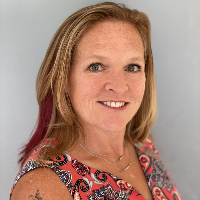
Oregon · 28 yrs exp
Licensed counselor - Relationship and family issues
Stress, Anxiety · Relationship · Family · Parenting · +11 more
Read profile
Oregon · 30 yrs exp
Oregon Psychologist - Blended family issues, relationships
Stress, Anxiety · LGBT · Relationship · Anger · +13 more
Read profile
Oregon · 20 yrs exp
LCSW - Relationships and life transitions
Stress, Anxiety · Relationship · Trauma and abuse · Grief · +1 more
Read profile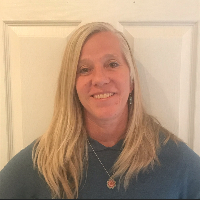
Oregon · 17 yrs exp
LCSW - Mood and family transition concerns
Stress, Anxiety · Grief · Bipolar · Depression · +12 more
Read profile
Oregon · 7 yrs exp
LCSW - Parenting and family concerns
Parenting · Self esteem · Stress, Anxiety · LGBT · +9 more
Read profile
Oregon · 26 yrs exp
LCSW - Relationships and Family Concerns
Stress, Anxiety · Relationship · Family · Parenting · +8 more
Read profile
Oregon · 30 yrs exp
Oregon LCSW - trauma and relationship concerns
Stress, Anxiety · Addictions · Trauma and abuse · Depression · +13 more
Read profile
Oregon · 12 yrs exp
Licensed Professional Counselor - Addiction and family concerns
Addictions · Relationship · Family · Trauma and abuse · +12 more
Read profile
Oregon · 6 yrs exp
LPC in Oregon - Stress and relationship concerns
Stress, Anxiety · Relationship · Trauma and abuse · Grief · +1 more
Read profile
Oregon · 4 yrs exp
Licensed Professional Counselor - Relationship and Trauma
Relationship · Trauma and abuse · Intimacy-related issues · Self esteem · +5 more
Read profile
Oregon · 24 yrs exp
LMFT in Oregon - Relationship and Blended Family Issues
Stress, Anxiety · Relationship · Grief · Intimacy-related issues · +5 more
Read profile
Oregon · 44 yrs exp
Oregon Psychologist - Relationships and Family Concerns
Stress, Anxiety · Relationship · Family · Trauma and abuse · +8 more
Read profile
Oregon · 21 yrs exp
LPC in Oregon - family and anxiety focus
Stress, Anxiety · Family · Depression · Coping with life changes · +7 more
Read profile
Oregon · 24 yrs exp
LCSW - Stress and blended family issues
Stress, Anxiety · Grief · Career · Coping with life changes · +6 more
Read profile
Oregon · 15 yrs exp
Licensed social worker - stress and life changes
Stress, Anxiety · LGBT · Trauma and abuse · Depression · +1 more
Read profile
Oregon · 4 yrs exp
Licensed Clinical Social Worker - Family and Parenting
Relationship · Family · Parenting · Coping with life changes
Read profile
Oregon · 10 yrs exp
Licensed Clinical Social Worker - Relationships and Mood
Stress, Anxiety · Relationship · Grief · Self esteem · +1 more
Read profile
Oregon · 12 yrs exp
Licensed Clinical Social Worker - trauma and stress
Stress, Anxiety · Trauma and abuse · Grief · Coping with life changes · +1 more
Read profileIf you are living in a blended household or preparing to become a stepparent, you likely face practical and emotional questions: merging routines and rules, negotiating co-parenting with an ex, navigating loyalty conflicts with stepchildren, and establishing boundaries with a new partner. Therapists who list blended family issues among their focus areas can be a resource for exploring those concerns in individual sessions. You should expect conversations about roles and expectations, communication strategies, and ways to manage stress and grief that often accompany family changes. These conversations can also touch on past patterns you bring from previous relationships and how they affect your current household dynamics.
Keep in mind that profiles on this page represent professionals grouped by the listed location Oregon. That does not by itself confirm an office presence, local licensure, or that a clinician can work with you in your jurisdiction. Check the individual profile and confirm that the clinician has permission to work with you where you live before beginning care.
Location listings are a way to narrow searches, but they do not guarantee a physical office in Oregon or ongoing permission to practice there. Some clinicians work across borders with rules that vary depending on your country and region. In the United States, look for state licensure credentials such as LCSW, LPC, LMFT, or psychologist registration, and remember that academic degrees like PhD, PsyD, MD, MA, or MSW describe education and are not, on their own, proof of current permission to practice. In the United Kingdom and Australia you may see references to professional registration or membership bodies rather than state licensure. When you review a profile, note the exact credential language used and ask the clinician directly about their authorization to work with people where you live.
Profiles will often name the clinician's degree alongside their professional credential or membership. Treat degrees as information about training background, and treat licensure or registration claims as the relevant authority for permitted practice. If a profile is unclear about where a clinician is permitted to provide services, reach out through the contact details on the profile to confirm before arranging care.
When you contact someone, be ready with specific questions that will help you judge fit. Ask how many years they have worked with adults in stepfamily situations and what kinds of concerns they typically address with individuals. You can inquire whether they have experience with common stepfamily issues you face - such as navigating loyalty conflicts, setting parenting boundaries with an ex, or supporting a new stepparent role - and ask for examples of what a few initial sessions might focus on. If a profile lists particular approaches, ask how those approaches might be used with your situation rather than assuming every clinician uses the same methods. For example, you might say "I noticed you list EMDR among your approaches - how might that be applied when working with someone navigating stepfamily transitions?" This keeps the conversation practical and centered on your needs.
Also ask how they structure individual work, how progress is reviewed, and how goals are set. Clarify whether they work only with adults or if they sometimes coordinate with other professionals; do not assume that a listed focus area means they run family or couples sessions or work with children. If your situation involves legal or custody concerns, understand that online talk therapy does not replace legal advice or custody services. Ask how the clinician approaches information-sharing boundaries-related practices and emergency protocols so you know what to expect in an urgent situation.
If you are considering individual online sessions with someone listed in Oregon, discuss practical and safety details up front. Confirm whether they can legally provide services to you where you live and what jurisdiction governs their work. Ask about the platforms they use and what to do if technology fails during a session. Talk through how they handle privacy practices, record keeping, and limits to what can be done remotely - for example, whether they will refer you to local resources if you or a family member needs in-person support.
Be explicit about safety planning. If you or a child is in immediate danger, contact local emergency services or crisis lines in your area. Online therapy is a helpful form of emotional support for many people but it is not a substitute for emergency response, legal advice, or custody counsel. If your needs include coordination with schools, pediatricians, or legal professionals, ask how the clinician typically handles communication with other professionals and whether you will be asked to sign any release forms for that coordination.
Comparing profiles effectively means matching what you read to the issues you want to work on. Start with focus areas: find clinicians who list blended families or stepfamilies among their interests, then read the profile text to see how they describe that work. Some profiles will mention experience with stepparents adjusting to role changes, others will highlight co-parenting negotiation, and some will emphasize working with individuals processing grief or anger related to family transitions. If you need sessions in a language other than English, look for language details on the profile and ask about the clinician's language proficiency when you contact them.
Credentials and degrees help you understand educational background and professional standing. Note the difference between academic degrees like PhD, PsyD, MD, MA, and MSW and professional licensing or registration statements. When a profile lists therapeutic approaches, treat those descriptions as starting points for discussion rather than assurances of a particular outcome. You can ask for examples of how a named approach might look in sessions with you and whether they adapt their style to preference for practical strategies, reflective conversation, or problem-focused planning. Also consider the clinician's written tone on their profile: a style that feels collaborative and respectful of your circumstances is often a good signal that you will be able to explore sensitive stepfamily topics openly.
Above all, use the profiles as a first step. Read carefully, prepare concrete questions, and reach out to confirm scope of practice and permission to work with you in your location. If you encounter questions about safety or urgent risk, contact local emergency services right away. Comparing profiles thoughtfully will help you find a clinician whose approach and stated experience align with the stepfamily concerns you want to address in individual work.
Addictions
2076 therapists
ADHD
2102 therapists
Anger
2668 therapists
Control Issues
2510 therapists
Depression
3730 therapists
Grief
3110 therapists
Guilt and Shame
3288 therapists
Intimacy Issues
2215 therapists
Isolation / Loneliness
3180 therapists
Midlife Crisis
2475 therapists
Mood Disorders
2514 therapists
Panic Disorder and Panic Attacks
2344 therapists
Post-Traumatic Stress
2785 therapists
Self Esteem
3660 therapists
Stress & Anxiety
4085 therapists
Trauma and Abuse
3362 therapists
Abandonment
2527 therapists
Adoption
1552 therapists
Attachment Issues
2629 therapists
Caregiver Issues and Stress
2843 therapists
Codependency
1954 therapists
Commitment Issues
2334 therapists
Communication Problems
3685 therapists
Coping with Life Changes
3506 therapists
Divorce
3178 therapists
Family
3328 therapists
Family of Origin Issues
2222 therapists
Fatherhood Issues
1593 therapists
Forgiveness
3167 therapists
Foster Care
1552 therapists
Infidelity
2237 therapists
Jealousy
2061 therapists
Life Purpose
3380 therapists
Money and Financial Issues
1673 therapists
Parenting
2957 therapists
Relationship
3678 therapists
Self-Love
3311 therapists
Separation
3178 therapists
Workplace Issues
2922 therapists