
Kwesi Franco
LPCGeorgia · 3 yrs exp
LPC - Relationships and Blended family issues
Stress, Anxiety · Relationship · Family · Intimacy-related issues · +6 more
Read profileTherapist listings are provided by BetterHelp. We will earn a commission at no additional cost to you if you use our links to purchase.
Use this page to compare profiles of clinicians who list blended family and stepfamily concerns in the listed location, Georgia. Browse profiles to review credentials, focus areas, approaches and languages, and contact therapists to confirm permission to work with you where you live.
Georgia · 3 yrs exp
LPC - Relationships and Blended family issues
Stress, Anxiety · Relationship · Family · Intimacy-related issues · +6 more
Read profile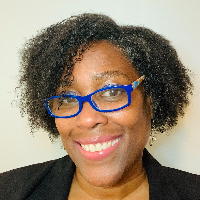
Georgia · 3 yrs exp
Licensed Professional Counselor - Stress and Life Changes
Stress, Anxiety · Self esteem · Career · Depression · +1 more
Read profile
Georgia · 10 yrs exp
LCSW - Anxiety and Blended family issues
Stress, Anxiety · Grief · Anger · Self esteem · +10 more
Read profile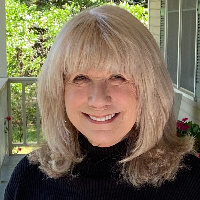
Georgia · 23 yrs exp
Licensed Professional Counselor - Stress and Relationships
Stress, Anxiety · Addictions · Relationship · Trauma and abuse · +14 more
Read profile
Georgia · 9 yrs exp
Licensed Professional Counselor - Mood and family concerns
Stress, Anxiety · Anger · Self esteem · Bipolar · +11 more
Read profile
Georgia · 7 yrs exp
LICSW clinician - blended household and relationship concerns
Stress, Anxiety · Trauma and abuse · Self esteem · Depression · +10 more
Read profile
Georgia · 25 yrs exp
Licensed Professional Counselor - Relationships and Family Concerns
Stress, Anxiety · Trauma and abuse · Grief · Self esteem · +13 more
Read profile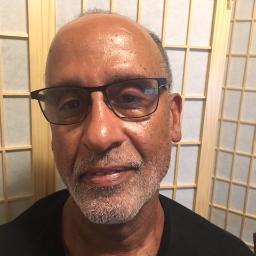
Georgia · 35 yrs exp
Licensed Clinical Social Worker - Relationships and Family
Stress, Anxiety · Relationship · Family · Parenting · +12 more
Read profile
Georgia · 20 yrs exp
Licensed Marriage and Family Therapist - Blended family issues
Stress, Anxiety · Relationship · Career · Depression · +13 more
Read profile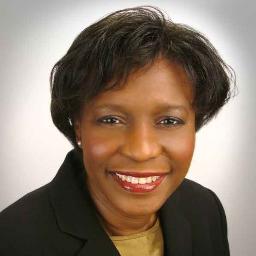
Georgia · 18 yrs exp
Licensed Professional Counselor - Family and Relationships
Stress, Anxiety · Relationship · Family · Trauma and abuse · +13 more
Read profile
Georgia · 36 yrs exp
Licensed Clinical Social Worker - Family and Relationships
Stress, Anxiety · Addictions · Relationship · Family · +13 more
Read profile
Georgia · 10 yrs exp
Licensed Professional Counselor - Relationships and Stress
Relationship · Anger · Career · Compassion fatigue · +9 more
Read profile
Georgia · 14 yrs exp
Licensed Professional Counselor - Family and Parenting
Family · Grief · Parenting · Self esteem · +12 more
Read profile
Georgia · 10 yrs exp
Licensed Professional Counselor - Stress and Life Changes
Stress, Anxiety · Relationship · Grief · Depression · +1 more
Read profile
Georgia · 8 yrs exp
Licensed Professional Counselor - Relationships and Trauma
LGBT · Relationship · Trauma and abuse · Self esteem · +14 more
Read profile
Georgia · 20 yrs exp
Licensed professional counselor - blended family issues
Stress, Anxiety · Addictions · Family · Trauma and abuse · +12 more
Read profile
Georgia · 7 yrs exp
Licensed Professional Counselor - stress and relationships
Stress, Anxiety · Addictions · Relationship · Trauma and abuse · +1 more
Read profile
Georgia · 5 yrs exp
Licensed Clinical Social Worker - Stress and Relationships
Stress, Anxiety · Addictions · Relationship · Grief · +1 more
Read profile
Georgia · 14 yrs exp
LPC - Relationships and family concerns
Relationship · Family · Intimacy-related issues · Parenting · +12 more
Read profile
Georgia · 8 yrs exp
Licensed Marriage and Family Therapist - Family issues and parenting
Stress, Anxiety · Relationship · Family · Parenting · +11 more
Read profile
Georgia · 13 yrs exp
Licensed Professional Counselor - Relationships and Trauma
Relationship · Trauma and abuse · Self esteem · Depression · +15 more
Read profile
Georgia · 21 yrs exp
Licensed Professional Counselor - Relationship and Family concerns
Stress, Anxiety · Relationship · Family · Anger · +13 more
Read profile
Georgia · 5 yrs exp
Licensed Professional Counselor - Family and Relationships
Stress, Anxiety · Relationship · Family · Parenting · +12 more
Read profile
Georgia · 18 yrs exp
Licensed Clinical Social Worker - Anxiety and Parenting
Stress, Anxiety · Self esteem · Depression · Coping with life changes · +12 more
Read profile
Georgia · 8 yrs exp
Licensed Professional Counselor - Relationships and Sexual Health
Family · Intimacy-related issues · Parenting · Self esteem · +11 more
Read profile
Georgia · 18 yrs exp
Licensed Professional Counselor - Relationships and Family
Stress, Anxiety · Relationship · Family · Trauma and abuse · +10 more
Read profile
Georgia · 20 yrs exp
Licensed Professional Counselor - Relationship and Family
Stress, Anxiety · Relationship · Family · Parenting · +10 more
Read profile
Georgia · 18 yrs exp
Licensed Professional Counselor - Relationships and Stress
Stress, Anxiety · Relationship · Family · Self esteem · +7 more
Read profile
Georgia · 26 yrs exp
Dr. Chanda Pilgrim - Psychologist for family and mood concerns
Family · Trauma and abuse · Parenting · Depression · +11 more
Read profile
Georgia · 25 yrs exp
Dr. Corlissa Wilson - LPC, blended family and relationship concerns
Stress, Anxiety · Relationship · Trauma and abuse · Grief · +10 more
Read profileWhen you join or build a blended household you may face many everyday and deeper challenges that affect how you relate to a partner, stepchildren, and former partners. You might be navigating the transition into becoming a stepparent and wondering how to set boundaries without overstepping, or you may be working to merge different routines, discipline expectations and household rules in ways that feel fair to everyone. Loyalty conflicts are common - a child may feel torn between biological parents and a new partner, or you may find your own sense of identity shifting as roles are redefined. Co-parenting with an ex often brings legal, logistical and emotional complexities that influence interactions within your new household.
Many people seek help to improve communication, manage conflict, and create clearer expectations. Others look for ways to cope with grief for the relationship that ended, or to address resentment and jealousy that can arise when loyalties and attachments change. Because this directory displays clinicians who list blended family issues among their focuses, you will encounter a range of approaches and backgrounds. Remember that the profiles are a starting point for comparing how therapists describe their work with individuals who are experiencing these kinds of stepfamily dynamics.
The directory groups profiles by listed location, Georgia, but a listed location is not by itself evidence of an office address, an active local license, or an agreement to work with residents everywhere in state. You should check each profile closely to see how a clinician describes their degrees - such as PhD, PsyD, MD, MA or MSW - and whether they also indicate a professional license, registration or membership. In the United States, people use the term licensed to refer to permission to practice granted by a state licensing board. In the United Kingdom and Australia, clinicians may describe registration with or membership in a professional body; that is not the same phrasing as US licensing but is relevant to how they are recognized in their country. A degree alone does not establish current permission to practice. Always confirm on the individual profile and in direct contact whether a clinician has the appropriate authorization to work with you where you live.
Profiles list focus areas and approaches as the clinician reported them. That means you will see statements such as therapists who list EMDR among their approaches or clinicians who note an interest in attachment-related issues. Those descriptions do not prove a particular certification or training pathway. Use the profile descriptions as prompts to ask specific questions about scope of practice, experience and professional standing before you decide to engage.
When you review profiles, think about the particular challenges you want help with and prepare direct questions that will help you compare therapists. Ask whether the clinician has experience working with stepparents who are trying to build authority and trust, or with people managing split custody schedules that affect day-to-day parenting. Ask how they typically work with individuals who are balancing loyalty conflicts and whether they have experience supporting people through blended household transitions. You may want to know what kinds of therapeutic approaches they list - for example, therapists who list narrative or attachment-informed approaches - and ask how those approaches translate into practical strategies for conversations, boundary setting and coping with triggers in your household.
Also ask about the clinician's background with related issues such as grief after separation, co-parenting disputes, or stress from blended household logistics. Phrase questions that let you compare responses, such as asking for examples of how they help someone prepare for a first conversation with a stepchild, or how they support someone who is juggling different parenting philosophies. These concrete questions help you move beyond general descriptions and get a sense for how a clinician might address situations similar to yours.
Many clinicians listed for Georgia provide online individual sessions. Before you begin, discuss practical and legal details that matter to your situation. Confirm whether the clinician has permission to work with clients where you live, since rules about online practice can vary between states and countries. Talk about how they handle privacy during sessions, what platform they use, and what to do if a technology interruption occurs. Ask how they manage emergencies and whether they will provide local crisis contacts for your area; online talk therapy is not a substitute for legal guidance or custody advice, so clarify the limits of what therapy will cover.
If you are concerned about safety for yourself or someone in your home, contact local emergency services or crisis lines immediately. If you have custody or legal questions related to stepfamily arrangements, you should consult an attorney experienced in family law rather than relying on therapy for legal advice. Speaking with a clinician ahead of time about how they document sessions, how they communicate between sessions, and what their policy is for cancellations or interruptions will help you set expectations and decide which profiles feel like a better match for your needs.
Comparing profiles effectively means looking beyond brief summaries to the details that matter to you. Consider whether a clinician lists blended family or stepfamily concerns as a focus area and then read how they describe their approach and experience. Notice whether they list specific populations they work with, such as new stepparents, partners adjusting to a child from a previous relationship, or people navigating co-parenting with an ex. Pay attention to languages offered, as being able to speak in your preferred language can make it easier for you to express complex feelings and experiences.
Look at how clinicians describe their therapeutic style. Some will emphasize a practical skills orientation that focuses on communication and boundary-setting, while others may frame their work around exploring attachment patterns or processing loss. Because profiles may note approaches without indicating formal certification, use phrases you encounter - for example, therapists who list cognitive-behavioral strategies among their approaches - as a starting point for asking how those approaches inform sessions. Ultimately, compare profiles by asking yourself whether the clinician's stated focus areas, professional credentials and description of style match the kind of support you are seeking. Then reach out to confirm permission to work with you where you live and to discuss the specific questions that matter to your stepfamily journey.
Addictions
2076 therapists
ADHD
2102 therapists
Anger
2668 therapists
Control Issues
2510 therapists
Depression
3730 therapists
Grief
3110 therapists
Guilt and Shame
3288 therapists
Intimacy Issues
2215 therapists
Isolation / Loneliness
3180 therapists
Midlife Crisis
2475 therapists
Mood Disorders
2514 therapists
Panic Disorder and Panic Attacks
2344 therapists
Post-Traumatic Stress
2785 therapists
Self Esteem
3660 therapists
Stress & Anxiety
4085 therapists
Trauma and Abuse
3362 therapists
Abandonment
2527 therapists
Adoption
1552 therapists
Attachment Issues
2629 therapists
Caregiver Issues and Stress
2843 therapists
Codependency
1954 therapists
Commitment Issues
2334 therapists
Communication Problems
3685 therapists
Coping with Life Changes
3506 therapists
Divorce
3178 therapists
Family
3328 therapists
Family of Origin Issues
2222 therapists
Fatherhood Issues
1593 therapists
Forgiveness
3167 therapists
Foster Care
1552 therapists
Infidelity
2237 therapists
Jealousy
2061 therapists
Life Purpose
3380 therapists
Money and Financial Issues
1673 therapists
Parenting
2957 therapists
Relationship
3678 therapists
Self-Love
3311 therapists
Separation
3178 therapists
Workplace Issues
2922 therapists