- Client-centered methods
- CBT techniques
- Mindfulness exercises
About David
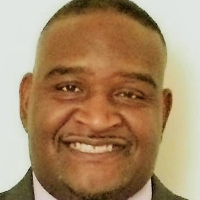
David Robertson is a Licensed Clinical Social Worker (LCSW) with ten years of practice experience in Georgia. He holds a Master of Social Work from Stony Brook University and also lists CSW. He focuses on concerns such as stress, anxiety, depression, grief, addiction, relationship and intimacy-related issues, and blended family issues.
David uses plain, direct conversation in sessions. He listens first, then helps people identify practical steps they can take. He draws on client-centered methods to focus on what matters most to each person. He also uses cognitive behavioral techniques and mindfulness exercises when those approaches fit the issue at hand.
In typical meetings he helps people name patterns that keep them stuck. That can look like noticing thoughts that feed anxiety or testing small changes to everyday routines. He will often introduce short mindfulness practices to reduce reactivity and build attention to what is happening in the moment.
He has worked with a wide range of adults over his career, including veterans and older adults, and with people facing caregiving, cancer, or end-of-life concerns. David can help people who are navigating the practical and emotional shifts of blended households, such as new stepparent roles, co-parenting tensions, and merging daily routines.
Sessions are goal-oriented but paced to the client. He uses conversational methods and straightforward tools so people can try ideas between sessions. To begin, clients complete a brief matching questionnaire and schedule an initial session.
How therapeutic approaches translate to online sessions
Client-centered therapy focuses on listening and responding to what the client says. In practice that means sessions shape themselves around the person's concerns and goals rather than a preset plan. This approach suits people who need someone to reflect their thoughts and sort priorities together.Cognitive Behavioral Therapy, or CBT, helps people identify unhelpful thinking patterns and try small behavior changes. Online CBT can include worksheets, structured exercises, and homework tasks to practice between meetings, which can help with anxiety, depression, and relationship patterns.
Finding the right approach is part of the work. David will talk with each person about goals and preferences and then suggest methods to try. That decision is collaborative and can change as needs evolve.
Session formats are not listed in the biography, so confirm current options before booking. Online sessions can make it easier to fit therapy into a busy day, shorten travel time, and let people check in from wherever they are. Different formats also let someone choose a shorter check-in or a longer session when needed, and they can reduce the time lost to commuting or scheduling conflicts.
Areas of expertise
Primary focus
Also works with
Additional focus areas
Therapeutic approaches
Experience
10+ years
Listed in
Georgia
Languages
English
Frequently asked questions
What kinds of concerns does he address?
He works with stress, anxiety, depression, grief, addictions, relationship and intimacy-related issues, and blended family issues among other concerns.
What is his therapy style like?
He uses a client-centered approach that emphasizes listening and practical steps. He pairs that with CBT and mindfulness when those methods fit the client's goals.
How much experience does he have?
He has ten years of clinical experience and a Master of Social Work from Stony Brook University.
What credential and location does he hold?
He is a Licensed Clinical Social Worker (LCSW) and CSW practicing in Georgia.
Which languages are supported?
Sessions are offered in English.
Can he work with clients outside the United States?
He is not currently accepting international clients.
What are the session formats?
Session formats are not specified here; please confirm the current online session options before booking.
How do I get started?
Select the See online therapy options button, complete a short matching questionnaire, and schedule a first session.
Online talk therapy is for adults and is not emergency care, mediation or legal advice. If you or a child are in danger, use the emergency numbers. Find someone else by name.