- Client-Centered Therapy
- Cognitive Behavioral Therapy
- Blended family issues
About Tracy
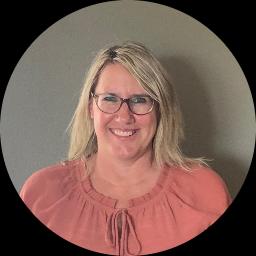
Dr. Tracy Williams is a Minnesota Psychologist (MN Psychologist LP6201) and a South Dakota Psychologist (SD Psychologist 419) with 24 years of professional experience. She is a parent and grandparent and has worked with adults, parents, adolescents, and others on relationship and parenting concerns.
She helps people who are dealing with anger, low self-esteem, anxiety, stress, grief, and trauma. She also supports those facing sleep problems, career strain, bipolar disorder, depression, and compassion fatigue. Blended family issues are listed among her areas of focus for people merging households or adjusting to stepfamily roles.
Dr. Williams uses several approaches in her work. She draws on Client-Centered Therapy to follow what matters most to the person in the room. She uses Cognitive Behavioral Therapy to look at thinking patterns and practical behavior changes. She also brings Psychodynamic and Solution-Focused ideas when history or short-term goals are useful.
Sessions are meant to be straightforward. Conversations identify what is causing strain and what small steps might change daily life. She works with clients to build clearer communication, set boundaries, and manage strong emotions so routines feel more manageable.
Her background includes long-term practice in South Dakota and Minnesota. People who choose her often want practical support around family roles, parenting challenges, and rebuilding confidence after difficult events. To start, clients complete a short matching questionnaire and schedule a first session.
How her approaches translate to online sessions
Dr. Williams commonly uses Client-Centered Therapy and Cognitive Behavioral Therapy in her work. Client-Centered Therapy focuses on listening and following what matters most to the client, helping people clarify their goals and priorities. Cognitive Behavioral Therapy looks at patterns of thought and behavior and teaches practical strategies for changing reactions to stress, anxiety, or anger.Deciding which approach to use is a collaborative process. She will talk with the client about goals, preferences, and what has or has not worked before. Together they choose techniques and pacing that fit the person's situation rather than applying a single method.
Confirm the exact session formats before booking, as the biography does not specify formats. Online sessions can make it easier to fit appointments into a workday, reduce travel time, or allow a shorter check-in when time is limited. The focus is on making therapy practical and usable within everyday life while matching methods to the client's goals and needs.
Areas of expertise
Primary focus
Also works with
Additional focus areas
Therapeutic approaches
Experience
24+ years
Listed in
South Dakota, Minnesota, Iowa
Languages
English
Frequently asked questions
What kinds of concerns does she address?
She works with relationship and parenting issues, anger, anxiety, depression, trauma, grief, stress, and related concerns including blended family issues.
What is her therapeutic style?
Her approach combines Client-Centered Therapy, CBT, Psychodynamic, Solution-Focused, and Trauma-Focused methods to match the client's needs.
How long has she been practicing?
She has 24 years of professional experience working with adults, parents, and adolescents.
Where is she licensed and based?
She is licensed as a Minnesota Psychologist (MN Psychologist LP6201) and a South Dakota Psychologist (SD Psychologist 419) and practices from South Dakota.
Which languages are supported?
Sessions are offered in English.
Does she accept clients from other countries?
International clients are not currently accepted.
How are fees handled?
Cost varies with location and sessions use a subscription that can be canceled at any time.
How do I begin working with her?
Select the See online therapy options button, complete the short matching questionnaire, and schedule a first session.
Online talk therapy is for adults and is not emergency care, mediation or legal advice. If you or a child are in danger, use the emergency numbers. Find someone else by name.