- Addiction recovery
- Trauma and grief
- Blended family issues
About Timothy
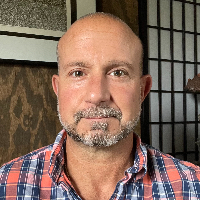
Timothy Welch is an Ohio Licensed Professional Clinical Counselor (LPCC) with 22 years of experience. He has worked across settings that include private practice, community mental health, crisis intervention, and addiction rehabilitation. He helps people facing stress, anxiety, addictions, depression, grief, trauma, relationship and family concerns, ADHD, and blended family issues.
Welch frames therapy as a collaborative process. He aims to work together with each person to set goals and decide practical next steps. Sessions often focus on skills, coping strategies, and clear problem-solving rather than abstract theory.
He has a long history supporting people through substance use recovery and trauma. That experience informs how he approaches grief, loss, and mood struggles. He also offers coaching options outside of clinical counseling for accountability and practical support.
Welch draws on several straightforward approaches, including client-centered work, cognitive behavioral methods, dialectical behavior skills, emotionally-focused ideas, and existential reflection. He uses what fits the person’s needs and life situation instead of sticking to a single method.
He holds a bachelor’s degree in psychology from John Carroll University and a master’s degree in counseling and human development from Walsh University. His background includes hospice care, youth services, and group-based programs related to recovery and anger management.
To begin, readers are directed to the site’s online therapy options and matching questionnaire to schedule a first session. He accepts English-speaking international clients and practices from Ohio.
How his stated approaches translate to online work
Client-Centered Therapy focuses on listening and responding to what a person says so conversations guide the next steps. It helps with feeling heard, sorting priorities, and deciding practical goals. Cognitive Behavioral Therapy (CBT) looks at patterns of thinking and behavior and teaches concrete skills to reduce anxiety, manage mood, and change unhelpful habits. Dialectical Behavior Therapy (DBT) offers specific skills for emotion regulation, distress tolerance, and clearer communication that can help with intense emotions and relationship strain.Choosing the best approach is part of the work. The therapist will review goals, symptoms, and preferences together and recommend what to try first. That makes sessions collaborative rather than one-size-fits-all.
The biography does not list specific online session formats, so confirm the current options before booking. Online work can make it easier to fit sessions into daily life, shorten commute time, and allow for more consistent check-ins. It can also let people use brief phone or video check-ins when a full in-person hour is harder to arrange. Licensed professionals can adapt these approaches to online delivery and adjust them to the pace and needs of each person.
Areas of expertise
Also works with
Additional focus areas
Therapeutic approaches
Experience
22+ years
Listed in
Ohio
Languages
English
Frequently asked questions
What kinds of concerns does he address?
He works with stress, anxiety, addictions, depression, grief, trauma, relationship and family issues, ADHD, and related concerns including blended family issues.
How would you describe his therapeutic style?
He emphasizes a collaborative, practical approach that focuses on skills, coping strategies, and problem solving rather than abstract theory.
How much experience does he have?
He has 22 years of clinical experience across private practice, community mental health, crisis intervention, and addiction services.
What are his credentials and where does he practice?
He is an LPCC licensed in Ohio and practices from Ohio.
Can I work with him if I live outside the United States?
Sessions are offered in English and he accepts international clients.
Which session formats does he offer?
Confirm current session options before booking since formats were not specified in the biography.
How are fees handled?
Cost varies with location and sessions use a subscription model that can be canceled at any time.
What are the first steps to start working together?
Choose the See online therapy options button, complete the short matching questionnaire, and schedule your first session.
Online talk therapy is for adults and is not emergency care, mediation or legal advice. If you or a child are in danger, use the emergency numbers. Find someone else by name.