- Client-Centered Therapy
- Cognitive Behavioral Therapy
- Motivational Interviewing
About Steve
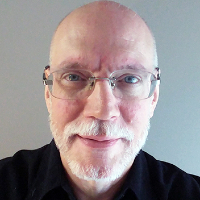
Steve Hammond is a Licensed Professional Counselor (LPC) practicing in Georgia with 11 years of experience. He offers one-to-one therapy for adults facing stress, anxiety, depression, addictions, grief, relationship and intimacy-related concerns, and challenges tied to sexual orientation. Sessions are conducted in English and Dutch.
He describes a straightforward, question-driven approach. He listens, asks practical questions, and helps clients outline steps they can take. He combines research-based psychotherapy methods with personal faith influences, and he says this informs how he frames conversations for people who feel hurt by religious communities.
Steve often supports people dealing with communication problems, commitment and control issues, and complications from divorce or blended households. He also works with attachment and abandonment concerns, adoption and foster care topics, and fatherhood-related issues. He includes work on coping skills for compassion fatigue and life transitions.
In sessions he may use client-centered techniques and cognitive behavioral strategies to identify thoughts and behaviors to change. Motivational interviewing and narrative ideas can appear when people want to revisit how their story is told and what motivates change. Dialectical behavior ideas are part of his toolbox for emotional regulation and impulse control.
Steve says he is nonjudgmental and aims to create a direct, practical space for planning next steps. To start, clients complete a brief matching questionnaire and schedule a first session through the online sign-up flow. Fees vary with location and use a subscription that can be canceled at any time.
How his approaches translate to online sessions
Client-centered therapy focuses on the client's perspective. It emphasizes listening and reflecting so clients can name what matters and make choices. This approach fits concerns like relationship stress and questions about sexual orientation because it starts with the person's own experience.Cognitive Behavioral Therapy, or CBT, looks at how thoughts affect feelings and actions. In practice this means identifying unhelpful thinking patterns and testing smallbehavioral experiments. CBT is often used for anxiety, depression, and stress-related problems.
Dialectical Behavior Therapy ideas offer practical skills for managing strong emotions and reducing impulsive actions. Simple skills training in emotion regulation and distress tolerance can help with anger, addiction urges, and intense mood swings.
Finding the right mix of methods is collaborative. The therapist will work with the client to decide which approaches suit their goals and comfort level. That decision can change as progress is made, and sessions may blend techniques to match what the client needs.
The biography does not list specific online session formats, so confirm which formats are offered before booking. Online work can make it easier to fit appointments around family life, remove travel time, and allow shorter check-ins when that suits a daily schedule. These practical benefits can help keep momentum while addressing blended household concerns and other relationship issues.
Areas of expertise
Primary focus
Also works with
Additional focus areas
Therapeutic approaches
Experience
11+ years
Listed in
Georgia
Languages
English, Dutch
Frequently asked questions
What kinds of concerns does he address?
He helps adults with stress, anxiety, depression, addictions, grief, relationship and intimacy-related concerns, and issues tied to sexual orientation. Additional focus areas include blended family issues, attachment concerns, and parenting-related topics.
How would he describe his therapeutic style?
He uses a practical, question-led style that focuses on listening and building an action plan. He draws on client-centered methods and evidence-based approaches to guide conversation and next steps.
How much experience does he have?
He has 11 years of counseling experience working with adults on a range of emotional and relationship concerns.
What are his credentials and where is he based?
He is an LPC - Licensed Professional Counselor - practicing in Georgia.
Which languages are supported in sessions?
Sessions are offered in English and Dutch.
Does he work with international clients?
He does not accept international clients at this time.
What formats are available for sessions?
The biography does not list specific session formats; confirm current session options before booking.
How do I begin working with him?
Click the See online therapy options button, complete the short matching questionnaire, and then schedule a first session through the provided scheduling flow.
Online talk therapy is for adults and is not emergency care, mediation or legal advice. If you or a child are in danger, use the emergency numbers. Find someone else by name.