- Client-centered work
- Cognitive behavioral tools
- Mindfulness practices
About Sonya
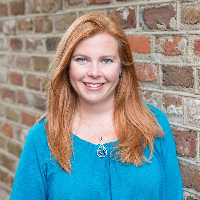
Sonya Fields is an LPC - Licensed Professional Counselor in South Carolina with 25 years of experience. She works with adults on stress, anxiety, relationship and family concerns, grief, trauma and abuse, mood and attention issues, and practical life changes. She also lists blended family issues among her focus areas.
She keeps sessions straightforward and goal-oriented. She helps people identify a clear goal and the small steps that make progress possible. She looks for strengths clients already have and points out resources they can use right away. Sessions blend talk with practical tools and occasional coaching techniques.
Her approach draws on client-centered work that centers the person's needs and preferences. She also uses cognitive behavioral tools to tackle unhelpful thoughts and build new habits. Emotionally-focused ideas help when relationship feelings are the main concern, and she brings mindfulness practices when clients need calm or better focus.
Sonya has worked in counseling and coaching roles for more than two decades. She combines clinical training with coaching methods to support health and behavioral change. Her background includes helping people with sleep, eating and body image struggles, caregiver strain, and challenges that come from divorce, separation, or merging households.
People interested in practical change often find her method useful. She offers a mix of live sessions and message-based support as part of her service model. If a stepparent or partner in a blended household needs help sorting roles, routines, or co-parenting tensions, she lists blended family issues among the topics she addresses.
How her approaches translate to remote work
Client-Centered Therapy focuses on the client's goals and preferences. It means the therapist listens, reflects, and helps people decide what matters most. This approach is useful for sorting priorities, values, and next steps when household roles change.Cognitive Behavioral Therapy (CBT) targets the thoughts and behaviors that keep problems going. It uses structured exercises and small experiments to shift unhelpful thinking and build new habits. CBT can help with sleep, anxiety, negative self-talk, and practical routines in blended homes.
Emotionally-Focused Therapy (EFT) looks at the patterns of feeling and interaction that cause pain. It helps people notice how emotions shape conflict and develop different ways of responding. EFT-style ideas can be helpful when loyalty conflicts or strong relationship feelings make decision-making hard.
Finding the right approach is part of the process. The therapist will work collaboratively to choose methods that match a person's goals, preferences, and day-to-day reality. That fit can be adjusted as sessions unfold so work stays useful and relevant.
Confirm the current session options before booking, as formats are not exhaustively listed here. Her biography indicates a preference for a mix of phone or video sessions plus text support. Online work can make scheduling easier, allow shorter check-ins, reduce travel time, and let people fit sessions into busy days without changing their routine.
Areas of expertise
Primary focus
Also works with
Additional focus areas
Therapeutic approaches
Experience
25+ years
Listed in
South Carolina
Languages
English
Frequently asked questions
What concerns does she address related to blended households?
She lists blended family issues among her focus areas and works with adults on co-parenting, role changes, and merging routines.
How would she approach stepfamily conflict or relationship stress?
Her style is client-centered and goal-focused, combining talk with practical tools drawn from CBT and emotionally-focused approaches to address feelings and behavior.
How much clinical experience does she have?
She has 25 years of experience working as a counselor and coach in clinical settings and related roles.
What is her professional credential and where is she based?
She is an LPC - Licensed Professional Counselor in South Carolina.
Can I work with her if I live outside the United States?
She accepts international clients and offers services to people outside the US in English.
What session formats does she use?
Her biography notes she prefers some phone or video sessions along with text support; confirm current session options before booking.
How much do sessions cost?
Cost varies with location and sessions use a subscription that can be canceled at any time.
How do I begin a first session with her?
Start by selecting the See online therapy options button, complete a short matching questionnaire, and schedule a first session.
Online talk therapy is for adults and is not emergency care, mediation or legal advice. If you or a child are in danger, use the emergency numbers. Find someone else by name.