- Client-Centered Therapy
- Cognitive Behavioral Therapy
- Mindfulness practice
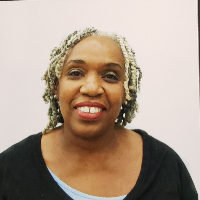
About Sharon
Sharon Sumler is a Licensed Master Social Worker (LMSW) with 20 years of experience. She practices from Michigan and works with adults on concerns such as stress, anxiety, addictions, relationship and family issues, depression, trauma, grief, intimacy-related problems, parenting and anger.
Sharon describes practical work that helps people move forward after hard events. She uses straightforward conversation to identify patterns that keep someone stuck. Sessions focus on steps people can try between meetings so progress is easier to see.
Her background includes long experience with a wide range of concerns. That experience has involved supporting people facing life transitions, caregiving strain, blended family issues and challenges linked to attachment and abandonment. She also lists work related to ADHD, bipolar conditions, and co-occurring problems.
Clinically she draws on client-centered methods and cognitive behavioral tools to look at thinking and behavior. Dialectical behavior strategies and mindfulness are used when emotional regulation and stress reduction are priorities. Motivational interviewing techniques appear when deciding on change goals is needed.
Sharon aims for clear, practical steps in sessions. She invites people to talk through their current struggles, set short-term goals, and practice new responses. The emphasis is on usable strategies rather than long theory discussions.
Therapeutic approaches and online sessions
Sharon commonly uses client-centered methods and cognitive behavioral therapy in her work. Client-centered work focuses on the person's concerns and priorities and helps people speak through what matters most to them. Cognitive behavioral therapy looks at the links between thoughts, feelings and behaviors and offers practical tools to change unhelpful patterns.She also draws on dialectical behavior therapy when emotion regulation and interpersonal effectiveness are priorities. DBT provides concrete skills for managing strong emotions, reducing reactive behavior and improving communication in tense moments.
Choosing the right approach is part of the work. Sharon will review goals and preferences with each person and recommend steps to try together. That collaborative review helps decide whether to emphasize CBT tools, DBT skills, or more client-focused exploration.
The profile does not list specific session formats, so confirm the available online options before booking. Online sessions can make it easier to fit appointments into a busy life, allow shorter check-ins when needed, and remove travel time. Many people find remote sessions helpful for keeping continuity during life changes while they practice new skills between meetings.
Areas of expertise
Primary focus
Also works with
Additional focus areas
Therapeutic approaches
Experience
20+ years
Listed in
Michigan
Languages
English
Frequently asked questions
What kinds of concerns does she help with?
She works with stress, anxiety, addictions, relationship and family problems, depression, trauma and grief among other issues.
How would she describe her therapeutic style?
She uses practical, conversational work that highlights small, doable steps and exercises between sessions.
What is her experience?
She has 20 years of experience supporting people with a wide range of emotional and life challenges.
What credentials and location apply?
She holds an LMSW (Licensed Master Social Worker) in Michigan and practices under that credential.
Which languages and international clients are supported?
Sessions are offered in English and she is not accepting international clients at this time.
What session formats are available?
The original profile does not list specific session formats; please confirm current session options before booking.
How does cost work?
Costs vary with location; sessions use a subscription that can be canceled at any time.
How do I get started?
Select the See online therapy options button, complete a short matching questionnaire, and schedule a first session.
Online talk therapy is for adults and is not emergency care, mediation or legal advice. If you or a child are in danger, use the emergency numbers. Find someone else by name.