- CBT methods
- DBT skills
- Acceptance work
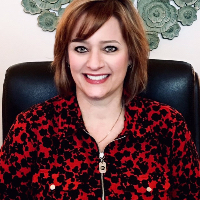
About Shannon
Dr. Shannon Hunter is an LPC (licensed professional counselor) based in Texas with 19 years of clinical experience. She combines talk therapy and psychoeducation to help people learn coping skills and reduce stressful symptoms. Dr. Hunter’s background spans education and mental health counseling, and she draws on that mix to shape each session.
She uses methods such as cognitive behavioral therapy (CBT) and dialectical behavior therapy (DBT) alongside mindfulness and acceptance strategies. These approaches are used to teach practical tools for anxiety, depression, stress, and related concerns. Sessions focus on skills you can try between meetings and ways to handle difficult feelings in daily life.
Her training includes multiple graduate degrees, including a Doctorate in Educational Psychology and master’s degrees in Counseling and Education earned largely at Texas Tech University. She also lists state licenses in community counseling and chemical dependency as part of her background.
Dr. Hunter notes experience across private practice, clinics, integrated health settings, state facilities, and university campuses. That range informs an approach that mixes education, short-term skills work, and longer-term emotional processing. She frames therapy as practical problem solving rather than only talk.
People contact her for a wide range of issues including anxiety, relationship concerns, blended family issues, trauma and grief, ADHD, addiction, sleep and eating difficulties, caregiver stress, and body image. Sessions are conducted in English and international clients are not accepted.
How her approaches translate to online sessions
Acceptance and Commitment Therapy (ACT) focuses on noticing thoughts and feelings without getting stuck in them, then choosing actions that match personal values. ACT can help with anxiety, stress, and commitment or identity questions in a blended household. Cognitive Behavioral Therapy (CBT) breaks problems into thoughts, feelings, and behaviors and teaches specific exercises to change unhelpful patterns. CBT is useful for anxiety, depression, sleep and eating issues, and coping skills for day-to-day stress.Choosing the right approach is part of the process. The therapist will work together with the client to identify goals and try methods that fit their needs and preferences. That collaborative planning may include short skills work, longer emotional processing, or a mix depending on what helps most.
Confirm current session formats before booking to know what is offered. Online sessions can make it easier to fit therapy into a busy schedule, allow shorter check-ins when needed, and remove travel time. They also let people use tools like worksheets or guided exercises during sessions. Discuss practical details with the therapist when you schedule so sessions match your routine and goals.
Areas of expertise
Primary focus
Also works with
Additional focus areas
Therapeutic approaches
Experience
19+ years
Listed in
Texas
Languages
English
Frequently asked questions
What kinds of concerns does she address?
She works with stress, anxiety, depression, addictions, trauma, relationship issues, grief, ADHD, caregiver stress, and blended family issues among other topics.
What is her approach in sessions?
She blends evidence-based talk therapy with psychoeducation and skill teaching, using techniques from CBT, DBT, ACT, attachment work, and client-centered methods.
How much experience does this therapist have?
She has 19 years of experience in counseling and education settings, including private practice, clinics, integrated health, state facilities, and university campuses.
What are her credentials and where is she located?
She is an LPC (licensed professional counselor) with licensure in Texas and practices from Texas.
Which languages are sessions offered in?
Sessions are offered in English only.
Can she work with clients outside the US?
She does not accept international clients at this time.
How are sessions scheduled and paid for?
Session cost varies by location and sessions use a subscription that can be canceled at any time.
What should I do to get started?
Select the See online therapy options button, complete the short matching questionnaire, and schedule a first session.
Online talk therapy is for adults and is not emergency care, mediation or legal advice. If you or a child are in danger, use the emergency numbers. Find someone else by name.