- Attachment work
- DBT skills
- Emotion-focused work
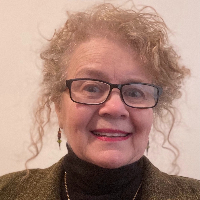
About Sara
Sara Tinker is a Licensed Clinical Social Worker (LCSW) in Tennessee with 26 years of experience. She works with adults facing stress, anxiety, relationship problems, trauma and abuse, depression, and blended family issues among other concerns.
Sara uses straightforward, practical methods in sessions. She draws on attachment-based and client-centered approaches to help people talk through relationship patterns and family tensions. She also uses elements of Dialectical Behavior Therapy to teach coping skills and Emotionally-Focused Therapy ideas to address emotional connection and hurts.
Her background includes clinical work in community mental health, adolescent psychiatric and addiction settings, and a private practice begun in the 1990s. Early training in exercise physiology and later study of yoga and meditation inform the way she pays attention to body responses and stress. Over the years she has also worked with programs serving women in recovery and those affected by trafficking and homelessness.
Sara says her life experiences - long-term relationships, losses, chronic pain, caregiving, and blended family life - shape how she relates to clients. In session she aims to help people improve communication, set boundaries, manage mood swings, and handle parenting or co-parenting challenges.
Typical work covers grief, addiction concerns, intimacy and sexual identity questions, self-esteem, chronic illness stress, and coping with major life changes. People who want clear practical tools alongside exploration of relationship patterns may find this style helpful.
How her approaches translate to online work
Sara draws on attachment-based work to look at how early and current relationships shape reactions and closeness. That approach helps people who struggle with trust, separation, or repeated conflict in relationships. She uses client-centered methods to focus sessions on the person’s own concerns and to follow the issues they bring up. This supports practical problem solving and clearer communication in blended households. She also incorporates Dialectical Behavior Therapy skills training to teach emotion regulation, distress tolerance, and interpersonal effectiveness. DBT tools are often useful for managing anger, strong emotions, and relationship triggers.Finding the right mix of approaches is part of the work. The therapist will talk through goals and preferences and together decide which methods to prioritize. That collaborative process helps tailor sessions to parenting strains, loyalty conflicts, co-parenting arrangements, and other blended family realities.
Confirm current session formats before booking because this profile does not list specific options. Online sessions can make it easier to fit therapy into a busy week, shorten travel time, and allow for shorter check-ins when needed. Many people find remote sessions useful for maintaining continuity during life transitions and for practicing new communication skills between appointments.
Areas of expertise
Primary focus
Also works with
Additional focus areas
Therapeutic approaches
Experience
26+ years
Listed in
Tennessee
Languages
English
Frequently asked questions
What kinds of problems does she address?
Sara works with stress, anxiety, depression, trauma and abuse, relationship and intimacy issues, addiction concerns, grief, parenting and blended family issues among other related topics.
How would you describe her therapy style?
She blends attachment-based and client-centered approaches with skill-building from DBT and emotion-focused techniques to address relationship patterns and coping skills.
How much clinical experience does she have?
She has 26 years of professional experience in clinical settings including community mental health, adolescent psychiatric and addiction treatment, and private practice.
What are her credentials and where is she based?
She is an LCSW licensed in Tennessee and practices from that state.
Does she offer sessions in other languages or to international clients?
Sessions are offered in English and she is not accepting international clients at this time.
What session formats does she offer?
Confirm current session options before booking, as the profile does not specify formats here.
How does payment work?
Cost varies with location and sessions use a subscription that can be canceled at any time.
How do I get started?
Select the See online therapy options button, complete the short matching questionnaire, and schedule a first session.
Online talk therapy is for adults and is not emergency care, mediation or legal advice. If you or a child are in danger, use the emergency numbers. Find someone else by name.