- Cognitive Behavioral Therapy
- Attachment work
- Blended family issues
About Rodrecus
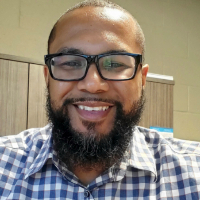
Rodrecus Atkinson is a Licensed Professional Counselor (LPC) based in South Carolina with 11 years of experience in mental health care. He works with adult clients on common concerns such as anxiety, depression, stress, relationship strain, and issues that arise when households change. He also lists blended family issues among his focus areas.
He uses Cognitive Behavioral Therapy (CBT) as a central method. CBT helps people notice unhelpful thoughts and change behaviors that keep problems going. Rodrecus pairs that with other approaches when it helps, including Acceptance and Commitment Therapy and Attachment-Based ideas.
Sessions are straightforward and interactive. He emphasizes clear communication, honesty, and occasional humor while talking through practical steps. Expect to work on specific skills and real-life strategies you can try between meetings.
Rodrecus also addresses topics such as parenting stress, co-parenting tensions, intimacy-related worries, grief, addiction, ADHD, and career pressures. He notes concerns like attachment issues, abandonment, and body image among his additional focus areas.
He describes his style as adaptable and transparent. That means he aims to match the approach to what a person needs, and to explain why particular techniques are being used. If you are considering therapy to manage changes in a blended household or other life shifts, he offers a practical, talk-based way to work on those problems.
Therapeutic approaches used online and what they do
Acceptance and Commitment Therapy (ACT) encourages noticing thoughts and feelings without getting stuck in them, then choosing actions that align with your values. It can help when people feel blocked by fear or avoidance.Cognitive Behavioral Therapy (CBT) focuses on identifying unhelpful thoughts and testing them against real-life evidence. It is useful for anxiety, depression, and routine patterns that keep problems going.
Attachment-Based Therapy looks at how early relationship patterns show up now and affect trust and closeness. It can be helpful for relationship strain and attachment concerns in blended households.
Finding the right approach is part of the work. Rodrecus will discuss which methods seem most useful and adapt them to your needs and goals. This is a collaborative process where you and the therapist choose what to try and adjust as you go.
The therapist's biography does not list specific session formats, so confirm the exact online options before scheduling. Online sessions can make it easier to fit meetings into a busy week, shorten a check-in when needed, or avoid travel. They also let people meet with a licensed professional from their day-to-day environment, which can help apply skills directly to household routines and blended family challenges.
Areas of expertise
Primary focus
Also works with
Additional focus areas
Therapeutic approaches
Experience
11+ years
Listed in
South Carolina
Languages
English
Frequently asked questions
What kinds of problems does he help with?
He works with adults on stress, anxiety, depression, relationship concerns, parenting strain, addictions, grief, and blended family issues among other areas.
What is his therapy style like?
He uses a direct, interactive style that mixes clear communication, honesty, and occasional humor. Sessions focus on practical steps and skills to try between meetings.
How much experience does he have?
He has 11 years working in counseling and the mental health field.
What are his credentials and location?
He is a Licensed Professional Counselor (LPC) practicing in South Carolina.
Does he work in any languages besides English?
Sessions are offered in English.
What session formats are available?
The original biography does not list specific session formats. Confirm current session options before booking.
How are sessions paid for?
Cost varies with location; sessions use a subscription that can be canceled at any time.
How do I begin working with him?
Select the See online therapy options button, complete the short matching questionnaire, and schedule a first session.
Online talk therapy is for adults and is not emergency care, mediation or legal advice. If you or a child are in danger, use the emergency numbers. Find someone else by name.