- Attachment-based methods
- Cognitive behavioral tools
- Emotion-focused work
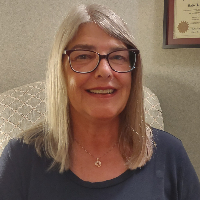
About Robin
Robin Marraccini is an Ohio Licensed Independent Social Worker (LISW) with 20 years of clinical experience. She helps individuals who are dealing with stress, anxiety, grief, depression, relationship struggles, parenting concerns, and the practical pressures of life change.
Robin listens and talks through what brought a person to therapy. She works with individuals to identify techniques that can be used day to day. Sessions are structured around the person's needs and goals. She uses clear, straightforward language rather than clinical jargon.
Her work draws on attachment-based ideas, client-centered methods, cognitive behavioral techniques, dialectical behavior skills, and emotion-focused approaches. That mix is used to look at patterns in relationships, reaction styles, and ways to manage emotions and behavior. She also addresses concerns such as abandonment, adoption and foster care questions, blended family issues, caregiving stress, chronic illness, and issues around intimacy and communication.
Robin describes her manner as laid back but direct when needed. She balances listening with practical suggestions and concrete tools. The goal is to help people make choices that fit their life and to practice behaviors that support those choices.
People who are juggling role changes, new household dynamics, or grief often find the focus is on skills they can use right away. She encourages collaborative work so that therapy connects to daily routines and real-world problems.
Approaches used in online sessions
Attachment-based work looks at how early relationship patterns affect current bonds and communication. It helps people who notice repeating trust or closeness problems and want clearer ways to connect and respond. Cognitive behavioral therapy focuses on the link between thoughts, feelings, and actions. It offers step-by-step strategies to change unhelpful thinking and to test new behaviors when dealing with anxiety, depression, or life transitions.Finding the right approach is part of the work together. The therapist will discuss goals and preferences and suggest methods that fit those aims. Decisions about techniques are made collaboratively and can shift as needs change.
Session formats are not spelled out in the biography, so confirm current online options before booking. Online appointments can make it easier to fit therapy into a busy week, reduce travel time, and allow shorter check-ins if needed. Some people use online sessions to practice communication skills with less disruption to daily routines or to continue care during life transitions. Licensed professionals will adapt tools from attachment work and CBT to the online format to keep sessions practical and goal focused.
Areas of expertise
Primary focus
Also works with
Additional focus areas
Therapeutic approaches
Experience
20+ years
Listed in
Ohio
Languages
English
Frequently asked questions
What kinds of concerns does she address?
She works with stress, anxiety, grief, depression, relationship and parenting concerns, and life transitions including issues related to blended families.
How would you describe her therapeutic style?
Her style is client-centered and conversational with a practical focus. Sessions mix listening with concrete techniques from several approaches.
How much experience does she have?
She has 20 years of experience as a Licensed Independent Social Worker helping people with a wide range of concerns.
What credential does she hold and where is she based?
She is an Ohio LISW and practices in Ohio.
Which languages are supported?
Sessions are offered in English.
Does she take international clients?
She does not accept international clients at this time.
What are the session formats?
Session formats are not specified here; confirm current session options before booking.
How is cost handled and how do I begin?
Cost varies with location and sessions use a subscription that can be canceled at any time. To begin, select the See online therapy options button, complete the short matching questionnaire, and schedule a first session.
Online talk therapy is for adults and is not emergency care, mediation or legal advice. If you or a child are in danger, use the emergency numbers. Find someone else by name.