- Cognitive Behavioral Therapy
- EMDR trauma work
- Blended family issues
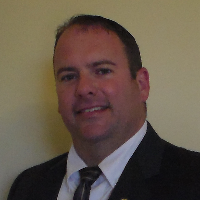
About Robert
Dr. Robert Cipriano Jr is a California Psychologist 32975 and North Carolina Psychologist 5348 with 20 years of practice. He works in Florida and provides care for people facing anxiety, depression, trauma, grief, addictions, relationship and family problems, and issues tied to stress or sleep.
He uses clear, practical methods in sessions. He has relied on cognitive behavioral therapy for most of his career. In the last two years he has been offering Eye Movement Desensitization and Reprocessing, or EMDR, for people with trauma symptoms.
Much of his background is with public safety and high-stress work. He has provided services to a trauma intensive care unit and inpatient behavioral health units at a large trauma hospital in northern Miami-Dade County. He has led critical incident stress debriefings for staff and has completed more than 200 such debriefings.
He has worked inside a metropolitan police department as a staff psychologist assigned to a crisis negotiation team. In that role he assisted with crisis situations involving hostages, barricades, and other high-risk incidents. He also helps develop wellness programs for public safety sworn and civilian personnel and supervises psychological services for a major police department.
In addition to clinical work, he has delivered training on active shooter dynamics, school violence, and bullying. He has written on the topic of wellness and on keeping wellness practices connected to other parts of life. For people in blended families, communication or co-parenting conflicts, he lists blended family issues among his focus areas.
How CBT and EMDR are used in online care
Dr. Cipriano commonly uses cognitive behavioral therapy, which looks at how thoughts, feelings, and behaviors interact. CBT helps people learn concrete skills to reduce anxiety, manage mood, and change unhelpful patterns. EMDR, Eye Movement Desensitization and Reprocessing, is a trauma-focused approach that uses guided attention to reduce distress tied to traumatic memories and related symptoms.Choosing the best approach is a collaborative process. The therapist discusses goals, symptoms, and preferences and then recommends whether CBT, EMDR, or a mix will likely help. Clients and the therapist can adjust the plan over time based on how things are progressing.
Confirm the current session formats before booking since the biography does not list specific formats here. Online sessions can make it easier to fit therapy around work, school, or caregiving by removing travel time and permitting shorter check-ins when needed. They also allow continuity of care after relocation or when in-person visits are difficult. The therapist will review practical details and match the format to the client’s needs when scheduling.
Areas of expertise
Primary focus
Also works with
Additional focus areas
Therapeutic approaches
Experience
20+ years
Listed in
Florida, North Carolina, California
Languages
English
Frequently asked questions
What concerns does he address related to blended households?
He lists blended family issues, communication problems, parenting, relationship and family concerns among his focus areas. He can help talk through practical challenges in merged households.
What style of therapy does he use?
He primarily uses cognitive behavioral therapy and has added EMDR for trauma symptoms. Sessions tend to be focused and skills-oriented.
How much clinical experience does he have?
He has 20 years of professional experience working with trauma, public safety, hospital settings, and community clients.
What are his credentials and where is he based?
He is a California Psychologist 32975 and a North Carolina Psychologist 5348 and currently practices in Florida.
Does he offer sessions in languages other than English?
Sessions are offered in English.
Can international clients work with him?
He is not accepting international clients at this time.
How are fees handled?
Cost varies with location and sessions use a subscription that can be canceled at any time.
How do I begin scheduling a first session?
Use the See online therapy options button, complete the short matching questionnaire, and schedule a first session through the platform.
Online talk therapy is for adults and is not emergency care, mediation or legal advice. If you or a child are in danger, use the emergency numbers. Find someone else by name.