- Client-centered work
- Cognitive behavioral tools
- Gottman Method work
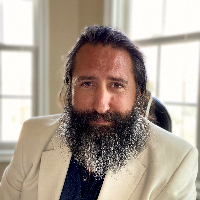
About Randolph
Prof. Randolph (Randy) Beasley is an LMFT - Licensed Marriage and Family Therapist in California with five years of clinical experience. He works with adults facing stress, anxiety, relationship challenges, addiction, grief, depression, parenting strains, and blended family issues among other concerns. Randy blends practical goals with a person-focused approach to help people get clearer about what they want to change.
Randy trained first in business and theology before completing a Master of Arts in Marriage and Family Therapy at Touro University. He previously worked as a pastor and camp director, and has held roles in community clinics, substance use treatment settings, a state hospital, and a jail. That background shaped his interest in addiction, trauma, and family-related work.
His style is client-centered and goal-oriented. He describes using solution-focused work, cognitive behavioral methods, and existential ideas to identify patterns and try different practices. Sessions typically focus on specific, practical steps people can use between meetings.
Randy has experience with trauma-focused cognitive behavioral methods, the Gottman Method, crisis intervention training, and motivational values tools. He aims to help people change thinking and behavior patterns that keep problems repeating. He also offers coaching-style supports alongside psychotherapy when that fits a person’s goals.
People come to him for help with blending households, parenting pressures, co-parenting conflict, intimacy concerns, and the strain of life changes. He works with adults to set clear goals, practice new approaches, and track progress over time.
How his approaches translate to online sessions
Client-centered therapy focuses on the person in front of the therapist. It emphasizes listening, reflecting, and shaping goals that matter to the individual. This approach helps when someone wants a practical, collaborative way to address relationship or parenting stress.Cognitive behavioral therapy (CBT) looks at thoughts and behaviors that keep problems going. Sessions use concrete exercises and homework to test new ways of thinking. CBT is often used for anxiety, depression, addiction, and daily coping skills.
Dialectical behavior therapy (DBT) adds skills for managing strong emotions and improving communication. It teaches specific tools for distress tolerance and emotional regulation that can be practiced between meetings.
Picking the right approach is part of the work. The therapist will talk with the client about goals, preferences, and the issues at hand, then recommend methods to try. That decision is collaborative and can change as progress is tracked.
Confirm which session formats are offered before booking, since the biography does not list formats. Online therapy can make it easier to fit sessions into a busy schedule, allow shorter check-ins when needed, and remove travel time. It also lets people use video when they want face-to-face contact or audio when bandwidth or a quicker check-in is preferred.
Areas of expertise
Primary focus
Also works with
Additional focus areas
Therapeutic approaches
Experience
5+ years
Listed in
California, Alaska
Languages
English
Frequently asked questions
What kinds of problems does he help with?
He works with adult concerns such as stress, anxiety, depression, addiction, grief, relationship strains, parenting pressures, and blended family issues.
What is his therapeutic style like?
His approach is client-centered and goal-oriented, using solution-focused steps and cognitive behavioral techniques to change thinking and behavior patterns.
How much clinical experience does he have?
He has five years of experience as an LMFT in California and additional prior roles in ministry and community services that inform his practice.
What are his credentials and where is he based?
He is an LMFT licensed in California and practices from a California location.
Does he offer sessions in other languages or to international clients?
Sessions are offered in English and he accepts international clients.
Which session formats does he use?
Please confirm current session formats before booking, as the biography does not specify the exact options offered.
How are sessions paid for and what does it cost?
Cost varies with location; sessions use a subscription that can be canceled at any time.
How do I get started working with him?
Use the See online therapy options button, complete a short matching questionnaire, and schedule a first session.
Online talk therapy is for adults and is not emergency care, mediation or legal advice. If you or a child are in danger, use the emergency numbers. Find someone else by name.