- CBT strategies
- Mindfulness skills
- Motivational interviewing
About Paula
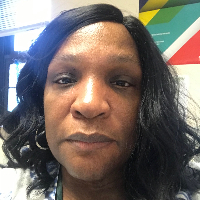
Paula Odom is a Licensed Clinical Social Worker (LCSW) in New York with six years of experience. She works with adults facing stress, anxiety, depression, parenting challenges, relationship concerns, and grief. Her profile also notes work around trauma and abuse, addiction, and issues connected to identity and discrimination.
Paula uses straightforward talk therapy rooted in client-centered and cognitive-behavioral ideas. Sessions focus on practical steps, coping skills, and clearer communication. She also draws on dialectical behavior strategies and mindfulness to help manage strong emotions and reduce reactivity.
Many people seek her help when life changes bring tension at home. That includes blended family issues such as merging routines, loyalty conflicts, or negotiating co-parenting with an ex. Paula helps individuals sort through these problems, set boundaries, and develop realistic plans for daily life.
She also supports those dealing with caregiver stress, adoption and foster care concerns, attachment questions, and the emotional fallout of discrimination or multicultural stress. Work may include skill-building, problem-solving, and addressing patterns that keep problems repeating.
Paula emphasizes collaboration in sessions. She listens, suggests clear strategies, and adjusts the work based on what is helpful. People who want concrete tools for managing emotions, improving communication, or getting through a major transition may find this approach useful.
How her approaches are used in online sessions
Paula uses client-centered methods that focus on the person’s priorities and what they want to change. That means conversations center on the client's goals, and the therapist follows the client's lead while offering feedback and options.Cognitive Behavioral Therapy (CBT) is used to identify unhelpful thoughts and try small experiments to change them. CBT is helpful for anxiety, depression, and patterns that keep repeating in relationships and daily routines.
Dialectical Behavior Therapy (DBT) provides concrete skills for managing intense emotions, tolerating distress, and improving communication. These skills can be useful for dealing with heated moments in blended households or high-stress periods.
Finding the right approach is part of the work. The therapist will collaborate with the client to choose strategies that match their goals, needs, and preferences. Plans can shift as progress is made or new issues appear.
The biography does not list specific session formats, so confirm current online options before booking. Online work can make it easier to fit therapy into a busy week, allow shorter check-ins when needed, and avoid travel time. It also supports continuing care when life changes make in-person sessions harder to schedule.
Areas of expertise
Primary focus
Also works with
Additional focus areas
Therapeutic approaches
Experience
6+ years
Listed in
New York
Languages
English
Frequently asked questions
What concerns does she work with?
She works with stress, anxiety, depression, parenting challenges, trauma and abuse, addictions, relationship and intimacy issues, grief, caregiver stress, and related concerns including blended family issues.
What is her therapeutic style?
Her style blends client-centered care with cognitive-behavioral and dialectical behavior ideas. Sessions focus on practical skills, problem solving, and managing strong emotions.
How much experience does she have?
She has six years of clinical experience as a Licensed Clinical Social Worker in New York.
What are her credentials and location?
She holds the LCSW credential and practices in New York.
Which languages are supported and can international clients connect?
Sessions are offered in English and she accepts international clients.
What formats are used for sessions?
The biography does not specify session formats. Confirm current session options before booking.
How are fees handled?
Cost varies with location and sessions use a subscription model that can be canceled at any time.
How do I begin working with her?
Select the See online therapy options button, complete a short matching questionnaire, and schedule a first session.
Online talk therapy is for adults and is not emergency care, mediation or legal advice. If you or a child are in danger, use the emergency numbers. Find someone else by name.