- CBT techniques
- Client-centered work
- Narrative approaches
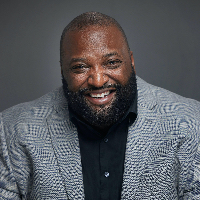
About Patrick
Dr. Patrick Casthely is a Licensed Mental Health Counselor (LMHC) based in Florida with 30 years of experience. He works with adults on stress, anxiety, addiction, relationship concerns, grief, trauma and abuse, depression, and many other life changes. Sessions are offered in English and he does not work with international clients.
Dr. Casthely uses a mix of clinical approaches rather than one fixed method. He draws on client-centered ideas and cognitive techniques to address thoughts and behaviors. He also uses existential and narrative elements when people want to make meaning of difficult events.
In practice he focuses on practical talk and problem solving. Conversations look at patterns of thinking, the stories people tell themselves, and small behavior changes that help day-to-day functioning. He also addresses addiction-related issues and stress from caregiving or health problems.
People who contact him can expect a collaborative pace. He discusses goals, checks progress, and adjusts the approach if something is not working. He aims to reduce shame around difficult topics like kink, blended family tensions, or intimacy concerns.
His background includes long experience in community mental health, substance abuse treatment, and private practice. That range has exposed him to different life situations and practical solutions for parenting stress, career strain, and relationship conflict.
Therapeutic approaches and working online
Dr. Casthely commonly uses Client-Centered Therapy, Cognitive Behavioral Therapy (CBT), and Narrative Therapy in his work. Client-Centered Therapy emphasizes listening and building a respectful relationship so the client can lead the pace and topics. CBT focuses on identifying unhelpful thoughts and testing small behavior changes to reduce symptoms of anxiety, depression, or addictive patterns. Narrative Therapy looks at the stories people carry about themselves and helps rewrite those stories so they fit current goals better.Choosing an approach is a collaborative process. He will discuss goals and preferences and try different techniques to see what helps. Adjustments happen as progress is reviewed so the work stays practical and focused on real-life problems like blended household stress or parenting challenges.
Session logistics should be confirmed before booking since formats are not specified here. Ask about the available online options when you set up the first appointment. Online sessions can make it easier to fit therapy into a busy schedule, shorten check-ins when needed, and let someone join from a quieter spot without a long commute.
Areas of expertise
Primary focus
Also works with
Additional focus areas
Therapeutic approaches
Experience
30+ years
Listed in
Florida
Languages
English
Frequently asked questions
What kinds of problems does he address?
He works with stress, anxiety, addictions, relationship issues, depression, trauma and many life changes including blended family issues and parenting strain.
What is his therapeutic style?
He uses an eclectic, client-centered approach that mixes cognitive behavioral, narrative, and existential ideas to focus on thinking patterns and meaningful change.
How much experience does he have?
He has 30 years of clinical experience across community mental health, substance abuse treatment, and private practice.
What are his credentials and where is he based?
He is a Florida LMHC and practices from Florida.
Does he offer sessions in other languages or to international clients?
Sessions are offered in English. He is not accepting international clients.
What session formats are available?
Please confirm current session options before booking to learn which formats are offered for this therapist.
How does pricing work?
Cost varies with location; sessions use a subscription that can be canceled at any time.
How do I begin working with him?
Use the See online therapy options button, complete the short matching questionnaire, and schedule a first session.
Online talk therapy is for adults and is not emergency care, mediation or legal advice. If you or a child are in danger, use the emergency numbers. Find someone else by name.