- Stress and anxiety
- Parenting concerns
- CBT and DBT skills
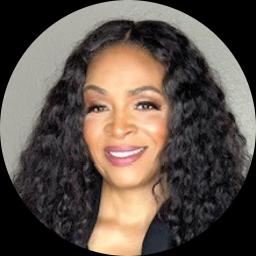
About Monica
Monica Farrer is a Licensed Clinical Mental Health Counselor (LCMHC) in North Carolina with 11 years of professional experience. She works with adults facing stress, anxiety, depression, addictions, relationship and parenting concerns, and other life changes including grief and trauma. Monica also lists blended family issues among her focus areas, and she offers help for caregiver stress, guilt, and problems that cross multiple areas of life.
Monica uses practical, evidence-informed approaches in session. She draws on Client-Centered Therapy to listen and respond to what matters most to each person. She uses Cognitive Behavioral Therapy (CBT) to spot and change unhelpful thinking and behavior patterns. Dialectical Behavior Therapy (DBT) skills and mindfulness are part of her toolkit for managing intense emotions and building coping skills.
Sessions move at a steady, work-focused pace. Monica will talk through immediate concerns, try small experiments between meetings, and teach skills that can be used at home. She mixes short-term problem solving and longer-term pattern work depending on what the person wants to address.
Her background spans clinical settings where she supported people with addiction, mood disorders, trauma, and family conflict. That experience informs how she responds to people juggling parenting duties, co-parenting with an ex, or navigating life in a blended household.
Monica conducts sessions in English and practices under her North Carolina LCMHC credential. Cost varies by location and sessions use a subscription that can be canceled at any time. To begin, a prospective client completes a short matching questionnaire and schedules a first session.
How her approaches translate to online work
Monica commonly uses Client-Centered Therapy and Cognitive Behavioral Therapy in session. Client-Centered Therapy means the therapist listens closely and helps people clarify what they want to change. It is useful for sorting through relationship and parenting concerns. CBT focuses on spotting thoughts and behaviors that keep problems going and then trying different ways of thinking and acting. It is effective for anxiety, depression, and sleep problems.She also uses Dialectical Behavior Therapy (DBT) skills and mindfulness to help manage intense emotions and improve day-to-day coping. DBT skills teach concrete practices for handling strong feelings, reducing impulsive actions, and improving communication. Mindfulness techniques help people notice reactions and choose a different response when needed.
Finding the right mix of methods is part of the work. Monica will talk with each person about goals and preferences and select approaches together. That collaborative process helps decide whether to focus on short-term problem solving, skills practice, or deeper pattern work.
The biography does not list specific online session formats, so confirm the options before booking. Online sessions can make it simpler to fit meetings into a busy week, allow shorter check-ins when time is tight, and remove travel time. Ask about the session length and scheduling when completing the matching questionnaire so arrangements fit daily life.
Areas of expertise
Primary focus
Also works with
Additional focus areas
Therapeutic approaches
Experience
11+ years
Listed in
North Carolina
Languages
English
Frequently asked questions
What concerns does she work with?
Monica works with stress, anxiety, depression, addictions, relationship and parenting concerns. She also lists blended family issues and caregiver stress among her focus areas.
What is her therapeutic style?
She uses a practical mix of Client-Centered Therapy, CBT, DBT and mindfulness. Sessions focus on listening, skill building, and short experiments to try between meetings.
How much experience does she have?
She has 11 years of professional experience working in clinical settings. That background includes work with addiction, mood disorders, trauma, and family conflict.
What are her credentials and location?
She is an LCMHC licensed in North Carolina. Sessions are provided under that credential and operate from that state context.
Does she offer sessions in other languages or internationally?
Sessions are offered in English. She is not currently accepting international clients.
What formats are available for sessions?
Please confirm current session options before booking, as the biography does not list specific formats. The profile advises checking the online therapy options panel to see how sessions are offered.
How does cost and payment work?
Cost varies with location and sessions use a subscription model that can be canceled at any time. Exact fees are provided during the sign-up process.
How do I start working with her?
Begin by selecting the See online therapy options button, completing a short matching questionnaire, and scheduling a first session.
Online talk therapy is for adults and is not emergency care, mediation or legal advice. If you or a child are in danger, use the emergency numbers. Find someone else by name.