- Attachment-Based Therapy
- Cognitive Behavioral Therapy
- Mindfulness strategies
About Michelle
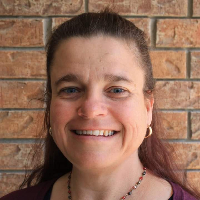
Dr. Michelle Dobson is a Licensed Professional Counselor (LPC) in Arkansas with ten years of clinical experience. She holds a master's degree in mental health counseling and a PhD in counselor education and supervision. She works with people facing stress, anxiety, depression, parenting challenges, relationship and family problems, trauma, grief, and mood concerns including bipolar disorder.
Dr. Dobson uses straightforward conversation to help people set clear goals and move toward them. She pays attention to past experiences to help explain current patterns, but most sessions focus on practical steps for the future. Communication skills and relationship habits are frequent topics in her work.
She also draws on attachment-focused ideas to look at how early relationships shape expectations in adult life. Cognitive Behavioral Therapy ideas are used to spot unhelpful thoughts and try new behaviors. Mindfulness and motivational strategies are brought in to help with stress, motivation, and day-to-day coping.
The profile notes a specific interest in blended family issues, including merging routines, loyalty conflicts, co-parenting with ex-partners, and the challenges of becoming a stepparent. She also lists attachment issues, abandonment, caregiver stress, and young adult concerns among her focus areas.
Dr. Dobson describes her approach as collaborative and strengths-based. Sessions aim to identify existing strengths and turn them into practical plans. People who want a mix of goal-setting, skill practice, and reflection may find this approach useful.
How her approaches translate to online work
Dr. Dobson often uses Attachment-Based Therapy to map relationship patterns and how they affect current family roles. This approach looks at how early bonds shape expectations and helps people adjust relationship habits that cause conflict or distance.She also uses Client-Centered Therapy to keep sessions focused on the person's priorities. That means conversations are guided by the client's goals, with the therapist listening and reflecting to help clarify next steps. Cognitive Behavioral Therapy is used to identify unhelpful thoughts and test small behavior changes that can reduce anxiety or improve communication.
Finding the right mix of approaches is part of the work. The therapist will talk with the client about goals, try methods that fit those goals, and adapt based on what helps. This is a collaborative process aimed at practical changes rather than fixed techniques.
Session logistics should be confirmed before booking, since this profile does not list specific online session formats. Online work can make it easier to fit appointments into busy family schedules, allow shorter check-ins when needed, and reduce travel time. Discussing timing and format during the first steps helps make sessions fit everyday life.
Areas of expertise
Primary focus
Also works with
Additional focus areas
Therapeutic approaches
Experience
10+ years
Listed in
Arkansas
Languages
English
Frequently asked questions
What kinds of problems does she address?
She works with stress, anxiety, depression, relationship and family problems, parenting challenges, trauma and grief, mood disorders, and related concerns such as ADHD and compassion fatigue.
How would she describe her therapy style?
She combines attachment-informed thinking with client-centered and cognitive-behavioral methods. The focus is on clear goals, communication skills, and practical steps.
How much clinical experience does she have?
She has ten years of experience working in counseling and mental health settings.
What are her credentials and where is she licensed?
She is a Licensed Professional Counselor (LPC) licensed in the State of Arkansas.
Does she offer sessions in other languages or to international clients?
Sessions are offered in English only and international clients are not accepted at this time.
What session formats does she use?
Confirm current session options before booking, as this profile does not list specific session formats.
How are fees handled?
Cost varies by location, and sessions use a subscription that can be canceled at any time.
How do I begin working with her?
Select the See online therapy options button, complete a short matching questionnaire, and schedule a first session.
Online talk therapy is for adults and is not emergency care, mediation or legal advice. If you or a child are in danger, use the emergency numbers. Find someone else by name.