- Trauma Supportive Therapy
- Acceptance and Commitment Therapy
- Blended family issues
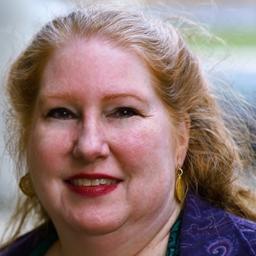
About Margaret
Margaret Johnston is a Licensed Mental Health Counselor (LMHC) in Florida with 11 years of clinical experience. She works with adults facing stress, anxiety, trauma and abuse, grief, depression, relationship and intimacy concerns, and challenges like ADHD and bipolar disorder. Her practice notes a particular focus on blended family issues and other relationship transitions.
She trained at the University of North Florida, earning a Master of Clinical Psychotherapy in 2013, and completed a nine-month Clinical Pastoral Education internship focused on deep listening. Early work included time in a program for military veterans where she practiced careful, sustained listening.
In sessions she uses Trauma Supportive Therapy to approach painful memories at a pace the client can tolerate. She emphasizes listening, reflecting feelings, and identifying unmet emotional needs. The goal is to help people name their values and build steps toward meaningful daily life without being repeatedly derailed by past hurts.
Her methods draw on Acceptance and Commitment Therapy (ACT), Cognitive Behavioral Therapy (CBT), Attachment-Based Therapy, Client-Centered Therapy, and Emotionally-Focused Therapy (EFT). She combines these approaches with culturally aware, strength-based work that acknowledges the impact of race and identity when that is important to the client.
Margaret notes inclusive clinical openness to people in LGBTQA communities, polyamorous relationships, kink and alternative sexual cultures. She frames herself as a guide who listens and helps people plan, set goals, and practice different ways of responding to stress and relationship strain.
Therapeutic approaches used in online sessions
Acceptance and Commitment Therapy (ACT) focuses on clarifying personal values and taking committed steps toward them while learning to live with difficult thoughts and feelings. It can help with anxiety, depression, and decisions that come up in blended households.Attachment-Based Therapy looks at how early relationship patterns affect current connections and reactions. It can be useful for people noticing loyalty conflicts, trust issues, or recurring cycles in relationships after a household change.
Margaret treats finding the right approach as a collaborative process. She will work with each person to match methods to their needs, goals, and preferences. That means trying ideas, checking what helps, and adjusting the plan together rather than committing to one single pathway from the start.
Session logistics should be confirmed before booking because the biography does not list specific formats. Ask which session types are offered and how they fit into your routine. Online work can make it easier to fit meetings around school runs, work breaks, or caregiving, and some formats use less bandwidth or allow shorter check-ins when those are needed. Discuss practical scheduling and format questions when you complete the matching questionnaire so arrangements reflect your daily life.
Areas of expertise
Also works with
Additional focus areas
Therapeutic approaches
Experience
11+ years
Listed in
Florida
Languages
English
Frequently asked questions
What kinds of problems does she help with?
She works with stress, anxiety, trauma and abuse, grief, depression, relationship and intimacy concerns, eating and body image issues, bipolar and ADHD, and related areas such as blended family issues.
What is her therapeutic style?
She practices person-centered therapy and uses Trauma Supportive Therapy alongside ACT, CBT, Attachment-Based work, and EFT to listen, reflect feelings, and help plan next steps.
How long has she been practicing?
She has 11 years of clinical experience, including graduate training and a nine-month Clinical Pastoral Education internship in deep listening.
What credential does she hold and where is she based?
She is a Florida LMHC and practices from Florida.
Are sessions available in languages other than English?
Sessions are offered in English.
Can international clients work with her?
She accepts international clients, so people outside the U.S. can inquire about working together.
How are sessions scheduled and what does it cost?
Costs vary with location and sessions use a subscription that can be canceled at any time; exact pricing depends on where the client is located.
How do I begin a first session?
Use the See online therapy options button, complete a short matching questionnaire, and then schedule a first session.
Online talk therapy is for adults and is not emergency care, mediation or legal advice. If you or a child are in danger, use the emergency numbers. Find someone else by name.