- Client-centered focus
- Cognitive behavioral tools
- Faith integrated options
About John
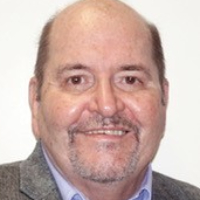
Rev. John Reid is an LCMHC (Licensed Clinical Mental Health Counselor) based in North Carolina with 25 years of counseling experience. He focuses on stress, anxiety, relationships, family concerns, grief, parenting, trauma and abuse, and several mood and behavioral concerns such as bipolar disorder and ADHD. He works with English-speaking clients, including people from other countries.
Reid listens closely and keeps conversations direct. Sessions often involve talking through current problems, spotting patterns that cause stress, and practicing concrete skills to manage distress. He draws on approaches such as client-centered work, cognitive behavioral techniques, and elements from dialectical behavior therapy to help people change unhelpful thinking and behavior.
His background includes pastoral work beginning in 1968 and decades of service in churches and mental health settings across western North Carolina. He earned a master’s degree in counseling in 1976 and holds the NC LCMHC credential. He has provided counseling in community agencies, residential programs for teenage boys, public schools, and international work with English speakers.
Reid describes forgiveness and learning from mistakes as important parts of recovery. For clients who request it, he integrates Christian counseling practices and may use the Bible as a resource in a respectful way. He stresses listening without judgment and practical steps people can use day to day.
People often come to him for help with blended family issues, divorce and separation, parenting strain, communication problems, anger, and coping with life changes. He aims to help individuals sort through specific problems and find manageable steps forward.
Therapeutic approaches used online and what they look like
Client-centered therapy focuses on listening closely and reflecting what the client says. It helps people feel understood and then move toward practical solutions they choose.Cognitive behavioral therapy (CBT) looks at the links between thoughts, feelings, and actions. It uses clear techniques for changing unhelpful thinking and practicing different behaviors to reduce anxiety, low mood, and conflict.
Dialectical behavior therapy (DBT) offers skills for managing strong emotions, improving interpersonal effectiveness, and tolerating distress. It can be useful when anger, relationship friction, or intense mood swings get in the way of daily life.
Finding the right approach is part of the work. The therapist will collaborate with the client to decide which methods fit their concerns, goals, and preferences. That choice can shift as progress is made or new issues emerge.
Confirm the available session formats before booking, since the biography does not list specific options. Online work can make it easier to fit counseling into a busy life - for example, shorter check-ins during a break, sessions that avoid travel time, or options that reduce the need to be on camera. Licensed professionals aim to help people apply therapeutic skills in their everyday routines rather than promising a particular outcome.
Areas of expertise
Primary focus
Also works with
Additional focus areas
Therapeutic approaches
Experience
25+ years
Listed in
North Carolina
Languages
English
Frequently asked questions
What kinds of concerns does he address?
He works with stress, anxiety, relationship and family concerns, grief, parenting, trauma and abuse, mood issues including bipolar and depression, ADHD, and related problems such as anger and low self-esteem.
How would he describe his therapeutic approach?
He uses a client-centered stance and practical techniques drawn from cognitive behavioral therapy and dialectical behavior therapy to help people change thinking and behavior and manage strong emotions.
What is his background and experience?
He has 25 years as a professional counselor plus long experience in pastoral roles since 1968, work in residential and school settings, and international counseling with English speakers in many countries.
What credential does he hold and where is he based?
He is an LCMHC (Licensed Clinical Mental Health Counselor) licensed in North Carolina and practices from that state.
In which languages can sessions be held?
Sessions are offered in English for both domestic and international clients.
What session formats are offered?
The original biography does not list specific session formats; please confirm current session options before booking.
How does payment and cost work?
Cost varies by location and sessions use a subscription that can be canceled at any time.
How do I begin working with him?
Select the See online therapy options button, complete a short matching questionnaire, and schedule a first session.
Online talk therapy is for adults and is not emergency care, mediation or legal advice. If you or a child are in danger, use the emergency numbers. Find someone else by name.