- CBT methods
- Client-centered care
- Solution-focused work
About Hope
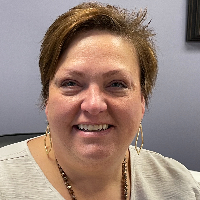
Hope Spencer is a Licensed Professional Counselor (LPC) in Mississippi with 22 years of clinical experience. She works with adults on common concerns such as stress, anxiety, depression, anger, ADHD, relationship issues, trauma and grief. Hope also lists blended family issues among her areas of focus.
She begins by building a solid working relationship. After that, she selects approaches that fit the problem at hand. Those may include cognitive behavioral techniques, client-centered conversations, solution-focused work, or mindfulness practices. Sessions are practical and goal-oriented rather than abstract.
Hope emphasizes listening and straightforward feedback. She draws on long professional experience and personal perspective to help people sort priorities, manage emotions, and make clearer choices. Expect clear explanations of tools and steps you can try between meetings.
For someone navigating a stepparent role, shared parenting with an ex, or merging households, she focuses on everyday problems: timing, routines, boundaries, loyalty conflicts, and communication. Conversations address what to try now and how to handle common setbacks.
Her style favors short-term skills when needed and a broader exploration for deeper issues. She can teach breathing and attention strategies, spot patterns that keep problems repeating, and offer small experiments that test different ways of responding. The work aims to reduce overwhelm and improve day-to-day functioning.
How Hope uses practical approaches in online sessions
Hope commonly draws on cognitive behavioral therapy and client-centered therapy during online work. CBT looks at thoughts and behaviors and provides concrete exercises to test and change unhelpful patterns; it is often used for anxiety, depression, anger, and attention challenges. Client-centered therapy focuses on listening, reflecting, and building a strong working relationship so clients can clarify their own goals and decisions.She also uses mindfulness techniques to help with stress and emotional regulation when that fits a person’s needs. Mindfulness practices here include attention and breathing exercises that can reduce reactivity and make it easier to try new responses at home.
Deciding which approach to use is collaborative. The therapist will talk about goals, try a method, and adjust if it does not fit. That process helps people find tools that match their situation and values.
Session formats are not listed in the biography, so confirm current session options before booking. Online work can make it easier to fit therapy into busy schedules and to have shorter check-ins when needed. It also allows practicing skills in the real-life places where problems happen without promising any particular format.
Areas of expertise
Primary focus
Also works with
Additional focus areas
Therapeutic approaches
Experience
22+ years
Listed in
Mississippi
Languages
English
Frequently asked questions
What concerns does she address related to blended households?
She lists blended family issues and helps with parenting tensions, loyalty conflicts, co-parenting friction, and adjusting routines.
What is her general therapy style?
She starts by building a working rapport and then uses practical methods like CBT, solution-focused work, and client-centered conversations.
How much experience does she have?
She has 22 years of experience working as a counselor in clinical settings.
What are her credentials and where is she based?
She is a Licensed Professional Counselor (LPC) based in Mississippi.
Which languages are sessions offered in?
Sessions are offered in English only.
Does she work with international clients?
International clients are not currently accepted.
How does pricing work?
Cost varies with location and sessions use a subscription that can be canceled at any time.
How do I begin working with her?
Select the See online therapy options button, complete a short matching questionnaire, and schedule a first session.
Online talk therapy is for adults and is not emergency care, mediation or legal advice. If you or a child are in danger, use the emergency numbers. Find someone else by name.