- Anxiety and depression
- Blended family issues
- CBT and DBT approaches
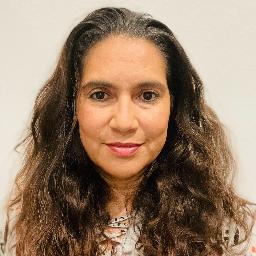
About Diana
Diana Perez-Curry is a Licensed Clinical Social Worker (LCSW) in Florida with eight years of clinical practice. She speaks English and Spanish. She helps people who are dealing with anxiety, depression, parenting strains, trauma, relationship and family issues, and concerns common in blended households.
Diana listens for what matters in day-to-day life. She focuses on specific problems like stress, low self-esteem, anger, and intimacy concerns. She also works with issues such as abandonment, attachment, adoption and foster care, and challenges that come up during divorce or separation.
Her approach uses clear, behavior-focused methods. Diana draws from Cognitive Behavioral Therapy (CBT) to identify and change unhelpful thoughts and actions. She also uses Dialectical Behavior Therapy (DBT) skills for mood regulation and Acceptance and Commitment Therapy (ACT) to help clients notice what they care about and take steps toward it.
Sessions aim to be practical and goal-oriented. Diana uses Client-Centered techniques so clients shape the work. She can also apply Emotionally-Focused Therapy ideas when relationship patterns and emotional responses are central concerns.
People who reach out can expect a mix of skill building, short-term problem solving, and attention to deeper trauma when needed. Diana accepts international clients and offers services in both English and Spanish. Costs vary by location and use a subscription that can be canceled at any time. To begin, select the See online therapy options button, complete a short matching questionnaire, and schedule a first session.
Therapeutic approaches and how online sessions work
Diana commonly uses Cognitive Behavioral Therapy (CBT) and Acceptance and Commitment Therapy (ACT). CBT is practical and focuses on changing unhelpful thoughts and behaviors, which suits anxiety, depression, and everyday stress. ACT helps people clarify their values and commit to steps that match those values, which can assist with relationship choices and life transitions.Finding the right approach is part of the work. Diana will discuss goals, preferences, and what has or hasn’t helped before. Together the client and therapist decide which methods to try and adjust them over time based on progress and feedback.
Session formats are not listed in the original biography, so confirm current options before booking. Online sessions can make it easier to fit therapy into a busy schedule, reduce travel time, and allow a quicker check-in during a break. They also let bilingual services be scheduled in English or Spanish and let the clinician apply CBT, DBT, ACT, or client-centered techniques in a way that fits the client’s day-to-day life.
Areas of expertise
Primary focus
Also works with
Additional focus areas
Therapeutic approaches
Experience
8+ years
Listed in
Florida
Languages
English, Spanish
Frequently asked questions
What kinds of problems does she address?
Diana works with anxiety, depression, trauma, parenting challenges, relationship and family concerns, and issues common in blended households.
How would she describe her therapeutic style?
She uses practical, skills-based methods such as Cognitive Behavioral Therapy and Dialectical Behavior Therapy alongside client-centered approaches.
What is her clinical background?
She is a Licensed Clinical Social Worker with eight years of experience working in clinical settings.
Where is she licensed to practice?
She holds an LCSW credential in Florida.
Which languages are supported during sessions?
Sessions are offered in English and Spanish.
Can international clients work with her?
Yes, she accepts international clients.
How are sessions priced?
Cost varies with location and sessions use a subscription that can be canceled at any time.
How do I start a first session?
Select the See online therapy options button, complete a short matching questionnaire, and schedule a first session.
Online talk therapy is for adults and is not emergency care, mediation or legal advice. If you or a child are in danger, use the emergency numbers. Find someone else by name.