- Client-Centered Therapy
- Cognitive Behavioral Therapy
- Solution-Focused Therapy
About Demetria
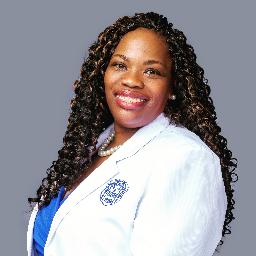
Demetria Powell-Harrison is a Licensed Clinical Social Worker (LCSW) based in North Carolina with 14 years of clinical experience. She works with adults on concerns such as anxiety, depression, relationship and family stress, grief, trauma and abuse, parenting challenges, and life transitions. Sessions focus on practical steps and clear goals rather than jargon or lengthy theory.
Her style is conversational and interactive. She listens and helps people untangle patterns that affect current choices. Expect straightforward talk about what is happening now and small experiments to try between sessions.
Demetria draws on Client-Centered Therapy to keep conversations focused on the client’s perspective. She uses Cognitive Behavioral Therapy (CBT) to help people spot unhelpful thoughts and test new behaviors. Solution-Focused Therapy helps set short-term goals and measure progress.
She also integrates Motivational Interviewing to support shifts in motivation, and Mindfulness Therapy practices when grounding and awareness are helpful. The mix changes based on what a person needs in the moment.
People come to her for a range of concerns including ADHD, compassion fatigue, intimacy-related issues, anger, self-esteem, career worries, blended family issues, and caregiving stress. She aims to make planning realistic and directly useful for day-to-day life.
To begin, clients complete a short intake and pick an initial session. The focus early on is establishing clear goals and deciding which strategies to try first.
Approaches used and how online sessions fit
Demetria commonly uses Cognitive Behavioral Therapy and Solution-Focused Therapy in her work. CBT helps people notice and test thoughts that feed anxiety or low mood, and then try different behaviors to see what changes. Solution-Focused Therapy concentrates on setting clear, short-term goals and tracking small, practical steps that lead to measurable progress.She also draws on Client-Centered Therapy to keep conversations grounded in the client's experience. That approach prioritizes listening and adjusting the plan to match what the person says they need. Deciding which approaches to use is collaborative; she will work with each person to choose methods that fit their goals and preferences.
Session formats are not listed in the biography, so confirm current session options before booking. Many people find online sessions help fit therapy into busy schedules, allow shorter check-ins during a break, or reduce travel time. The focus is on making therapy practical and usable in everyday life rather than on a single prescribed format.
Areas of expertise
Primary focus
Also works with
Additional focus areas
Therapeutic approaches
Experience
14+ years
Listed in
North Carolina
Languages
English
Frequently asked questions
What concerns does she address?
She works with adults on anxiety, depression, relationship and family stress, trauma, grief, parenting strain, ADHD, and related concerns including blended family issues.
How would you describe her therapeutic style?
Her style is conversational and interactive with a focus on practical steps. She helps people identify patterns and try small experiments between sessions.
How much experience does she have?
Demetria has 14 years of clinical practice as an LCSW and over 20 years working with individuals toward their goals in various roles.
What are her credentials and where is she based?
She holds an LCSW credential and practices in North Carolina.
Which languages are sessions offered in?
Sessions are offered in English.
Does she work with international clients?
International clients are not currently accepted.
What does therapy cost and how are payments handled?
Cost varies with location and sessions use a subscription model that can be canceled at any time.
How do I get started with a first session?
Click the See online therapy options button, complete a short matching questionnaire, and schedule your first session.
Online talk therapy is for adults and is not emergency care, mediation or legal advice. If you or a child are in danger, use the emergency numbers. Find someone else by name.