- Client-centered methods
- Cognitive behavioral work
- EMDR and mindfulness
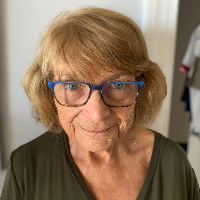
About Deborah
Deborah Hilyard is a Florida LMHC with 34 years of clinical experience. She earned her graduate degree in counseling from the University of Memphis in 1988 and has provided mental health services in a variety of settings since then.
She has worked in university career counseling, in military family centers with U.S. Air Force and U.S. Navy personnel, and within the foster care system doing comprehensive assessments. Over her career she has supported people dealing with stress, anxiety, trauma and abuse, anger, depression, addictions, relationship and family concerns, grief, and caregiving strain. Her background includes work with service members and survivors of abuse.
Her approach mixes client-centered methods with cognitive behavioral techniques, EMDR, mindfulness, and motivational interviewing. Sessions emphasize practical conversation, skill-building, and clear steps clients can try between meetings. Deborah adapts the focus to what each person says is most important.
She has experience addressing parenting and blended family issues and helps people work through communication problems, loyalty conflicts, and changes that come with remarriage or new households. She also supports people facing career stress, sleep and eating concerns, and attention-related struggles.
Deborah draws on decades of varied work to shape pragmatic sessions. She aims to reduce overwhelming moments by breaking problems into manageable pieces and teaching concrete strategies. To begin, readers are invited to use the site's matching and scheduling tools to request a first appointment.
Therapeutic approaches and remote sessions
Deborah uses client-centered work and cognitive behavioral therapy in many sessions. Client-centered work focuses on listening and building a collaborative conversation so the person sets the pace. Cognitive behavioral therapy looks at thoughts and behaviors and teaches practical skills to change unhelpful patterns, which can help with anxiety, depression, and stress.She also uses EMDR for trauma-related concerns when appropriate. EMDR involves structured recall with guided techniques aimed at easing the emotional impact of past events and is often used for trauma and abuse recovery.
Finding the right approach is part of the work together. The therapist will talk with the person about goals, symptoms, and preferences and then recommend ways to proceed. That plan can change as needs shift during treatment, keeping the process collaborative.
Confirm current session formats before booking so you know what is offered. Online sessions can make it easier to fit meetings into a busy schedule, reduce travel time, and allow shorter check-ins when that suits a workday. Phone or video sessions vary in how they feel for each person, so discussing format options during the first appointment helps match practical needs with therapeutic goals.
Areas of expertise
Primary focus
Also works with
Additional focus areas
Therapeutic approaches
Experience
34+ years
Listed in
Florida
Languages
English
Frequently asked questions
What kinds of problems does she address?
She helps with stress, anxiety, trauma and abuse, anger, depression, addictions, relationship and family concerns, grief, caregiving strain, and related issues listed on her profile.
What is her therapy style like?
Her sessions are interactive and practical, using client-centered conversation alongside cognitive behavioral tools and other techniques to develop actionable steps.
How much experience does she have?
She has 34 years of experience in counseling, including work in university settings, military family centers, and the foster care system.
What are her credentials and where is she based?
She is an LMHC licensed in Florida and provides services listed from that location.
Does she speak other languages or see international clients?
Sessions are offered in English and she does not accept international clients at this time.
Which session formats are offered?
Confirm current session options before booking to know whether remote or other formats are available for you.
How much do sessions cost?
Cost varies with location; sessions operate through a subscription model that can be canceled at any time.
How do I begin working with her?
Select the See online therapy options button, complete a short matching questionnaire, and schedule a first session through the site.
Online talk therapy is for adults and is not emergency care, mediation or legal advice. If you or a child are in danger, use the emergency numbers. Find someone else by name.