- Cognitive Behavioral Therapy
- Blended family issues
- Parenting and grief
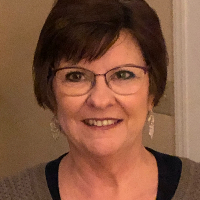
About Debbie
Debbie Esque is a Licensed Clinical Mental Health Counselor (LCMHC) in North Carolina with 20 years of clinical experience. She sees adults dealing with stress, anxiety, mood disorders including bipolar and depression, grief, relationship and intimacy concerns, parenting strains, ADHD, and the challenges of blended family life.
Debbie uses Cognitive Behavioral Therapy (CBT) as a core method to help people identify unhelpful thoughts and try different behaviors. She also draws on rational emotive ideas and an integrative stance to shape each session around practical goals. Sessions are direct when needed and include clear feedback alongside attentive listening.
Her work emphasizes getting a straightforward understanding of what someone wants from therapy. That starts with asking practical questions about daily routines, parenting or stepfamily dynamics, and specific problems a person hopes to change. Goals are set in simple terms so progress can be tracked between sessions.
Debbie's background includes two decades of work with a wide range of ages and life situations. She notes experience with adoption and foster care, autism spectrum concerns, divorce and separation, and coping after disasters. She also addresses issues like shame, guilt, isolation, and life purpose.
Clients can expect clear communication about goals and methods in the first sessions. To begin, prospective clients follow the site process to answer a short matching questionnaire and schedule a first appointment through the online options provided.
How Debbie works with CBT online
Debbie lists Cognitive Behavioral Therapy (CBT) as her main clinical approach. CBT focuses on spotting patterns of thinking that contribute to stress or low mood and testing new ways of reacting. It is often used for anxiety, depression, obsessive patterns, and mood regulation.She also references rational emotive ideas and an integrative approach. Rational emotive methods look at beliefs that fuel emotional responses and help replace rigid thoughts with more flexible ones. An integrative stance means she may draw on more than one method to address a person’s goals in practical ways.
Finding the right approach is part of the work. The therapist will discuss goals, symptoms, and daily routines and then help decide which methods fit best. That choice is collaborative and can be adjusted as progress is reviewed.
The original biography did not list specific online session formats. Please confirm the session formats offered before booking. Online sessions can make it easier to fit appointments into a busy schedule, permit shorter check-ins when needed, and reduce travel time so therapy is more practical day to day.
Areas of expertise
Primary focus
Also works with
Additional focus areas
Therapeutic approaches
Experience
20+ years
Listed in
North Carolina, New Jersey, New Hampshire
Languages
English
Frequently asked questions
What kinds of concerns does she address?
She works with stress, anxiety, bipolar and depression, grief, parenting and relationship issues, and blended family concerns among other areas.
What style of therapy does she use?
The primary approach listed is Cognitive Behavioral Therapy (CBT). She also uses rational emotive ideas and an integrative approach to shape sessions around concrete goals.
How much experience does she have?
She brings 20 years of clinical experience working with people from varied backgrounds and age groups.
What are her credentials and where is she based?
She is an LCMHC with licensure in New Hampshire (NH LCMHC) and North Carolina (NC LCMHC). Her practice is based in North Carolina.
Does she offer sessions in other languages or to international clients?
Sessions are offered in English and international clients are not currently accepted.
What session formats are available?
The original biography does not list specific session formats. Please confirm current session options before booking.
How does billing and cost work?
Cost varies with location and sessions use a subscription that can be canceled at any time.
How do I begin working with her?
Start by selecting the See online therapy options button, completing a short matching questionnaire, and scheduling the first session through the site process.
Online talk therapy is for adults and is not emergency care, mediation or legal advice. If you or a child are in danger, use the emergency numbers. Find someone else by name.