- ACT methods
- CBT strategies
- Client-centered care
About Danielle
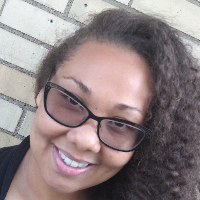
Danielle Williams is a Licensed Clinical Social Worker (LCSW) in Pennsylvania with 12 years of experience. She works with adults facing stress, anxiety, depression, bipolar disorder, addictions, trauma, grief, relationship and intimacy concerns, and issues around parenting and blended families.
She meets people who are coping with big life changes and persistent mental health needs. Danielle listens to each person's story and helps identify practical next steps. Sessions focus on what is most pressing and on skills that can help day to day.
Her style blends straightforward conversation with evidence-based approaches. Danielle draws on cognitive behavioral strategies and acceptance-based techniques to help people notice patterns and try new responses. She also uses client-centered methods to keep sessions grounded in the person’s goals.
She offers tools for managing anger, improving sleep, addressing attention and concentration difficulties, and coping with caregiver stress or chronic illness. Danielle also supports people dealing with relationship strain, communication problems, and commitment concerns that often come up in blended households.
When someone starts with her they can expect focused talk, collaborative planning, and skill practice between sessions. The aim is to make everyday life more manageable and to reduce the impact of the problems that feel most overwhelming.
Therapeutic approaches and online sessions
Danielle integrates Acceptance and Commitment Therapy and Cognitive Behavioral Therapy into her practice. ACT focuses on clarifying what matters to a person and building small actions toward those values, which can help with anxiety, low mood, and life transitions. CBT looks at how thoughts, behaviors, and feelings interact and teaches practical skills for changing unhelpful patterns, useful for panic, depression, sleep difficulties, and anger.Finding the right approach is part of the work. The therapist will collaborate with each person to choose or blend methods based on needs, goals, and personal preference rather than prescribing a single path. This means trying techniques, reviewing what helps, and adjusting the plan together.
Confirm the session formats offered before booking to match the logistics you need. Online sessions can make it easier to fit therapy into a busy routine, allow shorter check-ins when schedules are tight, and remove travel time so work or caregiving obligations are easier to manage. Licensed professionals can use these options to keep momentum between appointments and practice skills in daily life.
Areas of expertise
Primary focus
Also works with
Additional focus areas
Therapeutic approaches
Experience
12+ years
Listed in
Pennsylvania
Languages
English
Frequently asked questions
What concerns does she address?
She works with stress, anxiety, depression, bipolar disorder, addictions, trauma, grief, relationship and intimacy issues, parenting challenges, and blended family concerns among other topics.
What is her therapeutic style?
Sessions combine client-centered listening with practical methods from CBT and ACT, and may include DBT and Gottman ideas when relevant.
How long has she practiced?
She has 12 years of clinical experience working with people who have persistent mental health needs and those facing life transitions.
Where is she licensed and based?
She is a Pennsylvania LCSW and practices from that state.
Which languages are supported?
Sessions are offered in English, and she accepts international clients.
What session formats are offered?
Confirm current session options before booking to make sure the format fits your situation.
How does pricing work?
Cost varies with location and sessions use a subscription that can be canceled at any time.
How do I begin working with her?
Select the See online therapy options button, complete the short matching questionnaire, and schedule a first session.
Online talk therapy is for adults and is not emergency care, mediation or legal advice. If you or a child are in danger, use the emergency numbers. Find someone else by name.