- CBT methods
- Client-centered work
- Narrative approaches
About Cindy
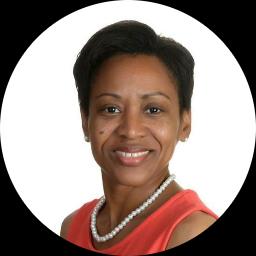
Dr. Cindy George is a counsellor registered with the British Association for Counselling and Psychotherapy (BACP) with 25 years of experience. She works with a wide range of concerns including stress, anxiety, depression, addictions and relationship difficulties, and has an additional focus on blended family issues and parenting challenges.
She draws on several therapy styles and keeps sessions practical. That can mean talking through thoughts and patterns, spotting what makes situations worse, and practising new ways of responding. She also uses narrative approaches to look at how stories about relationships shape behaviour.
Her background spans private practice, community mental health, substance misuse services, psychiatric settings, schools and workplaces. That variety informs a pragmatic approach to everyday problems such as communication problems, commitment worries and handling major life changes.
In sessions she aims to help people increase self-awareness and change unhelpful behaviour patterns. Work may include improving communication skills, addressing intimacy and trust concerns, and managing mood symptoms so daily life is easier to handle.
Dr George trained through doctoral, masters and bachelor programmes in counselling and psychology. She combines talking therapies with structured techniques when that matches a person’s goals. To begin, clients are asked to complete a short questionnaire so sessions can be matched to their needs and preferences.
How her approaches translate to online work
Dr George uses client-centred work to focus on what matters to the person. That approach involves listening to the person's concerns and shaping sessions around their priorities. It suits issues where understanding personal goals and values is important, such as life changes or commitment questions.She also uses Cognitive Behavioural Therapy (CBT) to identify thoughts and behaviours that keep problems going. CBT involves simple exercises and experiments people can try between sessions, which can help with anxiety, mood problems and panic symptoms. Dialectical Behaviour Therapy (DBT) techniques are used when stronger emotion regulation or distress tolerance skills are needed; these are practical coping tools people can practise in daily life.
Finding the right approach is collaborative. The therapist will talk with the person about goals and try different methods to see what fits. That means plans can change as needs become clearer and as progress is reviewed.
Session formats are not listed in the biography, so confirm the current options before booking. Online working can make it easier to fit appointments into a busy week, allow shorter check-ins when time is limited, or reduce travel for those juggling work and family. Many people find written exercises, homework tasks and brief skill practices transfer well to remote sessions and daily routines.
Areas of expertise
Primary focus
Also works with
Additional focus areas
Therapeutic approaches
Experience
25+ years
Listed in
United Kingdom
Languages
English
Frequently asked questions
What kinds of issues does she help with?
She works with stress, anxiety, depression, relationship and intimacy concerns, addictions and a broad set of family and life challenges including blended family issues.
What is her general therapeutic style?
Her style is practical and person-focused, using client-centred conversation alongside structured techniques from CBT and DBT when useful.
How long has she been practising?
She has 25 years of professional experience across private practice, community mental health, substance misuse centres, psychiatric settings, schools and workplaces.
Which professional credential does she hold?
She is registered with the British Association for Counselling and Psychotherapy (BACP) and practises in the United Kingdom.
Can sessions be held in other languages or internationally?
Sessions are offered in English, and she accepts international clients.
What session formats are available?
Confirm current session options before booking as the biography does not specify formats.
How much do sessions cost?
Cost varies with location; sessions use a subscription that can be cancelled at any time.
How do I start working with her?
Select the See online therapy options button, complete a short matching questionnaire, and schedule a first session.
Online talk therapy is for adults and is not emergency care, mediation or legal advice. If you or a child are in danger, use the emergency numbers. Find someone else by name.