- CBT strategies
- Emotion-focused work
- Motivational interviewing
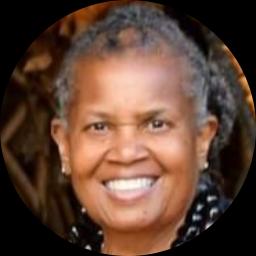
About Carol
Dr. Carol Bunch is a Licensed Clinical Mental Health Counselor (LCMHC) and a Licensed Professional Counselor (LPC) practicing in North Carolina. She has worked in counseling since 1999 and brings 25 years of experience to problems like substance use, depression, anxiety and relationship strain. Carol lists blended family issues among her focus areas and helps people dealing with grief, trauma, anger, and life transitions.
She offers direct, practical conversations about what is happening now. Sessions look at behaviors, patterns, and the choices people make in close relationships. Carol uses clear strategies from Cognitive Behavioral Therapy and Motivational Interviewing to address addictive behaviors and mood problems. She also uses Emotionally-Focused Therapy and trauma-focused work when relationship wounds or past harm are central.
People who come to her often need help with communication, boundaries, and making new routines after separation or remarriage. She pays attention to family-of-origin patterns and how they affect current parenting and partner roles. Practical steps and small behavior changes are common parts of the work.
Her background includes training in domestic violence, sexual assault, substance use, and career counseling. That experience informs how she approaches safety, choice, and recovery. She speaks English and practices in North Carolina as noted by her NC LCMHC and TX LPC credentials.
Her approach aims to sort immediate problems first, then build on coping skills and relationship repair. People are invited to try a first session, see how the style fits, and then plan ongoing work based on clear goals and what helps in daily life.
How her approaches translate to online work
Dr. Bunch uses Cognitive Behavioral Therapy to help people notice unhelpful thoughts and change behaviors. CBT is commonly used for anxiety, depression, and coping with life changes. She also uses Emotionally-Focused Therapy to look at how emotions shape interactions and attachment patterns, which is useful when relationship wounds affect day-to-day life.Choosing a method is collaborative. She will discuss your situation, goals, and preferences and then recommend approaches to try. The first sessions are often about clarifying problems and deciding what combination of techniques will be most useful going forward.
Confirm current session options before booking, as specific formats are not listed here. Online sessions can make it easier to fit counseling into a busy schedule, reduce travel time, and allow brief check-ins when needed. They can also support steady work on communication and coping skills across the week without requiring a physical office visit.
Areas of expertise
Primary focus
Also works with
Additional focus areas
Therapeutic approaches
Experience
25+ years
Listed in
North Carolina, Virginia, New Hampshire, Texas
Languages
English
Frequently asked questions
What concerns does she address?
She works with stress, anxiety, addictions, relationship problems, depression, trauma, grief, anger, and blended family issues among other areas.
What is her therapeutic style?
Her style mixes practical CBT techniques with emotionally-focused work and motivational interviewing to address behavior and relationship patterns.
How long has she been practicing?
She has 25 years of counseling experience, in private practice since 1999, with additional work in domestic violence and sexual assault.
What are her credentials and location?
She holds NC LCMHC and TX LPC credentials and practices in North Carolina.
Which languages are supported?
Sessions are offered in English.
Can she work with people outside the United States?
International clients are not currently accepted.
How are sessions arranged and paid for?
Cost varies with location and sessions use a subscription model that can be canceled at any time.
How do I begin?
Use the See online therapy options button, complete the short matching questionnaire, and schedule a first session.
Online talk therapy is for adults and is not emergency care, mediation or legal advice. If you or a child are in danger, use the emergency numbers. Find someone else by name.