- stress and anxiety
- blended family issues
- mindfulness and CBT
About Brooke
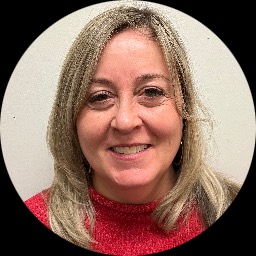
Brooke Ayoub is a licensed mental health counselor (LMHC) in New York with five years of clinical experience. She works with adults facing stress, anxiety, relationship and family concerns, trauma and abuse, mood disorders, and issues around self-esteem and life changes. Brooke also supports people dealing with parenting stresses, intimacy-related issues, career questions, and blended family challenges.
She trained at SUNY University at Buffalo and has worked in mental health settings across Erie and Niagara County. That work included crisis intervention and supporting people with severe mental health diagnoses such as bipolar disorder, schizophrenia, anxiety, depression, and post-traumatic stress. Her background includes vocational rehabilitation, helping people with mental health diagnoses move into employment.
Brooke brings therapeutic tools drawn from Acceptance and Commitment Therapy, client-centered therapy, cognitive behavioral therapy, existential therapy, and EMDR. She incorporates mindfulness, meditation, and yoga-informed practices into sessions when clients find those techniques helpful. Sessions emphasize practical skills and clear next steps rather than abstract theory.
Her approach is trauma-informed and oriented toward problem-solving. Brooke focuses on what clients want to change and on small, manageable steps toward those goals. She talks through coping strategies, communication techniques, and ways to reduce overwhelm in daily life.
For someone joining therapy from a blended household, she offers straightforward help with stepfamily stress, co-parenting friction, shifting routines, loyalty conflicts, and establishing new roles. Brooke asks about immediate concerns, clarifies goals, and works with each person to build usable strategies for home and work.
How Brooke Uses Evidence-Based Approaches Online
Acceptance and Commitment Therapy (ACT) helps people notice unhelpful thoughts and choose actions that align with their values. It can be useful for anxiety, stress, and making clearer decisions about relationships and parenting. Cognitive Behavioral Therapy (CBT) focuses on the links between thoughts, feelings, and actions and teaches practical skills to change unhelpful patterns. It is often used for anxiety, depression, and managing daily stress. Client-Centered Therapy emphasizes respect for the person's perspective and supports self-directed problem solving; it can help when someone needs a space to sort priorities and build confidence.Brooke treats finding the right approach as a collaborative process. She will talk with each person about their goals and preferences, try methods that feel workable, and adapt based on what helps. The plan changes if something is not fitting or producing useful steps for daily life.
Confirm current session options before booking so you know which online formats are offered. Online work can make fitting therapy into a busy week easier, allow shorter check-ins when schedules are tight, and let someone use audio-only when bandwidth or camera time is a problem. Licensed professionals can still practice concrete skills, process strong experiences, and plan behavioral steps in remote sessions, with the same focus on practical changes that Brooke emphasizes in her in-person work.
Areas of expertise
Primary focus
Also works with
Additional focus areas
Therapeutic approaches
Experience
5+ years
Listed in
New York
Languages
English
Frequently asked questions
What kinds of problems does she help with?
She works with stress, anxiety, depression, trauma and abuse, relationship and family concerns, low self-esteem, parenting pressures, and blended family issues among other concerns.
How would she describe her therapeutic style?
She uses practical, problem-focused methods drawn from Acceptance and Commitment Therapy, client-centered therapy, and cognitive behavioral therapy, alongside mindfulness and yoga-informed practice.
What is her clinical background?
Brooke has five years of experience and has worked in crisis intervention and settings serving people with serious mental health diagnoses, including bipolar disorder and PTSD.
Where is she licensed to practice?
She is a Licensed Mental Health Counselor (LMHC) in New York and practices with a focus on clients living in that state.
Does she offer sessions in other languages or to international clients?
Sessions are offered in English only, and she is not currently accepting international clients.
What session formats are available?
Confirm current session options before booking to be sure of the formats Brooke is offering at the time you schedule.
How are fees handled?
Cost varies with location; sessions use a subscription model that can be canceled at any time.
How do I begin if I want to work with her?
Use the See online therapy options button, complete the short matching questionnaire, and schedule a first session.
Online talk therapy is for adults and is not emergency care, mediation or legal advice. If you or a child are in danger, use the emergency numbers. Find someone else by name.