- Attachment-based work
- Cognitive techniques
- Emotionally focused methods
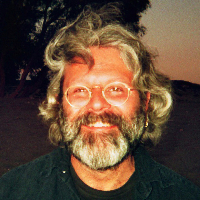
About Walter
Walter "Baruch" Zeichner is an LPC (Licensed Professional Counselor) and LCMHC (Licensed Clinical Mental Health Counselor) practicing in New Mexico with forty years of experience. He helps people facing stress, anxiety, grief, depression, relationship difficulties, and a wide range of life changes. He also lists blended family issues among his focus areas and works with individuals and couples.
He began practicing in the early 1980s and learned from a group of therapists using several approaches. That background led him to use talk therapy, creative methods, body-centered work, cognitive techniques, and hypnosis as tools he may draw on in sessions. He is also trained as a career counselor and brings that perspective to work on work and life transitions.
Sessions are guided by what the person wants to achieve. He aims to help people manage symptoms, process past events, and develop practical coping skills. Conversations can include exploring relationship patterns, attachment concerns, and emotional responses that affect everyday life.
Over decades of practice he has helped people handle trauma, addictions, intimacy-related problems, and caregiving stress. He lists additional focuses such as aging and geriatric issues, chronic illness, and forgiveness, which inform how he frames treatment goals.
People can expect a range of methods rather than a single fixed style. He uses elements from Attachment-Based Therapy, Client-Centered Therapy, Cognitive Behavioral Therapy, Dialectical Behavior Therapy, and Emotionally-Focused Therapy as appropriate. The therapist works collaboratively to set goals and adjust methods as needs change.
Therapeutic approaches used in online sessions
Walter uses Attachment-Based Therapy, Client-Centered Therapy, and Cognitive Behavioral Therapy as core references for online work. Attachment-Based Therapy looks at how early relationship patterns affect current bonds and helps with trust and closeness issues. Client-Centered Therapy focuses on listening and following the person's lead so they can set the pace and goals for their work. Cognitive Behavioral Therapy (CBT) identifies unhelpful thinking and behavior patterns and teaches concrete skills to change them.Deciding which approach to use is a collaborative process. The therapist will discuss goals and preferences and then suggest methods that fit the person's situation. Adjustments are common as progress and needs become clearer over time.
The biography does not list specific session formats, so confirm current options before booking. Online work can make it easier to fit sessions into a busy schedule, allow shorter check-ins when time is limited, and reduce travel time. Licensed professionals can use these formats to support work on relationship patterns, blended family concerns, grief, anxiety, and practical coping skills without requiring a fixed onsite visit.
Areas of expertise
Primary focus
Also works with
Additional focus areas
Therapeutic approaches
Experience
40+ years
Listed in
Vermont, Oregon, New Mexico
Languages
English
Frequently asked questions
What kinds of problems does he address?
He works with stress, anxiety, depression, grief, relationship issues, addictions, trauma, and many life changes including blended family concerns.
What is his general approach in sessions?
He combines talk therapy with practical techniques from cognitive and emotion-focused work and adapts methods to each person's needs.
How long has he been practicing?
He has been a therapist since the early 1980s and brings around 40 years of clinical experience.
What are his credentials and where is he based?
He holds LPC and LCMHC credentials and practices in New Mexico.
Which languages are supported?
Sessions are offered in English.
Does he see people outside the United States?
He does not accept international clients at this time.
How are sessions scheduled and what formats are used?
Confirm current session options before booking since the biography does not list specific formats.
How are fees handled and how do I begin?
Costs vary with location and sessions use a subscription that can be canceled at any time. To start, select the See online therapy options button, complete the short matching questionnaire, and schedule a first session.
Online talk therapy is for adults and is not emergency care, mediation or legal advice. If you or a child are in danger, use the emergency numbers. Find someone else by name.