- Client-Centered Therapy
- Cognitive Behavioral Therapy
- Anger and addiction focus
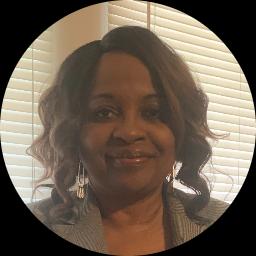
About Vanessa
Vanessa Upshire-Tribble is a licensed clinical social worker (LCSW) in North Carolina with five years of professional experience. She works with adults who are managing stress, anxiety, depression, anger, trauma, addiction, and family concerns. Vanessa also lists blended family issues and drug and alcohol addiction among her focus areas.
She approaches sessions from a client-centered stance. That means she treats the person in front of her as the expert on their life. She listens for strengths and builds on what already works, rather than starting from a list of deficits.
Vanessa also uses cognitive behavioral therapy, or CBT, when it fits the concern. In practice that can mean spotting patterns of thought and behavior that keep problems going and trying small, practical changes to test new ways of coping. She aims for concrete, step-by-step strategies for things like anxiety, anger, and addictive habits.
In sessions she talks through what matters most to each person. She helps set realistic goals and checks in on progress. People can expect direct conversation about triggers, routine changes, and manageable actions to try between meetings.
Signing up for therapy is described as a first step. Vanessa offers straightforward guidance for people ready to work on emotion regulation, substance concerns, or the stresses of blended households. She focuses on practical support and clear next steps.
Approaches used for online sessions
Vanessa works from a client-centered approach, which focuses on listening and following each person's priorities. That approach is about identifying strengths and using them to address problems in day-to-day life.She also uses cognitive behavioral therapy (CBT). CBT helps people notice unhelpful thought patterns and try small behavioral experiments. It is commonly used for anxiety, anger, depression, and habits linked to substance use.
Choosing the right approach is part of therapy. Vanessa will discuss goals and preferences and then suggest approaches that fit. That decision is collaborative and can change as needs evolve.
The original biography does not list specific online session formats, so confirm current options before booking. Online sessions can make it easier to fit meetings into busy schedules, shorten commute time, and allow focused check-ins between other responsibilities. They can also make it simpler to try brief skill practice or homework between meetings without rearranging a full day.
Areas of expertise
Primary focus
Also works with
Additional focus areas
Therapeutic approaches
Experience
5+ years
Listed in
North Carolina
Languages
English
Frequently asked questions
What kinds of concerns does she address?
She works with stress, anxiety, depression, trauma and abuse, anger, addictions, and general family concerns. Blended family issues and drug and alcohol addiction are listed as additional focus areas.
What is her therapeutic style like?
Her practice is client-centered, so she treats the client as the expert on their life. She combines that with CBT techniques to test small, practical changes in thoughts and behaviors.
How much experience does she have?
She has five years of professional practice as an LCSW working with the listed concerns.
What credential does she hold and where is she based?
She is an LCSW licensed in North Carolina and provides services from that state.
Are sessions offered in any languages besides English?
Sessions are offered in English only and international clients are not currently accepted.
What session formats are available?
The original biography does not specify session formats, so confirm current session options before booking to know if they meet your needs.
How are fees handled?
Cost varies with location, and sessions use a subscription that can be canceled at any time.
How do I begin working with her?
Use the See online therapy options button, complete the short matching questionnaire, and schedule a first session.
Online talk therapy is for adults and is not emergency care, mediation or legal advice. If you or a child are in danger, use the emergency numbers. Find someone else by name.