- ACT and CBT methods
- Attachment-informed care
- Faith optional support
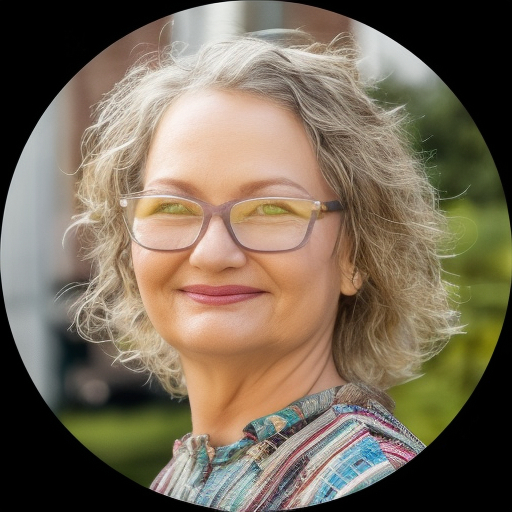
About Tracey
Tracey Bratton is an LCSW - Licensed Clinical Social Worker in Arkansas with 12 years of clinical practice. She also brings three decades of nursing experience to her work. Tracey lists stress, anxiety, trauma and abuse, parenting, depression, compassion fatigue, addictions, grief, anger, self esteem, career issues, coping with life changes, coaching, and ADHD among her main concerns.
Tracey uses a person-centered approach and draws on cognitive behavioral techniques and mindfulness strategies. Attachment-based ideas inform how she talks about relationships and patterns. She describes her work as trauma-responsive and strengths-focused, which means she pays attention to past hurt while helping people build useful daily skills.
Faith-related support is available if a client wants it, such as Scripture reflection or values-grounded discussion. That option is always client-led and optional. Tracey emphasizes a steady, paced style that follows each person’s goals and preferences rather than imposing a set path.
Her background in nursing and gerontology shapes how she understands long-term care, caregiver strain, and aging issues. She also has experience with adoption and foster care concerns, attachment issues, blended family issues, and hospice and end-of-life counseling. Practical problem solving and coping strategies are common components of her sessions.
Outside of clinical work she describes family life, faith, and small creative projects as personal anchors. She presents a straightforward approach focused on skills, perspective, and restoring balance in daily life.
Approaches you might use and what online work looks like
Acceptance and Commitment Therapy (ACT) helps people notice difficult thoughts and feelings without getting stuck in them and focus on actions that match personal values. ACT can be useful for anxiety, stress, and navigating life changes.Attachment-Based Therapy looks at how early relationship patterns shape current connections. It can help people understand loyalty conflicts, communication problems, and blended family dynamics by naming patterns and trying new ways of relating.
Finding the right approach is part of the work. Tracey will collaborate with each person to decide which methods fit their goals, pace, and preferences. That collaborative process means checking in about what helps and adjusting strategies over time.
Session logistics should be confirmed before booking because specific formats are not listed in the profile. Online work can make it easier to schedule sessions around busy days, fit brief check-ins during a break, or avoid travel time. It can also allow using mindfulness exercises, behavioral homework, and values-based planning in ways that fit everyday life. Ask about the exact session options when you complete the matching questionnaire so you know how meetings will be arranged.
Areas of expertise
Primary focus
Also works with
Additional focus areas
Therapeutic approaches
Experience
12+ years
Listed in
Arkansas
Languages
English
Frequently asked questions
What kinds of concerns does she work with?
She lists stress, anxiety, trauma and abuse, parenting, depression, compassion fatigue, addictions, grief, anger, self esteem, career issues, coping with life changes, coaching, and ADHD among her main areas.
How would she describe her therapeutic style?
Her style is person-centered and trauma-responsive. She uses strengths-based support and practical skills from CBT and mindfulness.
What is her clinical experience?
She has 12 years of clinical experience and three decades of nursing experience, with work related to gerontology and caregiver education.
What are her credentials and location?
She is an LCSW - Licensed Clinical Social Worker licensed in Arkansas.
Which languages are supported?
Sessions are offered in English.
Can international clients work with her?
International clients are not currently accepted.
How are sessions arranged and what formats are offered?
Confirm current session options before booking by using the online scheduling flow; the profile does not list specific session formats.
How are fees handled and how do I begin?
Cost varies with location and sessions use a subscription that can be canceled at any time. To start, select the See online therapy options button, complete the short matching questionnaire, and schedule a first session.
Online talk therapy is for adults and is not emergency care, mediation or legal advice. If you or a child are in danger, use the emergency numbers. Find someone else by name.