- ACT and CBT
- Attachment focus
- English and Korean
About Sung
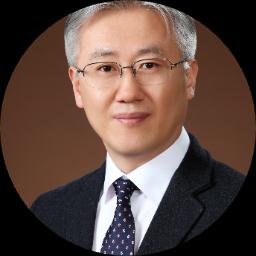
Dr. Sung Ho Kim is a NY Psychoanalyst with 30 years of clinical experience. He practices in New York and works with adults facing stress, anxiety, relationship problems, trauma and abuse, grief, and depression.
He offers straightforward, practical sessions aimed at helping people handle everyday pressure and painful events. He listens for patterns that keep repeating and helps clients try different ways of responding. He also addresses issues such as abandonment, attachment concerns, blended family issues, and caregiving strain.
In sessions he uses several evidence-informed approaches. These include Acceptance and Commitment Therapy (ACT), Cognitive Behavioral Therapy (CBT), Dialectical Behavior Therapy (DBT), Attachment-Based Therapy, and Client-Centered Therapy. He combines elements from these approaches to focus on what the client wants to change or understand.
Dr. Kim works with English and Korean speakers and accepts international clients. He emphasizes practical skills alongside exploration of past experiences. Typical aims include reducing symptoms, improving relationships, and finding clearer priorities.
To begin, clients complete a short matching questionnaire and schedule a first session. He notes that fees vary with location and that sessions use a subscription that can be canceled at any time.
How therapeutic approaches translate to online work
Acceptance and Commitment Therapy (ACT) helps people notice difficult thoughts without getting stuck in them and choose actions that reflect personal values. It is often used for anxiety, stress, and life purpose concerns.Cognitive Behavioral Therapy (CBT) focuses on identifying unhelpful thinking and behavior patterns and trying concrete changes. It is commonly used for depression, anxiety, and coping with stressful situations.
Finding the right approach is part of the work. The therapist will talk with the client about goals, test a method, and adjust based on how well it helps. That collaborative process means techniques can be mixed to fit what the person needs over time.
Confirm current session formats before booking, as the biography does not list specific online formats. Online sessions can make it easier to fit therapy into a busy day, allow shorter check-ins when needed, and avoid travel. They can also let people meet from a different location when scheduling or life circumstances make in-person visits difficult. Licensed professionals generally use these options to help clients maintain continuity of care and practice skills between sessions.
Areas of expertise
Primary focus
Additional focus areas
Therapeutic approaches
Experience
30+ years
Listed in
New York
Languages
English, Korean
Frequently asked questions
What concerns does he address?
He works with stress, anxiety, relationship issues, trauma and abuse, grief, and depression. He also focuses on related areas like abandonment, attachment issues, and blended family issues.
What is his therapeutic style?
He uses an integrative, practical approach drawing on ACT, CBT, DBT, Attachment-Based and Client-Centered methods. Sessions mix symptom-focused skills and exploration of life patterns.
How long has he been practicing?
He has 30 years of clinical experience working with adults on a range of emotional and relational concerns.
What are his credentials and location?
He is listed as NY Psychoanalyst 000245 and practices in New York.
Which languages are offered?
Sessions are offered in English and Korean.
Can international clients work with him?
He accepts international clients. Confirm current session options before booking.
How do payments and cost work?
Cost varies with location and sessions are provided through a subscription that can be canceled at any time.
What are the steps to get started?
Select the See online therapy options button, complete a short matching questionnaire, and schedule a first session.
Online talk therapy is for adults and is not emergency care, mediation or legal advice. If you or a child are in danger, use the emergency numbers. Find someone else by name.