- CBT methods
- DBT skills
- Mindfulness work
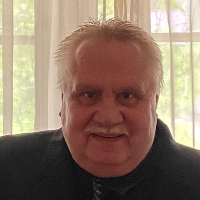
About Scott
Scott Heise is an Illinois LCPC - Licensed Clinical Professional Counselor - with 14 years of experience in mental health. He trained at Trinity International University and has worked largely within community mental health settings. He sees people for common concerns such as anxiety, depression, mood disorders, substance use, grief, trauma, and stress.
He takes a straightforward, goal-focused approach centered on the person in front of him. He uses client-centered methods alongside Cognitive Behavioral Therapy and Dialectical Behavior Therapy to help clients set practical goals. He also draws on motivational interviewing, existential ideas, and mindfulness techniques where they fit the work.
Sessions include talking through current problems and building skills for everyday life. He works on things like coping with change, sleep issues, anger, self-esteem, and career stress. He also supports people dealing with blended family issues and family-of-origin patterns that affect daily routines.
Scott can integrate a faith perspective when requested, including prayer and discussion of spiritual resources, while keeping the work focused on goals and next steps. He uses plain language and occasional humor in sessions.
His background includes long experience with trauma, addiction, bipolar disorder, and chronic health or caregiver stress. That history informs an approach that balances practical strategies with attention to difficult emotional material.
People who prefer clear aims, skill-building, and direct conversation may find his style a good fit. Prospective clients should confirm current session options before scheduling.
How Scott’s approaches translate to online work
Client-Centered Therapy focuses on listening and reflecting what matters to the client. It helps people clarify priorities and decide what they want to change. Cognitive Behavioral Therapy (CBT) breaks problems into thoughts, feelings, and behaviors and teaches practical skills to shift unhelpful patterns. CBT is often used for anxiety, depression, sleep problems, and managing mood. Dialectical Behavior Therapy (DBT) emphasizes concrete skills for emotion regulation, distress tolerance, and improving communication; it can help with anger, intense emotions, and coping under pressure.Finding the right mix of these approaches is part of the work. Scott will collaborate with each person to decide which methods fit their goals and daily life. That collaboration may mean trying a few techniques, tracking what helps, and adjusting the plan over time.
Confirm the specific session formats offered before booking. Online sessions can make it easier to fit therapy into a busy schedule, reduce travel time, and allow for brief check-ins when needed. Some formats also work better for lower bandwidth or for sessions that focus on skill practice without video. Discuss practical arrangements with Scott so sessions align with work, caregiving, or other responsibilities.
Areas of expertise
Primary focus
Also works with
Additional focus areas
Therapeutic approaches
Experience
14+ years
Listed in
Illinois
Languages
English
Frequently asked questions
What kinds of concerns does he address?
He works with stress, anxiety, depression, addictions, trauma and abuse, grief, sleeping problems, parenting strain, anger, self-esteem, career concerns, bipolar disorder, ADHD, and related issues.
How would you describe his therapeutic style?
He uses a client-centered, goal-oriented approach and applies CBT, DBT, mindfulness, motivational interviewing, and existential ideas as helpful.
How much experience does he have?
He has 14 years of experience working in community mental health and related settings.
What are his credentials and where is he based?
He is an Illinois LCPC (Licensed Clinical Professional Counselor) and is located in Illinois.
Which languages are supported for sessions?
Sessions are offered in English only.
Can international clients work with him?
He does not accept international clients at this time.
How are costs handled?
Cost varies by location and sessions use a subscription model that can be canceled at any time.
What are the first steps to start?
Choose the See online therapy options button, complete the brief matching questionnaire, and then schedule a first session.
Online talk therapy is for adults and is not emergency care, mediation or legal advice. If you or a child are in danger, use the emergency numbers. Find someone else by name.