- ACT strategies
- CBT techniques
- DBT skills
About Patricia
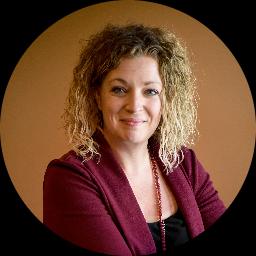
Patricia Presley is a Licensed Clinical Social Worker (LCSW) practicing in Illinois with five years of professional experience. She helps people facing stress, anxiety, grief, low self-esteem, depression, and major life changes. Patricia also supports those dealing with relationship and family concerns, career questions, and issues related to addiction and LGBT identity.
She frames therapy around the person's own story. Patricia treats clients as the expert on their life and looks for strengths to build on. Sessions are straightforward and focused on practical steps rather than abstract talk.
Her approach draws on methods like Acceptance and Commitment Therapy and Cognitive Behavioral Therapy to address unhelpful thoughts and patterns. She also uses Client-Centered and Dialectical Behavior Therapy ideas to help people notice values and manage intense emotions. This mix aims to help with coping skills, decision-making, and day-to-day functioning.
Patricia has particular experience with blended family issues, aging and geriatric concerns, caregiver stress, attachment difficulties, and the stresses that follow divorce or separation. She also works with people facing life purpose questions, guilt and shame, and end-of-life planning conversations.
Sessions focus on clear goals and practical strategies. Patricia encourages small, doable changes and checks progress regularly. To begin, readers are asked to use the site's online matching and scheduling tools so they can set up a first appointment.
Therapeutic approaches and online sessions
Acceptance and Commitment Therapy (ACT) helps people clarify what matters to them and take actions that match their values. It is often used for anxiety, stress, and life changes. Cognitive Behavioral Therapy (CBT) focuses on identifying unhelpful thoughts and testing them with small behavior changes to reduce symptoms like low mood and worry.Finding the right approach is part of the work. She will collaborate with clients to choose which methods to use based on goals, preferences, and what is actually helping in session. Adjustments are made over time so the plan fits day-to-day life.
Confirm current session formats before booking, as this profile does not list specific options. Online therapy can make it easier to fit appointments around work or caregiving by removing travel time and allowing shorter check-ins when needed. It also makes it possible to use written exercises, worksheets, and between-session practice in a way that matches a client's routine. Licensed professionals can help plan how to use sessions to address blended household concerns and other practical issues without promising particular formats.
Areas of expertise
Also works with
Additional focus areas
Therapeutic approaches
Experience
5+ years
Listed in
Missouri, Illinois
Languages
English
Frequently asked questions
What concerns does she help with?
She works with stress, anxiety, grief, depression, self-esteem, relationship and family concerns, addiction, career questions, and related areas such as blended family issues and caregiver stress.
What is her therapeutic style?
Her style is practical and person-focused. Sessions emphasize strengths, clear goals, and concrete skills drawn from ACT, CBT, Client-Centered work, and DBT ideas.
How much experience does she have?
She has five years of professional experience working with the concerns listed in her profile.
What are her credentials and location?
She is a Licensed Clinical Social Worker (LCSW) with licensure in Illinois and practices from that state.
Which languages are supported?
Sessions are offered in English only.
Can international clients work with her?
She does not accept international clients at this time.
How are sessions billed?
Cost varies with location. Sessions use a subscription model that can be canceled at any time.
How do I begin working with her?
Select the "See online therapy options" button, complete the short matching questionnaire, and then schedule a first session.
Online talk therapy is for adults and is not emergency care, mediation or legal advice. If you or a child are in danger, use the emergency numbers. Find someone else by name.