- ACT and CBT
- DBT skills
- Attachment focus
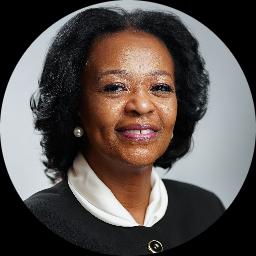
About Lucian
Lucian M McMillan-Cardona is a Licensed Clinical Social Worker (LCSW) practicing in Delaware with seven years of experience. She helps adults address stress, anxiety, addictions, depression, and major life changes. Her work also focuses on parenting, grief, trauma and abuse, ADHD, and blended family issues.
Lucian uses goal-oriented methods that link thoughts, feelings, and behavior. Sessions are practical and problem-focused. She draws on Acceptance and Commitment Therapy, Cognitive Behavioral Therapy, Dialectical Behavior Therapy, Attachment-Based and Client-Centered approaches.
Her style is direct and collaborative. She encourages clear goals and steps clients can try between sessions. That can mean practicing new communication habits, testing different routines, or using brief mindfulness skills to reduce reactivity.
Previous roles have exposed her to a range of settings and concerns. This background informs how she helps people manage career stress, caregiver strain, chronic illness, and co-occurring substance issues. She also supports people dealing with abandonment, adoption and foster care matters, and relationship communication problems.
Sessions focus on building practical skills and on understanding patterns that keep problems repeating. Lucian offers straightforward feedback and helps clients plan small, achievable changes. She welcomes questions about how therapy would fit a person’s day-to-day life.
How her approaches translate to online work
Acceptance and Commitment Therapy (ACT) focuses on clarifying values and taking committed action. It helps when life changes or blended household choices feel overwhelming and someone needs a clearer sense of priorities.Cognitive Behavioral Therapy (CBT) looks at the links between thoughts, feelings, and behavior. It supplies concrete exercises to change unhelpful thinking and to test new interaction patterns at home.
Dialectical Behavior Therapy (DBT) provides practical skills for managing strong emotions and improving communication. These skills can be useful for stress, anger, and high-conflict exchanges that arise in blended households.
Finding the right approach is part of the work. The therapist will collaborate with each person to pick methods that match their goals, needs, and preferences. That includes trying different techniques and adjusting the plan based on what helps most.
Confirm the exact session formats before booking since the biography does not list them. Online work can make it easier to fit sessions into a busy schedule, allow shorter check-ins when days are tight, and reduce travel time. Those practical benefits can make regular work on communication, parenting routines, and coping skills easier to maintain.
Areas of expertise
Primary focus
Also works with
Additional focus areas
Therapeutic approaches
Experience
7+ years
Listed in
Delaware
Languages
English
Frequently asked questions
What concerns does she address related to blended households?
She lists blended family issues alongside parenting, communication problems, and co-parenting stress as areas she works with.
What is her general therapy style?
Her approach is goal-oriented and directive, using practical problem-solving and skill practice between sessions.
How much clinical experience does she have?
She has seven years of professional experience in a variety of settings.
What credential and location are listed for this clinician?
She is a Delaware LCSW and practices in Delaware.
Which languages are supported and can she work across borders?
Sessions are offered in English and she accepts international clients.
What session formats are offered?
The original biography does not specify session formats; please confirm current session options before booking.
How are fees handled?
Cost varies with location and sessions use a subscription that can be canceled at any time.
How do I begin working with her?
Click the See online therapy options button, complete a short matching questionnaire, and schedule a first session.
Online talk therapy is for adults and is not emergency care, mediation or legal advice. If you or a child are in danger, use the emergency numbers. Find someone else by name.