- CBT methods
- DBT skills
- Mindfulness practice
About La
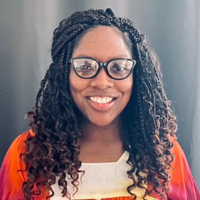
La Shekia Smith-Brown is a Licensed Clinical Social Worker (LCSW) practicing in Nevada with seven years in clinical work. She helps people facing stress, anxiety, trauma and abuse, parenting pressures, self-esteem struggles, depression, grief, and blended family issues. She also supports those managing mood disorders, ADHD, and career or financial stress.
Her style is direct and practical. She listens for clear concerns and works with clients to set short-term, workable goals. Sessions focus on problem solving, building coping skills, and improving daily routines that affect mood and relationships.
La Shekia uses a mix of approaches rather than a single method. She draws from Cognitive Behavioral Therapy to spot unhelpful thinking patterns. She uses Dialectical Behavior Therapy skills for emotional regulation and distress tolerance. Narrative and motivational techniques are woven in to help people reframe stories and find motivation to change.
Her background includes work in health and human services and roles that involved behavioral consultation and early intervention. That experience informs her practical focus on behavior, communication, and supports for people with intellectual disability or developmental differences.
Clients can expect clear steps and collaborative planning early on. She prefers live video sessions for engagement, and she asks people to confirm the current session options before booking. The emphasis is on manageable changes people can use between sessions.
How her therapeutic approaches translate to online sessions
La Shekia uses Cognitive Behavioral Therapy to help people notice and change unhelpful thoughts and behaviors; online sessions can focus on concrete skills and homework that fit into daily life. Dialectical Behavior Therapy provides practical techniques for managing intense emotions and improving regulation, which can be practiced between video meetings. Mindfulness methods are used to build attention and calm; these are taught in short exercises suited to remote sessions.Choosing the right approach is a collaborative process. She works with each person to decide which methods match their goals and preferences. Together they track what helps and adapt plans as needed rather than sticking to one single method.
Her biography shows a preference for live video conferencing, so confirm the current session options before booking. Online work can make it easier to fit therapy into a busy schedule, allow shorter check-ins when needed, and remove travel time. It also lets people practice new skills in the settings where they live and parent, then bring observations back to sessions for problem solving.
Areas of expertise
Primary focus
Also works with
Additional focus areas
Therapeutic approaches
Experience
7+ years
Listed in
Nevada, Arizona
Languages
English
Frequently asked questions
What kinds of problems does she help with?
She supports adults with stress, anxiety, trauma, depression, relationship and family concerns, and blended family issues.
How does she approach therapy?
She uses practical, goal-focused work. Sessions combine CBT, DBT skills, mindfulness, and narrative techniques to address thoughts, emotions, and behavior.
How much clinical experience does she have?
She has seven years of clinical experience and additional background in health and human services and behavioral consultation.
What are her credentials and where is she based?
She is an LCSW licensed in Arizona and Nevada and practices from Nevada.
Can people use languages other than English?
Sessions are offered in English.
Which session formats are offered?
Her biography indicates a preference for live video sessions; confirm current session options before booking.
How are sessions paid for?
Cost varies by location and sessions use a subscription that can be canceled at any time.
What do I do to start working with her?
Select the See online therapy options button, complete the short matching questionnaire, and schedule an initial session.
Online talk therapy is for adults and is not emergency care, mediation or legal advice. If you or a child are in danger, use the emergency numbers. Find someone else by name.