- cognitive methods
- coaching for work
- blended family issues
About Judith
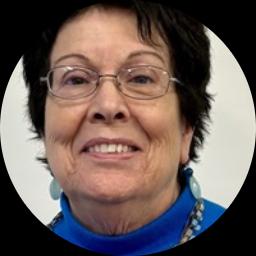
Judith Cantwell is an LPC (Licensed Professional Counselor) in Georgia with 40 years of clinical experience. She focuses on stress, anxiety, relationships, self-esteem, coping with life changes, and coaching. Judith works with adults who want practical help for everyday problems and relationship strains.
Her approach centers on cognitive methods that help people notice and change unhelpful thoughts. She uses straightforward conversation and active collaboration. Sessions often include practical strategies to manage worry, rebuild confidence, and handle relationship tensions.
Judith has long experience with adults across midlife and later years. She has also addressed caregiving stress, aging and geriatric issues, blended family issues, and the stresses that come with divorce or separation. Her background includes work with first responders and people facing substance use concerns.
Clients can expect direct, task-focused work that highlights small changes with real effects. Judith also draws on coaching skills for work and life planning when helpful. She frames therapy as problem-solving rather than abstract talk.
Her style is practical and conversational. She gives tools to use between sessions and checks progress as therapy continues. If someone needs support sorting relationship choices, coping with major life changes, or improving self-worth, she helps break those issues into manageable steps.
How cognitive methods and coaching translate to online work
Judith uses cognitive techniques that help people notice and change unhelpful thinking. That approach involves identifying common thought patterns, testing them, and practicing alternatives. It can help with anxiety, worry, self-esteem, and decision-making in blended household situations.She also brings coaching skills focused on work and life issues. Coaching here means setting clear goals, breaking them into steps, and tracking progress. That method supports people who want concrete plans for parenting roles, career moves, or routines in a merged household.
Choosing the right approach is a collaborative process. The therapist will work with each person to match methods to their needs, goals, and preferences. Together they decide which techniques to try and adjust them as work proceeds.
The biography does not list specific session formats, so confirm current online options before booking. Online sessions can make it easier to fit counseling into a busy schedule, allow shorter check-ins during a lunch break, or remove commute time. Licensed professionals can use these arrangements to keep regular appointments that fit everyday life.
Areas of expertise
Primary focus
Additional focus areas
Experience
40+ years
Listed in
Georgia
Languages
English
Frequently asked questions
What concerns does she address related to blended households?
She lists blended family issues among her focus areas and helps people work through stepfamily tensions and merged routines.
How would she describe her therapeutic style?
Her work is primarily cognitive and task-focused, using conversation and practical strategies to change unhelpful thoughts and behaviors.
How much experience does she bring to therapy?
She has 40 years of clinical experience working with adults on stress, relationships, self-esteem, and life transitions.
What are her credentials and where is she located?
She is an LPC, a Licensed Professional Counselor, practicing in Georgia.
Will sessions be conducted in other languages or internationally?
Sessions are offered in English and she is not accepting international clients at this time.
What session formats are used?
The original biography does not specify session formats; please confirm current session options before booking.
How are fees handled?
Cost varies with location and sessions use a subscription that can be canceled at any time.
How do I begin working with her?
Select the See online therapy options button, complete a short matching questionnaire, and schedule a first session.
Online talk therapy is for adults and is not emergency care, mediation or legal advice. If you or a child are in danger, use the emergency numbers. Find someone else by name.