- CBT methods
- ACT practices
- Attachment work
About Eugene
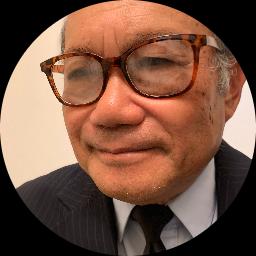
Eugene Yamamoto is a Licensed Clinical Social Worker (LCSW) in California with 30 years of experience. He works with adults who are dealing with stress, anxiety, low self-esteem, depression, and major life changes. He also offers coaching-style support for people aiming to improve motivation and confidence.
He starts by listening to each person’s story and noticing strengths that can be put to use. Sessions focus on clear, practical steps rather than jargon. Conversations usually cover current problems, patterns that keep those problems going, and small experiments to try between meetings.
His work draws from several evidence-based approaches. Cognitive Behavioral Therapy (CBT) is used to spot and shift thought and behavior patterns. Acceptance and Commitment Therapy (ACT) helps people clarify values and take actions that matter to them. He also uses Attachment-Based ideas to look at how early relationships affect present connections.
Eugene favors straightforward, skill-focused work when clients need tools for stress, anxiety, or coping with blended family issues and other relationship tensions. He pairs skills training with discussion about meaning and values when people face life transitions or identity questions.
Sessions are conversational and action-oriented. Clients can expect to leave with one or two practical tasks or experiments to try before the next meeting. The emphasis is on steady progress and building reliable ways to handle recurring difficulties.
Therapeutic approaches and online work
Many of his methods translate to focused online sessions. Cognitive Behavioral Therapy (CBT) looks at how thoughts and behaviors keep problems going and uses simple exercises to change them. This approach helps with anxiety, low mood, and repeated negative patterns. Acceptance and Commitment Therapy (ACT) concentrates on identifying personal values and taking small steps in those directions while accepting difficult feelings. ACT is useful for people coping with life changes and commitment questions.Finding the best approach is part of the work. He will discuss goals and preferences and then try methods that fit the client's needs. That collaboration helps shape whether sessions lean more toward skills training, values work, or attachment-focused conversation.
The original biography does not specify session formats, so confirm current online options before booking. Online sessions can make it easier to fit meetings into a busy week, allow shorter check-ins when schedules are tight, and reduce travel time. For many people this helps maintain consistency and apply new skills to real life between sessions.
Areas of expertise
Primary focus
Additional focus areas
Therapeutic approaches
Experience
30+ years
Listed in
California
Languages
English
Frequently asked questions
What kinds of concerns does he address?
He works with stress, anxiety, low self-esteem, depression, and coping with life changes. Blended family issues are listed among his additional focus areas.
What is his therapeutic style?
He uses practical, skill-focused sessions that combine conversation and exercises. Work often includes short tasks or experiments between sessions.
How much clinical experience does he have?
He has 30 years of professional experience as a Licensed Clinical Social Worker.
Where is he licensed and based?
He is a CA LCSW licensed in California.
Which languages are supported?
Sessions are offered in English and international clients are accepted.
What session formats are available?
The original biography does not list session formats. Confirm the current session options before booking.
How does billing and cost work?
Cost varies with location and sessions use a subscription that can be canceled at any time.
How do I begin a first session?
Select the See online therapy options button, complete a short matching questionnaire, and schedule a first session.
Online talk therapy is for adults and is not emergency care, mediation or legal advice. If you or a child are in danger, use the emergency numbers. Find someone else by name.