- Anxiety and depression
- Trauma and abuse
- Blended family issues
About Devona
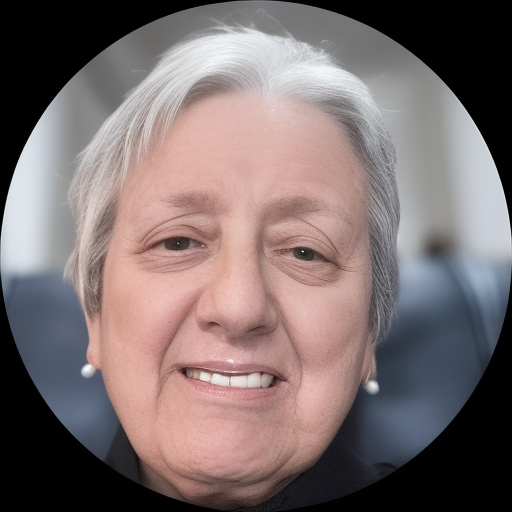
Devona (Dee) Head is a Licensed Mental Health Counselor (LMHC) practicing in Indiana with 30 years of clinical experience. She focuses on anxiety, depression, trauma and abuse, grief, and low self-esteem. Dee also addresses recovery from abusive narcissistic relationships and blended family issues among other concerns.
She keeps sessions straightforward and practical. Conversations focus on what is happening now and what can change next. Dee listens for patterns that keep people stuck and offers concrete skills to try between meetings.
Dee uses a mix of approaches depending on the person and the problem. She draws on client-centered methods to follow a person's priorities. Cognitive Behavioral Therapy helps people spot and test unhelpful thoughts. Mindfulness techniques offer ways to calm the body and steady attention during stress.
Her work often targets relationship patterns that cause pain, including family of origin themes, codependency, and communication problems. She also supports people dealing with caregiver stress, chronic illness, and the emotional aftermath of disasters or domestic violence.
Sessions tend to emphasize clear, doable steps rather than long explanations. Dee invites clients to set goals and checks progress during follow-ups. If someone is weighing stepfamily or blended household challenges, she will talk through practical coping strategies and communication skills to try at home.
Approaches used in remote sessions
Client-Centered Therapy places the person's goals and priorities at the center of sessions. The therapist listens, reflects, and helps the client set practical next steps to test in daily life. Cognitive Behavioral Therapy (CBT) teaches ways to identify and change unhelpful thoughts and behaviors. It is often used for anxiety, depression, and problems with negative thinking.Finding the right approach is part of the work together. The therapist will review needs, goals, and preferences and suggest which methods to try. Decisions about techniques are collaborative, and methods can be adjusted as progress is tracked.
Confirm the therapist's current session formats before booking since the biography does not specify them. Online therapy can make it easier to fit sessions into a busy week, reduce travel time, and allow for shorter check-ins when schedules are tight. It can also let someone choose a setup that minimizes bandwidth or avoids being on camera. Discuss session length and structure during the first meeting so appointments match everyday life and goals.
Areas of expertise
Additional focus areas
Therapeutic approaches
Experience
30+ years
Listed in
Indiana
Languages
English
Frequently asked questions
What concerns does she help with?
She works with anxiety, depression, trauma and abuse, grief, and low self-esteem. Additional focus areas include blended family issues, caregiver stress, codependency, and communication problems.
What is her general approach in sessions?
She uses client-centered listening combined with cognitive behavioral and mindfulness techniques. Sessions focus on practical skills and clear steps to try between meetings.
How much clinical experience does she have?
She has 30 years of professional clinical experience working with a range of concerns including trauma, grief, and relationship issues.
What are her credentials and location?
She is an LMHC licensed in Indiana and practices there.
Which languages are supported and are international clients seen?
Sessions are offered in English. She does not accept international clients at this time.
What session formats are offered?
Confirm current session options before booking, as the biography does not list specific formats. Check the booking flow to see available ways to meet.
How does payment work and what does it cost?
Cost varies with location and sessions use a subscription that can be canceled at any time. Exact pricing is shown during the sign-up process.
How do I begin working with her?
Select the See online therapy options button, complete a short matching questionnaire, and schedule a first session.
Online talk therapy is for adults and is not emergency care, mediation or legal advice. If you or a child are in danger, use the emergency numbers. Find someone else by name.