- Addictions support
- CBT and client-centered
- Blended family issues
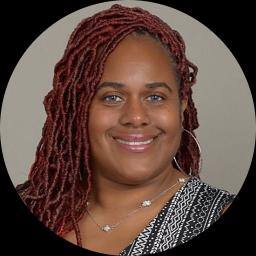
About Deborah
Deborah Davis is an LCMHC (Licensed Clinical Mental Health Counselor) practicing in North Carolina with 16 years of professional experience. She focuses on addictions, trauma and abuse, self-esteem, coping with life changes, and coaching. Deborah also lists blended family issues among her areas of focus, alongside caregiver stress and communication problems.
Her approach centers on clear, practical conversation. She uses Client-Centered Therapy to help people feel heard and to shape goals together. She also draws on Cognitive Behavioral Therapy to identify unhelpful thoughts and try new behaviors between sessions.
Sessions tend to be straightforward and goal-focused. Deborah works with people who want to address process addictions, workplace stress, divorce and separation concerns, fertility-related stress, and feelings of guilt or isolation. She will talk through steps you can try and track progress over time.
Deborah frames each plan around a person’s needs and preferences. She listens for what is most pressing and suggests simple exercises and thinking tools to use between meetings. Over time she helps people notice what changes are working and what needs adjusting.
Practical matters such as scheduling and fees are handled through the platform’s subscription model, which can be canceled at any time. To begin, users complete a short matching questionnaire and schedule a first session to see if the approach fits their situation.
Therapeutic approaches and online care
Client-Centered Therapy focuses on listening and building goals together. The therapist uses attentive listening so a person can say what matters most and decide on workable next steps. Cognitive Behavioral Therapy (CBT) looks at the links between thoughts, feelings, and actions and offers practical exercises to test new ways of responding. CBT can be useful for addictions, low self-esteem, and coping with life changes.Deciding which approach to use is collaborative. The therapist will talk with the client about goals, daily routines, and what has or hasn't helped before. Together they will try methods that fit the client’s preferences and adjust the plan if needed as progress is reviewed.
The biography does not list specific session formats, so confirm current online session options before booking. Online work can make it easier to fit sessions into a busy life, reduce travel time, and allow shorter check-ins when schedules are tight. It also makes it possible to keep continuity with a licensed professional when relocating or managing caregiving and work commitments.
Areas of expertise
Primary focus
Additional focus areas
Therapeutic approaches
Experience
16+ years
Listed in
North Carolina
Languages
English
Frequently asked questions
What kinds of problems does she address?
She focuses on addictions, trauma and abuse, self-esteem, coping with life changes, and coaching, with additional attention to blended family issues and workplace stress.
How would she describe her therapeutic style?
She combines Client-Centered Therapy to listen and set goals together with Cognitive Behavioral Therapy to identify and change unhelpful thoughts and behaviors.
How much experience does she have?
She has 16 years of professional work experience in counseling and related services.
What credential and location are listed?
She is listed as NC LCMHC, practicing in North Carolina.
Are sessions available in other languages or countries?
Sessions are offered in English and she accepts international clients.
Which session formats are offered?
The original biography does not specify session formats; please confirm current session options before booking.
How are fees handled?
Sessions use a subscription model and the subscription can be canceled at any time; fees vary with location.
What are the first steps to start working together?
Select the See online therapy options button, complete a short matching questionnaire, and schedule a first session.
Online talk therapy is for adults and is not emergency care, mediation or legal advice. If you or a child are in danger, use the emergency numbers. Find someone else by name.