- Person-centered approach
- CBT techniques
- DBT informed skills
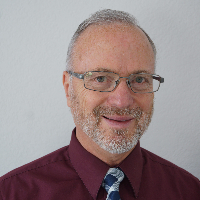
About David
David Martin is a Licensed Clinical Social Worker (LCSW) licensed in Utah and Idaho with 18 years of experience. He has worked in community mental health settings and now practices in a private context. He helps people with stress, anxiety, trauma and abuse, grief, depression, relationship and family concerns, parenting, and related issues.
Martin draws on person-centered methods as a starting point. He blends elements of cognitive behavioral strategies, dialectical behavior techniques, and psychodynamic ideas when they fit the person's needs. Sessions focus on practical steps and clearer thinking rather than jargon or lengthy theory discussions.
He has experience supporting people with substance use histories and mental health needs from community-based practice. That background informs straightforward approaches for coping, mood management, and responding to crisis or loss. He also lists work related to blended family issues and adoption and foster care among his focus areas.
In appointments he leans toward listening first, then helping people identify small changes that make a difference. He describes the work as collaborative - planning goals together and checking progress each step of the way. The emphasis is on usable tools and clearer communication at home and in relationships.
Many clients moved to phone and online sessions after 2020. He reports finding these formats effective for some people, and incorporates brief skills coaching, thought-recording, and emotion regulation practices into sessions when useful.
How his approaches translate to online work
Person-centered therapy focuses on listening and following what the person brings to the session. It helps people clarify goals and feel understood before deciding on next steps. Cognitive Behavioral Therapy (CBT) looks at thoughts, feelings, and actions and uses concrete exercises to change unhelpful patterns. CBT is commonly used for anxiety, depression, and stress-related problems.Finding the right mix of approaches is part of the work. The therapist will collaborate with the client to choose techniques that fit the person's goals, preferences, and everyday demands. That might mean more skills practice one week and more reflection on patterns the next.
The biography indicates experience with phone and online formats since 2020, and he reports these can work well for some people. Confirm which session options are available before booking. Online or phone sessions can make it easier to fit appointments around work, reduce travel time, and allow shorter check-ins when needed. Therapists and licensed professionals adapt exercises like thought records, skills coaching, and behavioral experiments so they can be completed between sessions and reviewed remotely.
Areas of expertise
Also works with
Additional focus areas
Therapeutic approaches
Experience
18+ years
Listed in
Utah, Idaho
Languages
English
Frequently asked questions
What kinds of problems does he address?
He works with stress, anxiety, trauma and abuse, grief, depression, relationship and family concerns, parenting, and related issues listed in his profile.
What is his general approach in sessions?
He starts with a person-centered approach and adds cognitive behavioral and dialectical behavior techniques or psychodynamic ideas as they fit the person's concerns.
How much clinical experience does he have?
He has 18 years of counseling experience, including work in community mental health settings and subsequent private practice.
What are his credentials and where does he practice?
He is an LCSW licensed in Utah and Idaho and is based in Idaho for his practice.
Can I work with him if I live outside the United States?
He accepts international clients; sessions are conducted in English.
What session formats does he offer?
The original biography notes he moved work to online and phone sessions after 2020 and found those effective; confirm current session options before booking.
How are fees handled?
Cost varies with location and sessions use a subscription that can be canceled at any time.
How do I begin a first session?
Use the See online therapy options button, complete a short matching questionnaire, and schedule a first session.
Online talk therapy is for adults and is not emergency care, mediation or legal advice. If you or a child are in danger, use the emergency numbers. Find someone else by name.