- Blended family issues
- CBT and DBT skills
- Grief and trauma
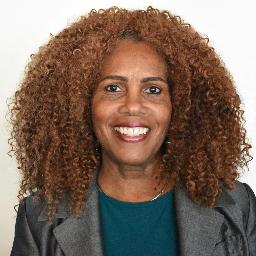
About Cynthia
Cynthia Rumford-Jones is a Licensed Clinical Social Worker (LCSW) in California with 22 years of clinical experience. She works with adults on common struggles such as anxiety, depression, stress, anger, and coping with life changes. Her profile also lists family concerns, relationship problems, parenting and blended family issues among her focus areas.
Cynthia draws on client-centered methods and cognitive behavioral techniques to help people clarify goals and try practical steps. She also uses dialectical behavior therapy skills and mindfulness practices when emotional regulation and distress tolerance are priorities. Sessions aim to be interactive and focused rather than abstract talk.
Her background includes a Master of Social Work from the University of California, Berkeley and decades of work across social work, human services, and clinical settings. That experience includes supporting people through grief, trauma and abuse, eating and food-related struggles, and transitions such as divorce or separation.
In sessions she helps people sort immediate coping strategies, look at thinking patterns that maintain distress, and practice concrete behavior changes. She also addresses family of origin issues, communication problems, and challenges linked to adoption, foster care, or fatherhood concerns when these come up.
Cynthia approaches planning collaboratively. She works with each person to set specific, measurable goals and to track progress. If someone is considering therapy for blended household stress, she focuses on realistic steps for merging routines, handling loyalty conflicts, and improving communication.
How her approaches translate to online work
Client-Centered Therapy helps people shape sessions around their priorities and what matters most to them. It focuses on listening, feedback, and adjusting plans so sessions stay relevant to daily life. Cognitive Behavioral Therapy (CBT) looks at thoughts and behaviors that keep problems going and offers concrete exercises to change them, which can be practiced between sessions. Dialectical Behavior Therapy (DBT) teaches skills for regulating emotions, tolerating distress, and improving interpersonal effectiveness; those skills are often taught in short, actionable steps during meetings.Choosing an approach is a collaborative process. The therapist will work with each person to decide which methods fit their goals and preferences. She will check in and adjust techniques as progress is tracked, so the work stays focused and practical.
Confirm session options before booking to learn which formats are offered. Online work can make it easier to fit appointments into a busy week, reduce travel time, and allow shorter check-ins when needed. It also lets people practice tools in real life between meetings and bring specific day-to-day problems into discussions for immediate feedback.
Areas of expertise
Primary focus
Also works with
Additional focus areas
Therapeutic approaches
Experience
22+ years
Listed in
California
Languages
English
Frequently asked questions
What kinds of concerns does she address?
She works with anxiety, depression, stress, anger, relationship and family problems, eating issues, grief, trauma, and life transitions including divorce and separation.
What is her general therapy style?
Her style is client-centered and practical, using cognitive behavioral strategies, DBT skills, mindfulness, and solution-focused steps to set and reach goals.
How much experience does she have?
She has 22 years of clinical practice as a therapist plus additional years in social work and human services.
What credential does she hold and where is she based?
She is an LCSW licensed in California and practices with that credential in the state.
Which languages are supported in sessions?
Sessions are offered in English.
Can she work with people outside the United States?
She is not currently accepting international clients.
What formats are used for sessions?
Confirm current session options before booking to know which formats are offered for online meetings or phone visits.
How do fees and getting started work?
Cost varies with location and sessions use a subscription that can be canceled at any time. To begin, select the See online therapy options button, complete a short matching questionnaire, and schedule a first session.
Online talk therapy is for adults and is not emergency care, mediation or legal advice. If you or a child are in danger, use the emergency numbers. Find someone else by name.