- Attachment based
- Client centred
- CBT techniques
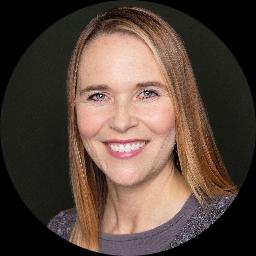
About Celia
Celia Flack is a BACP counsellor practising in the United Kingdom with seven years' experience. She works with people facing stress, anxiety, trauma and abuse, low self-esteem and depression. She also has a particular interest in attachment issues and blended family concerns.
She approaches sessions in a straightforward, person-centred way. Clients talk about the problems they are facing and she listens without judgement. Practical steps and strategies are used alongside discussion to help manage symptoms and day-to-day pressures.
Celia draws on attachment-based ideas to look at how early relationships affect current patterns. Cognitive behavioural techniques are used to spot unhelpful thinking and try small experiments that can change how someone feels. Solution-focused ideas help set clear, short-term goals so progress can be checked week to week.
She also pays attention to how the body holds stress and trauma, and includes somatic-informed observations when helpful. This can be useful for people recovering from traumatic events or complex stress related to illness or caregiving roles.
Her style is practical and collaborative. Sessions aim to be useful for people juggling busy lives and blended household arrangements. Before booking, readers should confirm the current session options to make sure they fit personal circumstances.
How her approaches translate to online work
Attachment-based work focuses on how early relationships shape current patterns. Online conversations can map those patterns and identify recurring themes in relationships that affect blended households and stepfamily roles.Client-centred therapy gives the person time to tell their story while the counsellor reflects back what matters. In an online session this can help someone clarify priorities around co-parenting, boundaries and daily routines.
Cognitive behavioural therapy (CBT) looks at unhelpful thoughts and tests new behaviours. Online sessions can use short practical exercises or homework to try in between appointments, which helps make small, measurable changes at home.
Finding the right mix of approaches is part of the work. The therapist will discuss goals and preferences and agree a plan together. That might mean leaning more on attachment ideas for relationship patterns, or using CBT for anxiety and low mood.
Confirm which session formats are available before booking. Many people find online counselling easier to fit around work, school runs or medical appointments because it reduces travel time. It can also allow for shorter check-ins or focused practical sessions when life is busy, but check the current options to be sure they match your needs.
Areas of expertise
Primary focus
Additional focus areas
Therapeutic approaches
Experience
7+ years
Listed in
United Kingdom
Languages
English
Frequently asked questions
What concerns does she help with?
She works with stress, anxiety, trauma and abuse, self-esteem problems and depression, plus related issues such as attachment difficulties and blended family concerns.
What is her therapeutic style?
Her style is person-centred and practical, combining listening with techniques from CBT, attachment work and solution-focused approaches.
How much experience does she have?
She has seven years' experience working as a counsellor in the United Kingdom.
What are her professional credentials and location?
She is registered with the British Association for Counselling and Psychotherapy (BACP) and practises in the United Kingdom.
Which languages are available for sessions?
Sessions are offered in English.
Can international clients work with her?
She accepts international clients; confirm any time zone arrangements before scheduling.
How does payment and cost work?
Cost varies by location and sessions use a subscription model that can be cancelled at any time.
How do I start a first session?
Select the See online therapy options button, complete a short matching questionnaire, and schedule the first session.
Online talk therapy is for adults and is not emergency care, mediation or legal advice. If you or a child are in danger, use the emergency numbers. Find someone else by name.