- CBT approaches
- Trauma-focused work
- Blended family issues
About Cassandra
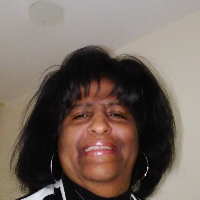
Dr. Cassandra April is a Licensed Clinical Professional Counselor (LCPC) practicing in Illinois with 30 years of experience. She works with adults on family concerns, trauma and abuse, grief, depression, stress, anxiety, and addiction. Her background includes long-term clinical work with diverse people and life challenges.
She keeps sessions straightforward and practical. Conversations focus on what is happening now and what can be tried differently. She uses methods that look at thoughts and behaviors, life history, and patterns between people to find workable changes.
Her approach draws on Cognitive Behavioral Therapy to spot unhelpful thinking and test new behaviors. She also uses psychodynamic ideas to notice repeating relationship patterns that trace back to earlier life experiences. Trauma-focused work is included when the effects of past harm need focused attention.
People contact her for help after major life changes, during complicated family adjustments, or when grief and stress feel overwhelming. She also supports those facing codependency, blended family issues, addiction, and problems with trust and commitment.
Sessions aim to be realistic and concrete. Early meetings often set clear goals and small steps to practice between appointments. Over time, the work combines shorter skill-building with deeper reflection on long-standing patterns.
Dr. April works in English and practices in Illinois as an LCPC. Prospective clients should confirm current session options and scheduling details before booking.
Therapeutic approaches and working online
Dr. April draws on Cognitive Behavioral Therapy and Trauma-Focused Therapy in her work. CBT looks at the link between thoughts, feelings, and behaviors and helps people test small changes to see what works. Trauma-Focused Therapy concentrates on understanding how past harm affects current reactions and builds strategies to reduce those impacts.Finding the right approach is part of the work together. She will discuss options, listen to your goals, and suggest methods that match your needs and preferences. Decisions about technique are collaborative and can shift as progress unfolds.
Confirm which session formats are offered before booking because the biography does not list them. Online work can make it easier to fit therapy into a busy week, reduce travel time, and allow shorter check-ins when needed. Some approaches translate well to remote conversations, while others may need longer sessions or different pacing; these practical details can be arranged when scheduling.
Areas of expertise
Primary focus
Also works with
Additional focus areas
Therapeutic approaches
Experience
30+ years
Listed in
Illinois
Languages
English
Frequently asked questions
What concerns does she address most often?
She focuses on family concerns, trauma and abuse, grief, depression, stress, anxiety, and addiction, plus related issues such as codependency and blended family issues.
How would you describe her therapeutic style?
Her style is practical and direct, combining skill-based work with attention to relationship patterns and life history.
How much clinical experience does she have?
She has 30 years of counseling experience working with people from diverse backgrounds and life situations.
What are her credentials and where does she practice?
She is an LCPC practicing in Illinois.
Does she offer sessions in other languages or internationally?
Sessions are offered in English. She is not accepting international clients at this time.
What session formats are available?
Confirm current session options before booking since the biography does not list specific formats.
How are costs handled for sessions?
Cost varies with location and sessions use a subscription that can be canceled at any time.
What do I do to get started?
Select the See online therapy options button, complete a short matching questionnaire, and schedule a first session.
Online talk therapy is for adults and is not emergency care, mediation or legal advice. If you or a child are in danger, use the emergency numbers. Find someone else by name.