- Blended family issues
- Attachment-based methods
- Cognitive behavioral tools
About Carol
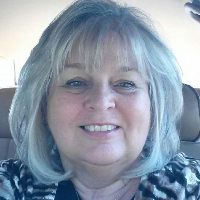
Dr. Carol Parham is a Florida-licensed mental health counselor (LMHC) with 16 years of clinical experience. She works with adults facing stress, anxiety, depression, grief, parenting concerns, and relationship and family issues. She also lists blended family issues among her focus areas.
Her approach is practical and person-focused. She uses methods drawn from attachment-based work, client-centered therapy, cognitive behavioral techniques, and emotionally-focused ideas. Sessions tend to center on clear goals, improving communication, and building everyday coping strategies.
Dr. Parham often helps people process past trauma and abuse so those experiences stop shaping daily decisions. She also supports those dealing with abandonment, attachment struggles, and the emotional effects of adoption or foster care. Aging and life-purpose questions are part of her caseload as well.
In conversations she emphasizes straightforward tools for self-esteem, anger management, and handling impulsivity. She helps people map out small changes that make life easier, such as shifting routines or practicing brief cognitive skills. For relationship concerns she focuses on what an individual can change in their behavior and responses.
Her practice is based in Florida and she conducts work in English. She asks people to use the site flow to select online therapy options, complete a short matching questionnaire, and schedule a first session. Fees vary with location and use a subscription that can be canceled at any time.
How her approaches work in online sessions
Attachment-Based Therapy looks at how early relationships shape current reactions. In practice this means noticing patterns of closeness and distance and trying different responses to reduce tension in relationships. Cognitive Behavioral Therapy (CBT) focuses on the link between thoughts, feelings, and actions; it offers concrete exercises to change unhelpful thinking and reduce anxiety or low mood. Emotionally-Focused Therapy (EFT) helps identify and name emotions and then practice new ways of responding to strong feelings, which can ease relationship stress.Deciding which approach to use is a collaborative process. The therapist will talk with a client about goals, past experiences, and what feels most useful. Together they choose techniques and adjust them as work progresses so sessions reflect the person's needs and preferences.
The practical value of working online is that sessions can fit into a weekday or evening routine more easily and remove travel time. The site flow asks you to select online therapy options and complete a short matching questionnaire before scheduling, so confirm the current session options there. Online work can allow shorter check-ins on busy days, focused skill practice, and steady follow-up between in-person commitments.
Areas of expertise
Also works with
Additional focus areas
Therapeutic approaches
Experience
16+ years
Listed in
Florida
Languages
English
Frequently asked questions
Which everyday concerns does she address?
She works with stress, anxiety, depression, grief, parenting and a range of relationship and family problems, including blended family issues.
What is her therapeutic style?
She combines client-centered listening with attachment-based insight and cognitive behavioral techniques to create practical coping plans.
How much experience does she have?
She has 16 years of experience as a licensed mental health counselor in Florida.
What credential and location are listed?
She is a Florida LMHC and practices from Florida.
Which languages are sessions offered in?
Sessions are offered in English.
Can international clients work with her?
She does not accept international clients at this time.
How are fees handled?
Costs vary with location and use a subscription model that can be canceled at any time.
How do I begin a first session?
Use the See online therapy options button, complete the short matching questionnaire, and then schedule a first session.
Online talk therapy is for adults and is not emergency care, mediation or legal advice. If you or a child are in danger, use the emergency numbers. Find someone else by name.